


The Lake of a Thousand Blues
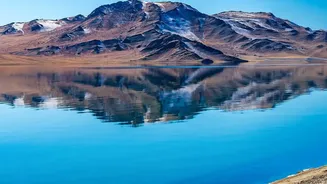
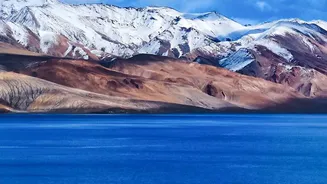
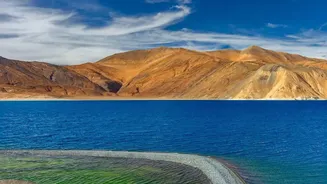
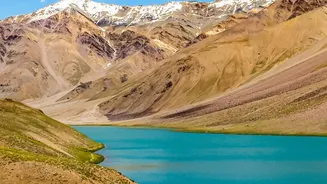
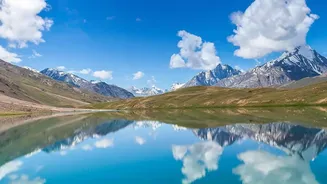
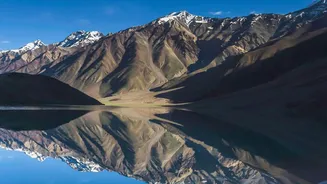
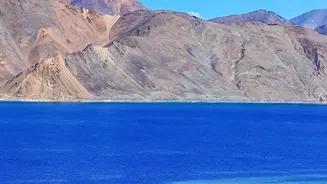
At an altitude of over 14,800 feet, Tso Moriri is the largest high-altitude lake entirely within India. This stunning body of water, stretching nearly 28 kilometres, is famous for its dramatic shifts in colour, from deep sapphire to brilliant turquoise,
depending on the sunlight. Declared a Ramsar site of international importance in 2002, the lake and its surrounding marshes form a vital ecosystem. This designation means that its fragile environment is protected, and activities like camping directly on the shoreline are banned to preserve its pristine condition and protect wildlife.
Planning Your Journey
The best time to visit Tso Moriri is during the summer months, from mid-May to September. During this period, the weather is most pleasant, with average daytime temperatures comfortable for sightseeing. The roads are clear of snow, and all accommodation options are open for business. From October onwards, temperatures drop sharply, and the lake begins to freeze over. While the Leh-Tso Moriri route via Chumathang remains open year-round, travel in winter is harsh, with extreme cold and limited facilities available.
The High Road to Tso Moriri
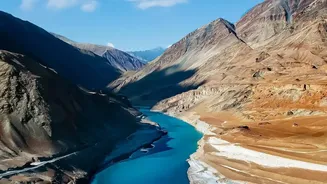
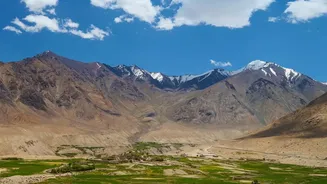
The journey from Leh to Tso Moriri covers about 220-250 kilometres and typically takes 6 to 8 hours. The most common route passes through Chumathang, known for its hot springs, along the Indus River before ascending into the Changthang plateau. Acclimatisation is crucial. Due to the extreme altitude, it is strongly recommended to spend at least two or three nights in Leh before attempting the trip to prevent Acute Mountain Sickness (AMS). The drive itself is a spectacular adventure through stark, beautiful landscapes, but the remote and rugged terrain means you should fill up your fuel tank in Leh and consider carrying extra.
Permits and Paperwork
Due to its proximity to the Line of Actual Control, all visitors require a permit to visit Tso Moriri. For Indian citizens, this involves obtaining an Inner Line Permit (ILP), which can be done online. Foreign nationals require a Protected Area Permit (PAP), which is typically arranged through a registered travel agent in Leh. The process is straightforward, but it's essential to have copies of your permit and a valid photo ID to show at checkpoints along the way.
Where to Stay: Korzok Village
All accommodation for Tso Moriri is located in the small, high-altitude village of Korzok, situated on the lake's northwestern shore. Options range from basic but warm family-run homestays to seasonal tented camps offering more comfort. There are no luxury hotels, and facilities are simple; electricity is often solar-powered and available for limited hours, and there are no ATMs. Staying in Korzok offers a unique chance to experience the life of the Changpa nomads and the local Ladakhi culture.
Beyond the Blue Waters
The area around Tso Moriri is a haven for wildlife and nature lovers. The wetlands are a critical breeding ground for rare birds, including the endangered black-necked crane and the bar-headed goose. Keep an eye out for Himalayan marmots sunning themselves on rocks and the kiang, or Tibetan wild ass, often seen grazing in the plains. A visit to the ancient Korzok Monastery, perched on a hill overlooking the lake, provides stunning views and a glimpse into the region's spiritual heritage.