




A Symphony on a Tawa
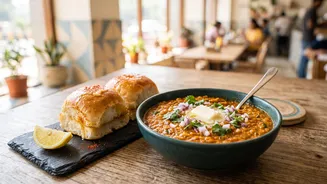
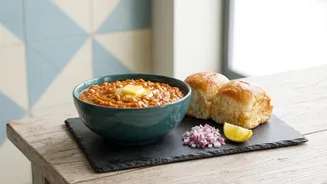
To understand Mumbai's soul, one must first understand its street food, and at the heart of that culinary universe is Pav Bhaji. Picture a massive, flat iron griddle, or tawa, shimmering with heat. A generous dollop of butter sizzles and melts, followed
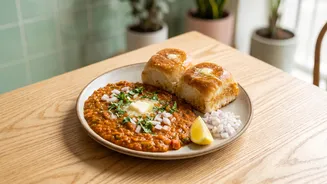
by a colourful medley of vegetables. Potatoes, tomatoes, peas, capsicum, and onions are mashed together with relentless energy, transformed into a vibrant, scarlet-hued curry known as the bhaji. The air fills with the fragrant steam of a secret spice blend—the pav bhaji masala. Alongside this glorious mash, soft bread rolls, the pav, are sliced and toasted on the same tawa, soaking up the spiced butter. Served with a wedge of lime, a sprinkle of fresh coriander, and finely chopped raw onions, it's a dish that engages all the senses. It’s not just food; it’s a performance.
Born from Industry and Urgency
Pav Bhaji wasn't born in a gourmet kitchen; it was forged in the crucible of 19th-century Bombay's industrial boom. During the 1850s and 1860s, the city's textile mills were running at full capacity, powered by workers labouring through long, strenuous shifts. These workers needed a meal that was quick, affordable, and nutritious enough to fuel them for the rest of their day. They had short lunch breaks, making a traditional, elaborate meal impractical. Enterprising street vendors rose to the challenge. They created a dish that was both fast to make and easy to eat, often standing up. By mashing leftover vegetables from the day and serving them with a bread roll, they invented what would become Mumbai’s original fast food. It was a meal designed for a city on the move, a city that never sleeps and certainly doesn't wait to eat.
The Anatomy of an Icon
The genius of Pav Bhaji lies in its two humble components. The 'pav' is a direct link to Mumbai's colonial past. The word is derived from 'pão', the Portuguese term for bread, introduced to India’s west coast centuries ago. These soft, slightly sweet rolls proved to be the perfect vehicle for the main event: the 'bhaji'. Bhaji, a Marathi word for a vegetable dish, is where the magic truly happens. It takes simple, everyday vegetables and elevates them into something extraordinary. A well-made bhaji is a masterclass in flavour balancing. The richness of the potatoes, the tang of the tomatoes, and the subtle sweetness of peas are all unified by a complex and aromatic masala. This transformation of basic produce into a celebrated delicacy is the cornerstone of Indian street food, and Pav Bhaji is its most famous ambassador.
More Than a Meal, It's Mumbai's Spirit
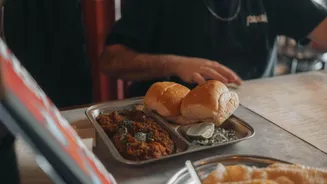
Pav Bhaji is a dish that mirrors the character of Mumbai itself. It's fast, served in minutes to hungry patrons. It's democratic, enjoyed by everyone from business tycoons in their cars to students on a budget. It's innovative, a culinary solution born out of necessity. And most importantly, it’s a great equaliser. At a pav bhaji stall, social strata melt away, united by the shared experience of savouring a plate of buttery, spicy goodness. The dish embodies the city's 'jugaad' spirit—the art of making a lot out of a little. By turning simple vegetables into a dish celebrated across the country, Pav Bhaji tells the story of a city that is resilient, creative, and always full of flavour.
From Mill Yards to the Mainstream
What started as a quick lunch for mill workers soon transcended its humble origins. From the bustling mill districts, Pav Bhaji migrated to the city's famous beaches, like Chowpatty, where it became a popular evening snack. Soon, dedicated restaurants, some now legendary, opened their doors, perfecting the recipe and serving it to a wider audience. Over the decades, its popularity has exploded beyond Mumbai's borders. Today, you can find Pav Bhaji in every corner of India and in Indian restaurants across the globe. It has evolved, with modern variations including cheese, paneer, and even mushroom pav bhaji. Yet, the classic recipe remains the undisputed king, a testament to its timeless appeal.