


The Prime Blooming Season
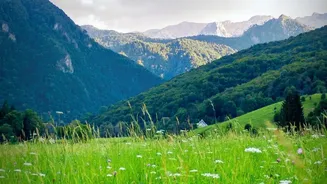
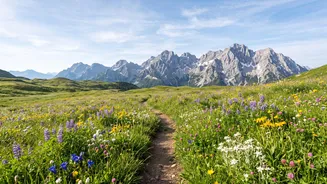
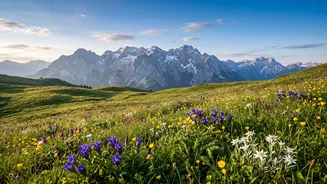
Timing is everything when it comes to wildflower viewing. In the Austrian Alps, the spectacle begins as the snow melts in late spring and crescendos into a magnificent display throughout the summer. The peak season is generally from late June to early
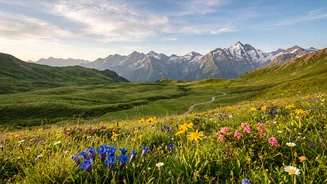
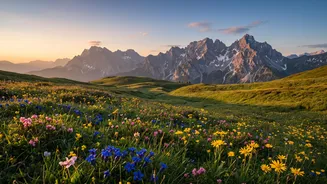
August. During this window, you will find meadows painted with a diverse palette, from the iconic, protected Edelweiss to brilliant blue gentians and seas of pink alpine roses. Different flowers have their own schedule; crocuses may appear as early as April or May in some areas, while the famous Edelweiss reveals itself between July and September on high, rocky limestone slopes. Lower altitudes will see blooms earlier, while higher-elevation trails reach their floral peak later in the summer. Planning your visit within this period gives you the best chance of witnessing the full, vibrant glory of Austria's mountain flora.
Tyrol: The Heart of the Alps
The region of Tyrol is synonymous with quintessential alpine scenery, and its flower meadows are legendary. Areas like the Zillertal and Stubai Valleys offer numerous well-marked trails for all abilities. A popular route for flower lovers is the Alpine Rose Trail near St. Anton am Arlberg, which becomes a sea of pink blooms in June and July. For a more concentrated experience, the Alpine Flower Garden on the Kitzbüheler Horn showcases over 400 species of alpine plants in a stunning mountain setting. The famous Edelweiss, though rare, can be found at altitudes above 1,500 metres. Many trails, such as those around the Arlberg, feature an incredible diversity, including about 25 types of orchids, fire lilies, and bellflowers, making Tyrol an essential destination for any mountain botanist.
Hohe Tauern National Park: Wild and Majestic
As Austria’s largest national park, Hohe Tauern is a sanctuary for some of the country's most diverse and protected plant life. The meadows here are among the most species-rich in all the Alps. The Grossglockner High Alpine Road itself is lined with steep pastures bursting with colour. For hikers, the Oberseite Alpine Flower Trail in St. Jakob provides a fantastic, focused journey into the world of high-altitude plants. This circular route of about 6 kilometres offers educational insights into the flora. The park is home to a third of all plant species found in Austria, including protected varieties like arnica and, of course, the elusive Edelweiss. Hiking here offers a sense of true wilderness, with the reward of seeing delicate flowers thriving in a rugged, majestic landscape.
Vorarlberg: UNESCO Biosphere Reserve
In Austria's westernmost state, the Grosses Walsertal Biosphere Reserve is a model of sustainable harmony between people and nature. This UNESCO-protected area is renowned for having some of the most colourful and species-rich flower meadows in the country, thanks to traditional farming practices. A highlight is the Flower Hiking Trail in Faschina, located between the middle and top stations of the Stafelalpbahn cable car. This trail introduces visitors to over 150 different plant species, with information boards that are updated according to what is currently in bloom. The area is particularly known for its variety of orchids, which thrive in the Gadental nature reserve. Hiking here is not just a visual treat; it's an education in biodiversity and conservation.
Salzkammergut: Lakes and Flowers
The Salzkammergut region, famous for its crystal-clear lakes and charming towns like Hallstatt, also boasts wonderful flower hikes. The trails here often combine stunning water views with rich alpine meadows. On the Postalm, one of Austria's largest high plateaus, the Almblumenweg (Alpine Flower Way) is an easy circular trail perfect for families. Display boards along the path help identify the local flora, with the best viewing time from mid-June to late August. Near Lake Wolfgang, trails around the Bürglstein and up the Zwölferhorn mountain offer both panoramic views and beautiful floral displays. The Gosau Lake Loop is another easy walk that provides spectacular vistas of snow-capped mountains reflected in the water, framed by colourful meadows. This region proves that you don't always need a strenuous climb to find botanical beauty.