







What Is a K-Shaped Outlook?
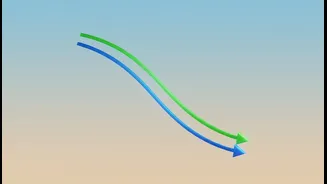
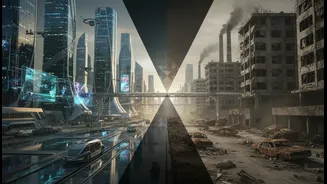
Imagine the letter 'K'. One arm slopes upward, and the other trends down. This is the image economists now use to describe an economy that is simultaneously expanding and contracting. Unlike a V-shaped recovery (a sharp rebound) or a U-shaped one (a slow,
broad recovery), a K-shaped path means that some parts of the economy are doing exceptionally well while others are falling further behind. This isn't just an uneven recovery; it's a structural split. Moody’s latest analysis suggests this divergence is the new normal, creating clear winners and laggards across the globe. The headline numbers for GDP or market performance might look healthy, but they mask deep inequalities bubbling just beneath the surface.
The Winners: Riding the Upward Curve
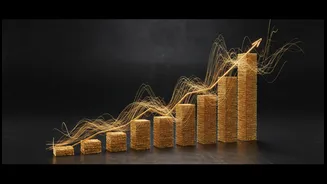
The primary engine for the upward arm of the 'K' is the artificial intelligence (AI) boom. Moody's reports that the booming demand for AI has effectively saved the global economy from a much sharper slowdown. The winners are the countries and companies deeply integrated into this tech revolution. This includes industries focused on data centres, semiconductors, and advanced computing capacity. Geographically, Asia's tech-heavy economies have seen their exports and production supported by this wave. At a household level, the benefits are flowing to high-income earners and those who own assets like stocks. As tech stocks have soared and asset values have increased, this segment has seen its wealth grow, allowing them to continue spending on premium goods and services.
The Laggards: Facing a Downward Slope
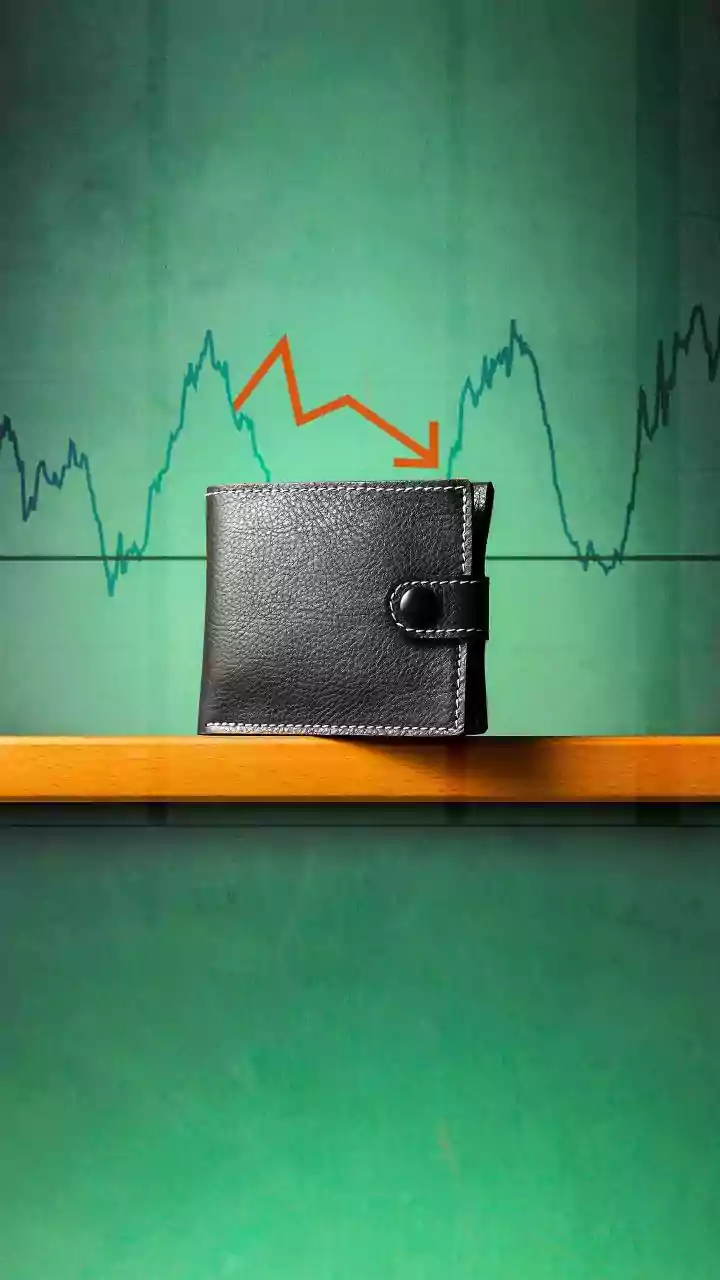
On the other side of the divide are the economies and industries less connected to the AI boom. These sectors are not only missing out on the tech-driven growth but are also being hit by other global pressures. Moody’s points to geopolitical instability, particularly conflicts in the Middle East, and trade disruptions as factors driving up costs and hurting business. This lower arm of the 'K' includes sectors dependent on physical presence or those serving price-sensitive consumers. It also includes lower-income households who face a double blow: their wages are not keeping pace with inflation, and the rising cost of essentials like food and fuel is eroding their purchasing power. This creates a fragile base where a large portion of the population feels the economic strain even when headline figures look positive.
Where Does India Stand?
For India, the Moody's outlook is a story of relative strength amid global headwinds. The analysis projects that India will remain the world's fastest-growing major economy in 2026, outpacing China, the US, and the Eurozone. This resilience is largely attributed to robust domestic consumption. However, India is not entirely immune to the global slowdown. Moody's notes that the country will likely "lose a step" as weaker external demand creates challenges. The biggest risk for India in this K-shaped world is its vulnerability to geopolitical shocks. As a major importer of crude oil, any conflict that disrupts supply chains, like an escalation in the Middle East, could lead to a spike in oil prices, fuelling inflation and putting pressure on both household budgets and company profits.
Why This Divergence Matters
A K-shaped economy is more than just a statistical observation; it has profound consequences. When growth is concentrated in a few sectors and benefits a smaller segment of the population, it widens economic inequality. This can lead to social friction and political instability. Furthermore, an economy that relies heavily on its wealthiest consumers for growth becomes more fragile. If the upper arm of the 'K' were to falter, there is a much smaller base of broad consumer demand to support the economy. Moody’s warns that while the AI boom is currently providing a cushion, risks like stretched asset valuations and financial market volatility could easily flip the outlook from slow growth to a full-blown recession.