



The Scale of a Megacity
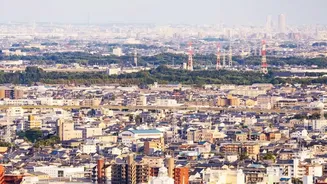
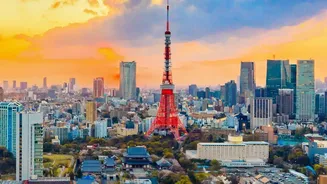
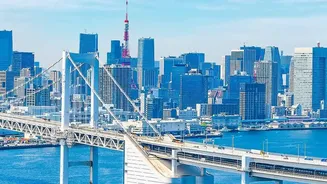
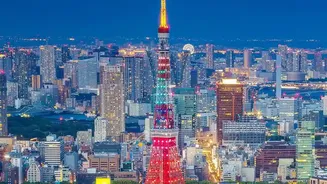
The Greater Tokyo Area is the most populous metropolitan region in the world, home to over 37 million people. This single area houses a staggering concentration of Japan's vital functions. It's not just the political capital; it is the undisputed center
of finance, media, industry, and higher education. This extreme focus has long been a driver of efficiency and economic growth. However, this has created a precarious imbalance, hollowing out regional towns and leaving them with declining populations and economies. As young people move to the capital for education and jobs, many rural municipalities face the threat of disappearing altogether.
A Concentration of Risks
The Japanese government’s concern stems from a convergence of serious threats. The most immediate is seismic. Experts estimate a 70% probability of a major earthquake striking Tokyo within the next 30 years. Such an event could paralyze the nation's government and economy in an instant, creating a massive single point of failure. Beyond natural disasters, the concentration exacerbates Japan’s demographic crisis. Tokyo itself has the lowest fertility rate in the country, and the constant drain of young people from rural areas accelerates the aging of the nation as a whole. This demographic shift threatens the long-term viability of public services and social structures outside the capital, turning a local issue into a national one.
A Strategy of Incentives
In response, the government has launched the "Regional Revitalization" program, a strategy that essentially pays people to leave Tokyo. The financial incentives are significant and aimed squarely at families. Under the current plan, a family can receive a base grant for relocating, plus an additional one million yen (approximately $6,000-$7,000 USD) per child. For a family with two children, this can amount to a direct cash payment of around $20,000 USD. To qualify, residents must move to a designated rural area, work locally, continue their job remotely, or start a new business. They also must commit to living in their new location for at least five years. Many local municipalities offer their own additional perks, such as housing subsidies or grants for renovating abandoned homes, known as 'akiya'.
Will This Attempt Succeed?
This is not Japan's first attempt to deconcentrate its capital. Previous plans dating back decades have had limited success, often failing to reverse the powerful economic and cultural pull of Tokyo. Skeptics point out that while the financial incentives are attractive, they may not be enough to overcome the career and lifestyle advantages that the city offers. However, this new push, updated and expanded in recent years, has a few things going for it. The government's goal is to move 10,000 people out of Tokyo annually by 2027. The rise of remote work has made living outside a major corporate hub more viable than ever before. Furthermore, the tangible risks, from seismic threats to the hollowing out of the nation, are becoming too big to ignore, lending a new urgency to the policy.