






A Search for Authentic Flavours
For a generation that grew up with international food courts, the appeal of hyper-local dishes offers a refreshing dose of reality. There's a growing desire for authenticity, a taste that tells a story of a specific place and its history. This isn't just
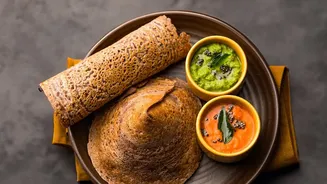
about eating; it's about experiencing something real. Young professionals and students are increasingly seeking out food that connects them to their roots, a trend reflected in the rising popularity of regional and traditional recipes. This movement is a conscious choice to embrace culinary heritage, moving beyond familiar approximations like butter chicken to explore the nuanced specialities of different states. The motivation is clear: a craving for comfort and genuine flavours that global chains cannot replicate.
The Social Media Effect
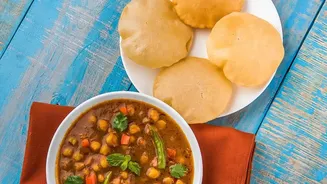
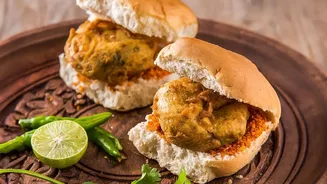
Social media platforms have become powerful engines for this culinary renaissance. Food influencers and vloggers traveling across the country are turning humble street food vendors into viral sensations. Visually rich platforms like Instagram are perfect for showcasing the vibrant colours and textures of Indian street food, from the fiery red of a curry to the glistening sweet of a jalebi. Hashtags like #IndianFoodLovers and #DesiFood create a digital tapestry of shared experiences, making local dishes accessible and trendy for a global audience. Food bloggers passionately document everything from Mumbai's vada pav to Kolkata's kathi rolls, transforming a simple meal into compelling content and driving footfall to previously unknown stalls.
A Taste of Nostalgia and Pride
For many young Indians, especially those living away from home, traditional food is an emotional link to family and childhood. The taste of a dish prepared the way their grandmother made it offers a profound sense of comfort and belonging. This 'nostalgia marketing' is fueling a return to vintage recipes and so-called 'lost' dishes that are now reappearing on menus in major cities. There's a newfound pride in learning about and consuming dishes that are deeply embedded in regional culture. Cooking and eating traditional food has become a way to preserve culinary traditions and reinforce cultural identity in a rapidly modernising world.
Exploring India's Culinary Capitals
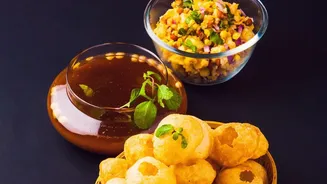
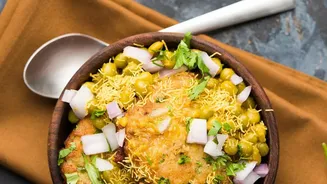
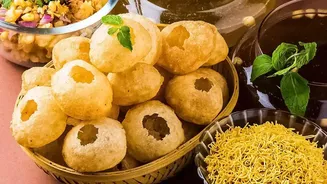
This trend is most visible in India's legendary street food cities. In Delhi, young people flock to the bustling lanes of Chandni Chowk to sample everything from spicy chaat and parathas to kebabs that have been perfected over generations. Mumbai offers a carnival of flavours at places like Juhu Beach, where pav bhaji and bhel puri are staples. Kolkata's streets are famous for phuchka and kathi rolls, while Lucknow draws crowds with its rich Nawabi and Awadhi cuisines, particularly its succulent kebabs and biryanis. Even smaller cities like Indore, with its famous night food market Sarafa Bazaar, are becoming must-visit destinations for food lovers seeking unique local specialities.
Health, Wellness, and Economic Sense
Beyond culture and taste, practical considerations are also at play. A growing awareness around health and wellness is prompting a shift away from processed foods. Many are turning to traditional home-style cooking and street food that uses fresh, local ingredients. This movement aligns with a desire for 'clean eating' and gut-friendly meals inspired by principles like Ayurveda. Furthermore, in an era of rising costs, street food remains an affordable and convenient option for a delicious meal, appealing to students and young professionals who want great flavour without a hefty price tag.