






The First Responders: Cleaning Crews
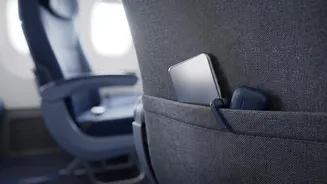
The journey of your lost item begins the moment the last passenger steps off the plane. Within a tight turnaround window, cleaning crews sweep through the cabin, checking seat pockets, overhead bins, and the floor for anything left behind. Anything they
find, from a stray earbud to a laptop, is typically handed over to the airline's ground staff or cabin crew supervisor. These employees are the first link in the lost-and-found chain. Valuables like phones, wallets, and passports are generally handled with more care due to their identifiable nature and importance.
The Great Sort: Airline or Airport?
Once collected, the item is logged and begins its administrative journey. This is where things can get complicated for the owner. Depending on the location and the airline's specific agreements, your item could end up in one of two places: the airline’s own lost property office, or the airport’s central lost-and-found department. There isn't a universal rule, so if you're trying to track something down, you may need to check with both entities. If the plane has a quick turnaround for another flight, your item might even travel to the next destination before being logged, adding another layer to the search.
The Passenger's Role: Act Fast and Be Specific
Time is of the essence. The single most important factor in retrieving a lost item is reporting it as quickly as possible. If you're still at the airport, immediately return to the gate or go to the airline’s customer service desk. If you've already left, the best course of action is to find the lost-and-found form on the airline's website. When filing a report, detail is your best friend. Don't just say 'black coat'. Instead, say 'black men's wool coat, size large, brand XYZ, with a set of keys in the right pocket'. Providing your flight number, seat number, and any unique identifiers like serial numbers or distinctive marks dramatically increases the chances of a successful match.
The Waiting Game: How Long Are Items Kept?
Once an item is logged, the clock starts ticking. Airlines and airports will hold onto found items for a set period, but this window varies significantly. Most will keep general items for around 30 to 90 days. Valuables may be held for longer, while perishable items are disposed of very quickly. Government-issued documents like passports are often handed over to the police or the relevant issuing authority. It’s crucial to ask about the holding period when you file your report so you know your deadline. After this period, the item is considered officially unclaimed.
The Final Frontier: Unclaimed Treasures
So, what happens to the thousands of items that are never reunited with their owners? They don't just disappear. After the holding period expires, airlines sell unclaimed luggage and items in bulk to thirdparty companies. The most famous of these is Unclaimed Baggage in Scottsboro, Alabama, a massive retail store that has become a tourist attraction, selling everything from clothes and electronics to more bizarre finds like Egyptian artifacts. Other items are sold at auction, either online or at auction houses, giving the public a chance to bid on suitcases sightunseen or purchase individual unclaimed goods. A portion of items may also be donated to charity.