



Your First Line of Defence: Airtight Storage
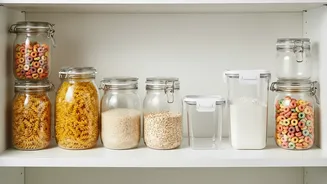
The single most effective step to a pest-free pantry is to abandon the original paper, cardboard, and thin plastic packaging your groceries come in. Pests like flour beetles and Indian meal moths can easily chew through or find their way into these flimsy
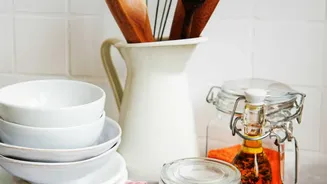
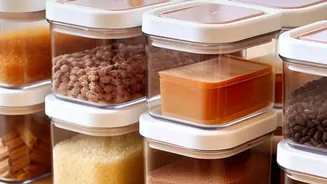
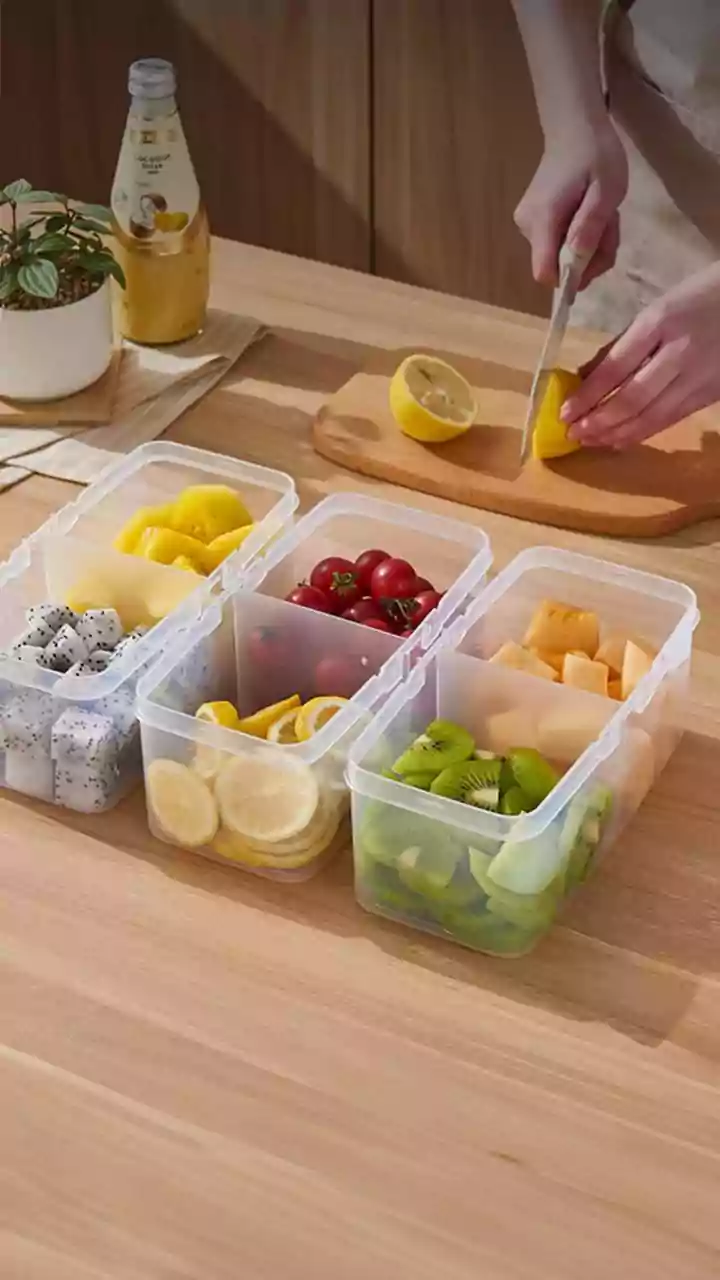
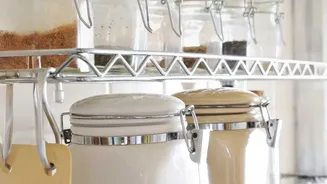
materials. Instead, transfer dry goods like flour, suji (semolina), rice, dals, spices, and cereals into airtight containers immediately after purchase. Look for containers made of glass or heavy-duty, food-safe plastic with silicone or rubber gaskets that create a true seal. This not only creates an impenetrable barrier against pests but also helps maintain the freshness of your ingredients by locking out air and moisture. While it requires an initial investment, this step is fundamental to protecting your food and preventing infestations before they start.
Eliminate Moisture, Eliminate Pests
Pests are naturally drawn to warmth and humidity, conditions that can be common in Indian kitchens. Moisture makes food spoil faster and creates an ideal breeding ground for many insects. Ensure your pantry shelves are completely dry before you store anything on them. Wipe up any spills, whether from a leaky bottle of oil or a splash of water, immediately. If you live in a particularly humid climate, ensure your pantry has good air circulation. You can even use moisture-absorbing silica gel packs in the corners of your cupboards, away from direct contact with food, to help maintain a dry environment. A dry pantry is an inhospitable one for pests.
The Importance of a Crumb-Free Zone
Regular cleaning is non-negotiable for pest prevention. Crumbs and food spills are an open invitation for pests, providing them with a readily available food source. Make it a habit to wipe down your pantry shelves weekly to remove any stray grains of sugar, flour dust, or crumbs. At least once a month, perform a deep clean. This involves taking everything out, vacuuming the corners and crevices to remove hidden debris and potential eggs, and washing the shelves with soap and water. Don't forget to wipe down the outside of your storage containers, which can get sticky or dusty over time. A clean pantry leaves nothing for pests to eat, encouraging them to look elsewhere.
Inspect Before You Stock
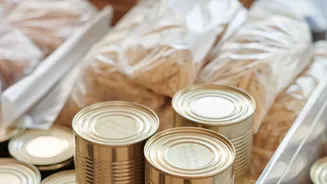
Often, pantry pests don't invade from the outside; they are brought into your home from the store. Infestations can happen at the processing plant, during transportation, or at the grocery store itself. Get into the habit of inspecting packages before you buy them. Avoid any boxes or bags with rips, small holes, or visible webbing. When you bring groceries home, give them another quick check before putting them away. For extra security with items like flour or grains, you can freeze them for four to seven days after purchase to kill any potential eggs or larvae before transferring them to your airtight containers.
Manage Your Stock: First In, First Out
Forgotten packets languishing at the back of a cupboard are a common source of infestations. The longer an item sits, the more vulnerable it becomes. Adopt a 'First In, First Out' (FIFO) system. When you buy a new packet of an ingredient, place it behind the one you are currently using. This ensures you are always using up your older stock first. Regularly go through your pantry and discard any items that are well past their expiration date. Try to buy in quantities that you know you will use within a reasonable timeframe to avoid long-term storage, which increases the risk of pests.