






Breaking Down the Boom
The numbers are in, and they paint a picture of incredible success. In the first seven months of 2026, Kien Giang province, for which Phu Quoc is the main economic engine, recorded total tourism revenue of approximately 36.45 trillion VND, or about $1.38
billion. This figure represents a massive leap, demonstrating one of the strongest tourism growth rates in the country. The island welcomed more than 6.8 million visitors in that same period, a year-on-year increase of over 30%. These results put the region well on track to smash its annual targets, showcasing a powerful recovery and expansion phase that is capturing global attention. This performance is even more notable when compared to other famous resort destinations, some of which have seen slowing growth in the same period.
The International Wave
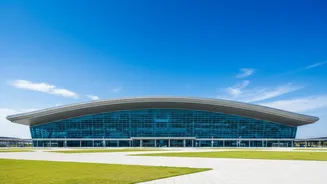
The key driver behind this financial success is a surge in international tourists. While domestic tourism remains important, foreign visitors have arrived in record numbers. In the first seven months of the year, Phu Quoc welcomed over 1.5 million international visitors, a stunning increase of more than 53% compared to the previous year. This influx is credited to a combination of strategic decisions and growing global appeal. A liberal 30-day visa exemption policy for all nationalities has made access easier than ever, a unique offering within Vietnam. Furthermore, expanded direct flight routes now connect the island with key markets like South Korea, Taiwan, India, and Malaysia, diversifying the island’s visitor base beyond its traditional sources.
More Than Just Sun and Sand
Phu Quoc’s appeal has evolved far beyond its pristine beaches like Bai Kem and Bai Sao. Major investments from large corporations have transformed the island into a world-class entertainment and leisure hub. Visitors are now drawn to luxury resorts, vibrant entertainment complexes, casinos, and theme parks. This development of high-end infrastructure and diverse attractions encourages longer stays and higher spending per visitor, which directly contributes to the ballooning revenue figures. The island is successfully positioning itself not just as a beach getaway, but as a comprehensive destination offering a wide range of experiences, from nature-based tourism in its national parks to high-energy entertainment.
The Challenges of Rapid Growth
This explosive growth is not without its challenges. The rapid pace of development has raised serious concerns about long-term sustainability. Environmental experts and local observers have pointed to growing problems with waste management, freshwater supply, and the strain on existing infrastructure. There is a recognized risk that if development is not managed carefully, the very natural beauty that attracts tourists could be compromised. This pattern, where a destination's popularity threatens to cause its own decline, is a well-documented phenomenon that local authorities are now grappling with. Striking a balance between economic ambition and environmental preservation is the critical task facing Phu Quoc's leadership.
A Sustainable Path Forward
Aware of these growing pains, stakeholders are shifting their focus toward a more sustainable model. The emphasis is moving toward attracting high-spending tourists and promoting eco-tourism initiatives that preserve the island's unique ecosystems, including its status as a UNESCO Biosphere Reserve. Local authorities are reportedly developing new environmental regulations and calling for investments in smart urban management solutions to mitigate the negative impacts of rapid growth. The future success of Phu Quoc will depend on its ability to manage its resources wisely, ensuring that the 'Pearl Island' remains a beautiful and desirable destination for generations to come, solidifying its place on the world tourism map.