




The Core of the 'Future Package'
Porsche, its general works council, and the IG Metall trade union have negotiated a comprehensive agreement dubbed the "Future Package." The central pillar of this deal is a bold trade-off: in exchange for measures that will reduce overall personnel spending,
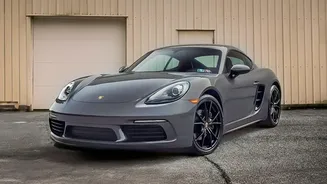
the company has extended employment and site protection for its core workforce until the end of 2035, explicitly ruling out compulsory layoffs during this period. This provides over a decade of job security for workers at its key German sites in Zuffenhausen and Weissach, a significant commitment in the volatile automotive industry. The agreement is a foundational piece of the company's long-term "Sportwagenschmiede 35" strategy, designed to ensure stability and competitiveness as it navigates a challenging market.
Cutting Costs Without Forced Redundancies
The headline promise of no forced layoffs is achieved through a multi-pronged approach aimed at a "socially responsible" reduction of the workforce by about 5,000 positions by 2035. The primary method will be natural attrition, meaning the company simply won't fill many positions when employees retire or leave voluntarily. This will be supplemented by an expanded partial-retirement program and voluntary severance packages to encourage employees to leave ahead of schedule. Beyond headcount, employees are also contributing directly. The deal includes deferring a portion of future pay increases, with management and senior executives also waiving some remuneration increases. Additionally, Christmas bonuses will be reduced, and the voluntary special payment will be more closely tied to the company's profitability.
Funding the Electric and Digital Future
This long-term cost control isn't just about weathering a storm; it's about funding a transformation. Porsche has committed to investing a cumulative €2.1 billion into its Zuffenhausen and Weissach sites by 2035 as part of the deal. This investment is crucial for financing the company's strategic realignment towards electric vehicles (EVs) and digitalization. The automotive industry is facing immense pressure from slowing EV demand, a sales slump in the critical Chinese market, and intense competition from new players. By securing predictable labor costs and avoiding disruptive disputes, Porsche gains the financial flexibility needed to invest in new technologies and retool its factories, ensuring that its iconic two-door sports cars continue to be developed and built in Germany for the long term.
A Pact for Stability in Uncertain Times
For Porsche's management, the Future Package provides a clear path to improve productivity and flexibility while managing expenses. For the workforce, it delivers an almost unprecedented level of job security. Ibrahim Aslan, Chairman of the General Works Council, noted that reaching an agreement extending to 2035 was a significant achievement that secures employment for another five years beyond previous pacts. The deal also includes sweeteners for union members, such as transformation bonuses and extra days off, acknowledging the employees' contribution to the company's future. This collaborative approach is seen as a blueprint for navigating industrial change, balancing corporate needs for efficiency with the workforce's desire for security.