





The Soul of the Celebration
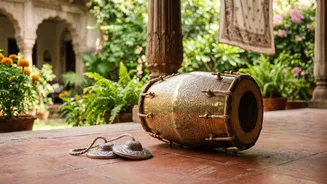
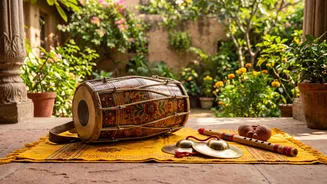
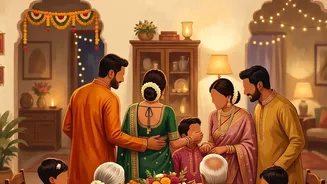
For centuries, the pre-wedding 'Sangeet' ceremony was an intimate affair, often reserved for women. Family and friends would gather, not with a playlist, but with a shared history of songs passed down through generations. Accompanied by the simple, powerful
beat of a dholak, they would sing 'geets' or folk songs that wove a rich tapestry of emotion. These weren't just melodies; they were stories. Songs like the 'Banna Banni' of North India teased the groom (banna) and bride (banni), offering advice and jokes about the life to come. The lyrics could be hilarious, playfully poking fun at in-laws in a way that would be unacceptable outside the context of the song, providing a unique outlet for expression. This tradition created an atmosphere of pure joy, intimacy, and connection that defined the celebration.
More Than Just Music
These wedding songs were the cultural glue that bound families and communities. The act of singing together was a ritual of solidarity, breaking down formal barriers and strengthening social bonds. For the women of the family, it was a space to share wisdom and collectively guide the bride through her immense emotional transition. The songs gave voice to the bride's own unspoken fears and hopes as she prepared to leave her home. This oral tradition was also a powerful way of preserving heritage, passing down local customs, values, and even history from one generation to the next. In many regions, these songs were the primary way women participated in and sustained their cultural identity, creating a musical archive of their lived experiences.
The Rise of the Playlist
Today, that spontaneous, collective singing is becoming a rarity. The 'Sangeet' has evolved from an intimate gathering into a grand, high-energy event, often resembling a professional stage show. Elaborate decorations, choreographed dance routines, and powerful DJ sets have become the norm, influenced heavily by depictions of weddings in Bollywood films. This shift towards hyper-modernization and a desire for a polished, 'perfect' event has left little room for the raw, unscripted beauty of traditional folk singing. As families become more nuclear and individualistic, the direct line of oral transmission from grandmother to granddaughter has weakened. Many younger women simply don't know the old songs, and the professional singers, or 'Mirasens', who once carried these traditions, are a dwindling community.
What We Lose When the Music Stops
When a DJ's playlist replaces the family chorus, more than just music is lost. We lose a unique form of female bonding and expression. We lose a direct, emotional link to our ancestors and regional heritage. The focus shifts from participation to performance, from collective joy to curated entertainment. While modern Sangeet nights are full of energy and fun, they often lack the deep-seated cultural and emotional resonance of the older traditions. The songs that once provided a safe space for a bride to process her feelings and for a family to offer blessings are being replaced by chart-topping hits that, while enjoyable, don't carry the same personal or communal weight. The very artists who are the custodians of these folk traditions are struggling to survive as demand for their skills plummet.