




The Invisible Guest in Your Kitchen
For generations, the fight for cleaner air in Indian kitchens was focused on moving away from traditional biomass fuels like wood and dung. The widespread adoption of LPG gas stoves was a massive leap forward for health, drastically cutting down on smoke
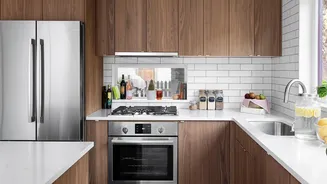
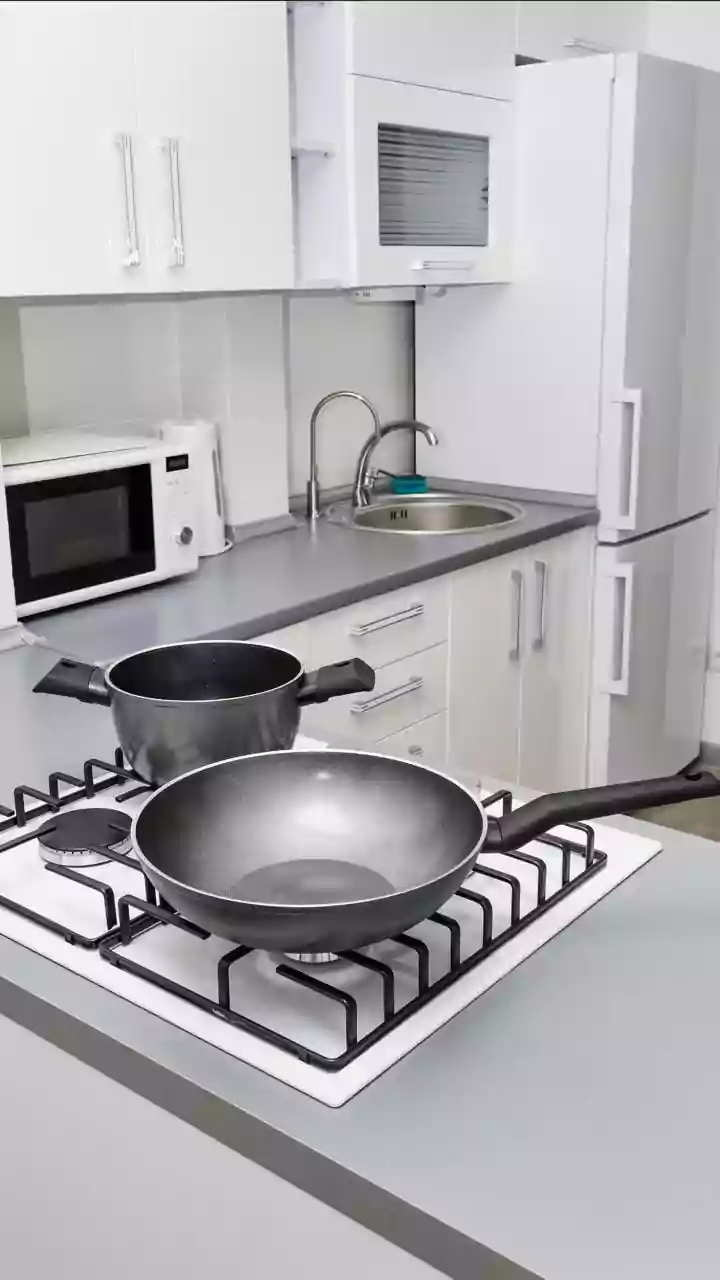
and harmful particulate matter. However, a new body of scientific evidence is drawing attention to an invisible pollutant that even these modern gas stoves produce: nitrogen dioxide (NO2). Unlike the visible smoke from a chulha, NO2 is a colourless, odourless gas produced whenever natural gas is burned. This means that even in a seemingly clean kitchen, the simple act of cooking can release pollutants that impact the air your family breathes.
Explaining the Asthma Connection
So, how does a gas stove connect to asthma? The link is nitrogen dioxide. Medical studies have shown that long-term exposure to NO2 can inflame the airways of the lungs. For people who already have asthma, especially children, this can trigger more frequent and severe symptoms like coughing, wheezing, and shortness of breath. Some research even suggests that consistent exposure to NO2 in homes could be a contributing factor in the development of asthma in children who were not previously diagnosed. Recent studies have attributed a significant number of new childhood asthma cases to the presence of gas stoves in the home, highlighting it as a serious, and often overlooked, household risk.
Not All Stoves Are Created Equal
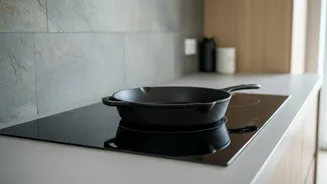
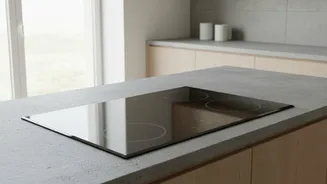
The key difference lies in combustion. Gas stoves burn fuel inside your home, releasing by-products directly into your living space. Electric and induction cooktops, on the other hand, generate heat without burning fuel. This means they do not produce nitrogen dioxide or carbon monoxide, making them a cleaner choice for indoor air quality. While frying on any stove can produce some particulate matter, the primary pollutants linked to asthma exacerbation are tied to the gas combustion itself. While the upfront cost of electric or induction stoves can be a consideration, it's important to view the choice of a cooking appliance as a long-term investment in household health, much like investing in a water purifier.
Ventilation Is Your Strongest Defence
If replacing your stove isn't an immediate option, don't despair. The single most effective way to combat indoor air pollution from cooking is ventilation. Many Indian kitchens, especially in older apartments, lack mechanical chimneys or exhaust hoods that vent to the outside. Simply opening windows and doors while cooking can make a huge difference. Creating a cross-breeze helps to dilute the concentration of pollutants and move them out of your home. If you have an exhaust fan, use it every single time you cook—not just when something is burning. Also, try to use the back burners when possible, as exhaust hoods are often more effective at capturing fumes from the rear of the stove.
Practical Steps for a Healthier Home
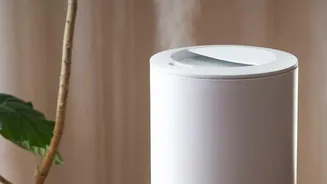
Protecting your family from indoor cooking pollutants doesn't require a complete home overhaul. Start with simple, consistent habits. Always prioritise ventilation by opening windows or using an exhaust fan that vents outside. When it is time to buy a new appliance, seriously consider switching to an electric or induction model. If a family member has asthma, be mindful that cooking times can be periods of higher risk and ensure they are not lingering in the kitchen without good airflow. A portable air cleaner with a HEPA filter can also help to improve overall indoor air quality, though it is a supplement, not a replacement, for good ventilation. Being aware of the issue is the first and most important step toward creating a healthier breathing environment at home.