







The Great Cinnamon Divide: Ceylon vs. Cassia
That familiar spice jar labelled simply 'cinnamon' almost always contains Cassia cinnamon. It's the robust, inexpensive, and globally dominant variety, grown primarily in China, Indonesia, and Vietnam. Its counterpart is Ceylon cinnamon, also known as "true
cinnamon," which originates from Sri Lanka and southern parts of India. Prized for centuries, Ceylon cinnamon is harvested from the inner bark of the Cinnamomum verum tree and is considered a more premium spice due to its delicate profile and labour-intensive production. While they share a name, these two spices are distinct in flavour, appearance, and chemical composition.
A Tale of Two Tastes
The headline gets it right: Ceylon cinnamon offers a softer, more nuanced experience. Its flavour is subtly sweet, with complex floral and citrus notes that enhance dishes without overpowering them. This makes it ideal for delicate desserts, custards, and beverages where you want the cinnamon to be a gentle, aromatic whisper. Cassia, on the other hand, is bold and spicy. Its strong, pungent, and sometimes slightly bitter flavour comes from a higher concentration of the compound cinnamaldehyde. This assertive taste is what many people in North America and parts of Asia associate with cinnamon, and it stands up well in robust baked goods like cinnamon rolls or in savory spice blends and curries.
How to Spot the Difference
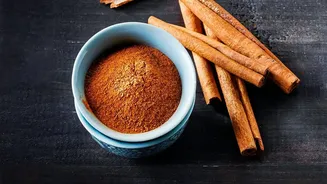
When you’re looking at whole cinnamon sticks, or quills, the difference is clear. Ceylon cinnamon sticks are light tan-brown and composed of many thin, fragile layers rolled together, resembling a cigar. They are soft and brittle enough to be crumbled by hand. Cassia sticks are a darker, reddish-brown and are made from a single, thick layer of bark that is much harder and woodier. In powdered form, telling them apart is trickier, but Ceylon powder is typically lighter and more golden-brown compared to the deeper red-brown of Cassia. The most reliable way to be sure is to check the label for "Ceylon cinnamon" or its scientific name, Cinnamomum verum.
The Health Question: Why Coumarin Matters
Beyond taste and texture, there is a significant health consideration that distinguishes the two. Cassia cinnamon contains high levels of coumarin, a natural compound that can be harmful to the liver in large or regular doses. Some studies have found that just one teaspoon of Cassia powder can exceed the tolerable daily intake for smaller individuals. Ceylon cinnamon, by contrast, contains only negligible or trace amounts of coumarin, making it a safer choice for those who consume cinnamon frequently, whether for culinary or health reasons. While moderate use of Cassia is generally safe for most people, those with liver conditions or who use cinnamon daily may want to opt for the Ceylon variety.
Choosing and Using Your Cinnamon
So which one should you buy? It depends on the dish. For a bold, spicy kick in savory recipes, curries, or cinnamon-heavy baked goods, the widely available Cassia is often a great choice. Its powerful flavour can hold its own against other strong ingredients. For desserts like crème brûlée, light puddings, fruit salads, or for flavouring tea and coffee, Ceylon cinnamon is the superior option. Its delicate sweetness adds a refined warmth that won't dominate the other ingredients. Many kitchens find value in keeping both on hand, using Cassia for its punchy heat and Ceylon for its aromatic subtlety.