



The Great Indian Protein Boom
For years, the narrative around healthy eating in India has been dominated by one word: protein. As awareness of nutritional gaps in the average diet grew, a wave of 'healthification' swept the nation. The market responded enthusiastically, with the protein bar
and snack industry expected to be worth hundreds of millions of dollars in 2026. This boom was fuelled by rising health consciousness, fitness trends, and the convenience of on-the-go nutrition. The concept of 'snackification'—replacing traditional meals with smaller, frequent bites—became a defining urban lifestyle trait, and protein-packed options were the go-to choice for a guilt-free energy boost. From gym enthusiasts to busy professionals, everyone seemed to be reaching for a snack that promised high protein.
A Shift in Consumer Priorities
Now, the story is getting more complex. According to the 'Farmley Healthy Snacking Report 2026', the Indian consumer has evolved. The survey, which gathered insights from over 6,000 people, confirmed that a staggering 86% of Indians see protein as an important factor when choosing a snack. However, the real headline is what lies beyond that number. The report reveals a massive shift towards total transparency. A majority of consumers—62%—now consider clear information about ingredients to be the single most important factor when trusting a snack brand. Furthermore, 61% stated they prefer snacks sweetened with natural ingredients like dates or jaggery over refined sugar, signalling a clear demand for 'clean labels'. The message is clear: high protein is the entry ticket, but the full ingredient list is what closes the deal.
Why Shoppers Are Playing Detective
This growing suspicion isn't without reason. For years, health-conscious buyers have contended with misleading labels. Past audits of the protein bar market have revealed concerning practices. A 2025 study found that very few protein bars sold in India were genuinely sugar-free. Many products marketed as 'no added sugar' were found to contain hidden sweeteners like liquid glucose, corn syrup, fructose, or brown rice syrup. Experts have warned that these disguised sugars can pose health risks, particularly for individuals with conditions like diabetes. This history of deceptive marketing has created a new generation of savvy consumers who are no longer willing to take claims at face value. They are turning over the packet and becoming ingredient detectives.
Decoding the 'Clean Label'
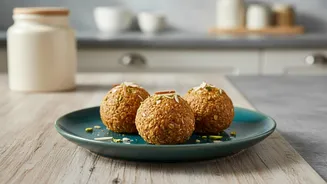
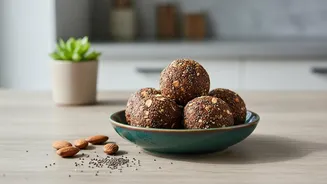
So, what are these discerning consumers looking for? The answer is a 'clean label'. This term refers to products made with a short list of simple, recognizable, and minimally processed ingredients. Instead of a chemical dictionary, shoppers want to see whole foods like nuts, seeds, oats, and dates. The demand is for natural sweeteners over artificial ones and the complete absence of synthetic preservatives, emulsifiers, and stabilisers. A truly 'clean' protein bar is one that could, in theory, be made in a home kitchen. Brands that are upfront about their sourcing and processing, offering complete transparency, are winning the trust that celebrity endorsements can no longer buy.
The Future of Healthy Snacking
This consumer-led revolution is actively reshaping the Indian snack market. We are seeing a significant rise in plant-based protein options, using ingredients like pea, soy, and brown rice protein to cater to the country's large vegetarian and flexitarian population. Brands are increasingly highlighting their 'clean label' credentials as a primary selling point. The trend is also paving the way for more specialised products. The Farmley report noted a significant interest among women in snacks tailored to support nutritional needs during the menstrual cycle, opening a new frontier for functional foods. As brands adapt, the future of snacking in India belongs to those who can deliver on taste, nutrition, and, most importantly, trust.