

Why Choose Gentle Yoga?
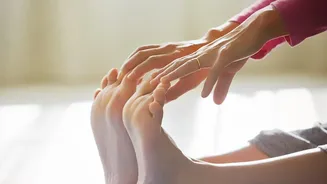
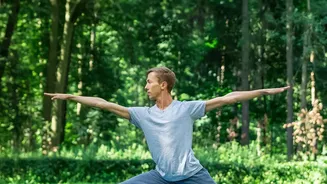
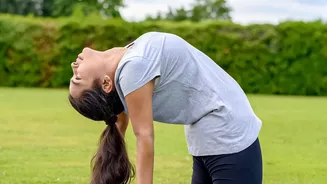
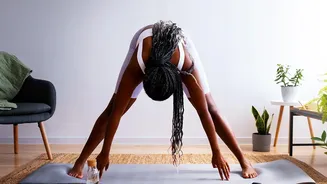
Gentle yoga is a slow, accessible style of yoga that prioritizes ease of movement, breath awareness, and building confidence without strain. Instead of focusing on intense postures, it emphasizes feeling supported. This makes it an excellent choice for
beginners, older adults, individuals managing injuries, or anyone looking for a low-impact way to move their body. The benefits are numerous, including reduced stress, improved joint mobility, better balance, and a calmer nervous system. By moving slowly and using support when needed, it allows the body to release built-up tension and stiffness in a safe, sustainable way.
The Simple Seated Twist
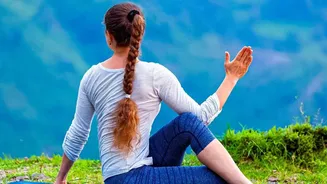
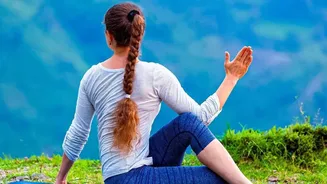
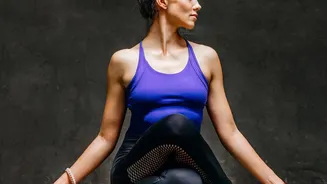
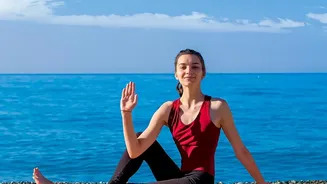
A seated spinal twist is a cornerstone of gentle yoga, known for improving spinal flexibility, aiding digestion, and relieving lower back discomfort. To practice a basic version, start by sitting upright on the floor with your legs extended in front of you. Bend your right knee and place your right foot on the outside of your left thigh. You can keep your left leg straight or, for more comfort, bend it and bring the heel near your right hip. Place your right hand on the floor behind you for support. Inhale to lengthen your spine, and as you exhale, gently twist your torso to the right, hooking your left elbow outside your right knee. The key is to twist from your torso, not just your neck. Hold for five to ten slow breaths, deepening the twist with each exhale, then gently release and repeat on the other side.
The Restorative Power of Child's Pose
Child's Pose, or Balasana, is a foundational resting posture that provides a gentle stretch for the back, hips, and shoulders while calming the mind. It's often used as a resting point between more demanding poses but is powerful enough to be a practice in itself. To begin, start on your hands and knees. You can keep your knees together or, for a deeper hip stretch, widen them to the edges of your mat while keeping your big toes touching. From there, slowly shift your hips back towards your heels, folding your torso forward and resting it on or between your thighs. Allow your forehead to rest on the mat, a block, or a pillow for support. Your arms can either extend forward for a shoulder stretch or rest alongside your body with palms facing up for deeper relaxation. Stay here for as long as feels comfortable, focusing on slow, even breaths.
Mastering the Art of Final Rest
Perhaps the most important pose in any yoga practice is Savasana, or Corpse Pose. While it may look like just lying down, it is a practice of conscious relaxation that allows your body and mind to absorb the benefits of the session. At the end of your routine, lie flat on your back. Let your feet fall open naturally, about hip-width apart. Your arms should rest alongside your body, a little away from your sides, with your palms facing up to encourage your shoulders to relax. Close your eyes and release control of your breath. Make any small adjustments needed to get completely comfortable, perhaps placing a blanket under your knees to ease lower back tension or covering yourself with a blanket for warmth. The goal is complete surrender, letting your body feel heavy and soft as it melts into the floor. Stay here for at least five minutes, allowing yourself to be still and simply be.
Creating Your Gentle Routine
Building a gentle yoga routine at home is simple. You don't need a long, complicated sequence to reap the benefits. Start with a few moments of quiet, seated breathing to centre yourself. Move into a few rounds of a seated twist to warm up the spine. Follow this with a few minutes in Child's Pose to gently stretch your back and hips. Conclude your practice with at least five minutes in Savasana to integrate the movements and find deep rest. Listen to your body and never force a pose. The goal is not perfection but presence. Even a 10-minute routine practiced consistently can have a profound impact on your overall well-being, improving flexibility, reducing stress, and fostering a kinder connection with your body.