






The Numbers Don't Lie
Recent data from a joint report by ASSOCHAM and Knight Frank paints a dramatic picture of the NCR's real estate market between 2015 and 2025. Housing prices surged by a staggering 193%, an appreciation rate that outpaced all other major metropolitan areas
in India. In stark contrast, the actual volume of homes sold during this ten-year span increased by a mere 7%. This isn't a story of a booming market across the board; it's a story of 'value concentration rather than volume expansion'. The market's financial worth has exploded, but the number of people participating in it has remained largely stagnant.
The Shift to Luxury
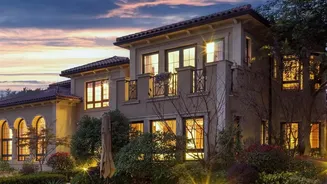
The primary driver behind this phenomenon is a decisive shift towards high-value, premium housing. The data is compelling: in 2018, homes priced above ₹1 crore constituted just 18% of all residential sales in the NCR. By the first half of 2026, that figure had ballooned to 84%. Developers, facing rising land and construction costs, are increasingly focusing on the luxury and ultra-luxury segments where profit margins are higher and demand from affluent buyers has been robust. This has been further enabled by the entry of national, well-branded developers known for high-end projects, who have significantly increased their market share in recent years. Consequently, the supply of new homes has become skewed, with new project launches actually declining by 20% over the last decade.
The Affordability Squeeze
For the average homebuyer, this trend has created a severe affordability crisis. While prices have shot up, household income growth has not kept pace. This widening gap means that even with relatively lower home loan interest rates compared to a decade ago, the dream of owning a home is moving further out of reach for a large section of the population. Knight Frank's affordability index for the first half of 2026 found the NCR to be significantly challenging for buyers. The market is effectively bifurcating: a thriving segment for high-net-worth individuals and investors, and a struggling mid-segment where potential buyers are priced out. This 'missing middle' is a growing concern, as the supply of homes in the more accessible price brackets dwindles.
Investors vs. End-Users
The divergence between price and volume also highlights a change in the buyer profile. A market dominated by such rapid price growth often attracts investors looking for capital appreciation rather than end-users seeking a place to live. While end-user demand remains, particularly in areas with strong infrastructure and employment hubs like Gurugram, the price barrier is significant. The focus on high-value transactions suggests that property is being treated more as an asset class for wealth creation than as essential housing. This is a crucial distinction, as investor-driven markets can behave very differently from end-user markets, often showing more volatility and a greater disconnect from local income levels.
What Does This Mean for the Future?
The current trajectory of the NCR real estate market is unsustainable if the goal is to provide housing for a growing urban population. The evidence points not to a universally healthy market, but to a polarised one. While improved connectivity and infrastructure projects like the Dwarka Expressway are boosting the appeal of certain micro-markets, these benefits are disproportionately flowing to premium developments. For homebuyers, the situation calls for caution and realism. The market's high end is flourishing, but the foundation—broad-based, affordable demand—is showing signs of strain. The slowdown in sales and new launches in the second quarter of 2026 suggests that the market may be reaching a saturation point at current price levels.