


A 'Once-in-a-Century' Discovery
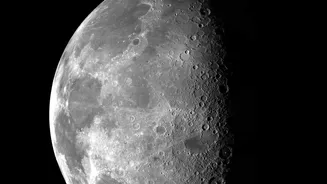
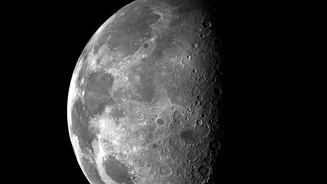
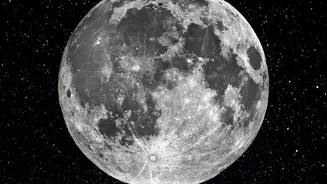
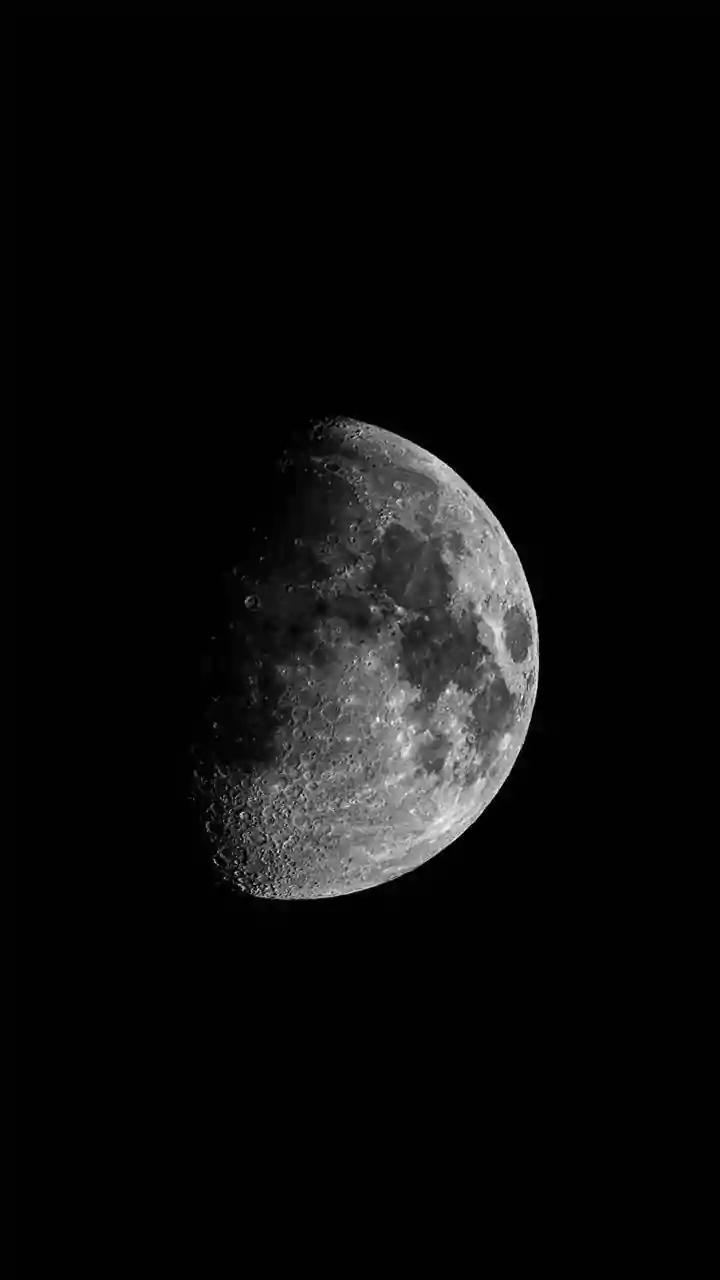
Scientists have discovered a massive new crater on the Moon, the result of a powerful impact that occurred sometime in 2024 but went undetected until recently. Named McGetchin crater, the feature is approximately 728 feet across and 141 feet deep — large
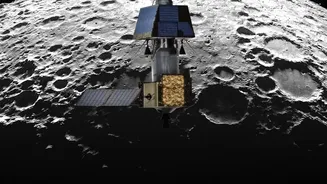
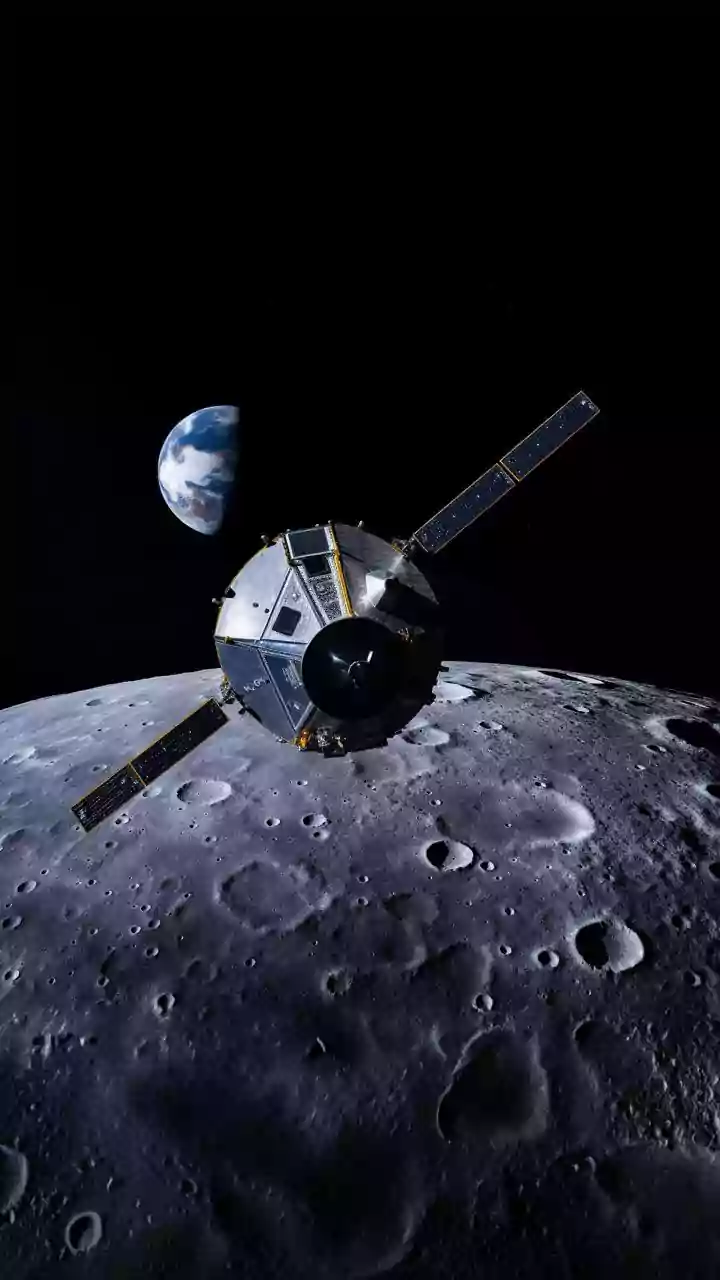
enough to swallow the Roman Colosseum. This makes it the largest newly formed impact crater found not just on the Moon, but in the entire solar system during the era of modern observation. The discovery was made by scientists analyzing years of images from NASA's Lunar Reconnaissance Orbiter (LRO), which has been mapping the Moon since 2009. An impact capable of creating a crater this size is estimated to happen only about once every 100 to 132 years, making this a statistically rare and scientifically priceless observation.
What Makes This Impact Special
The significance of McGetchin crater lies in its freshness. Because it formed so recently, it offers scientists an unprecedented look at the immediate aftermath of a major impact event before the slow process of space weathering erases the details. The impact was powerful enough to hurl rock and dust more than 60 miles across the lunar surface. Perhaps more interestingly, thermal instruments on the LRO detected a four-mile-wide 'cold spot' surrounding the crater. Scientists believe the impact blast fluffed up the lunar soil, or regolith, making it less dense and less able to hold onto heat during the frigid lunar night. One researcher compared the effect to gardening, as the impact churned up material from below the surface, providing a fresh look at the Moon's composition.
A Natural Laboratory for Artemis
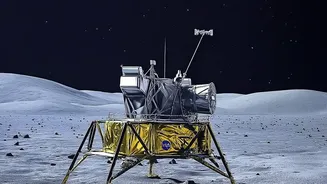
This discovery is more than just a geological curiosity; it's a vital data point for NASA's Artemis program, which aims to establish a permanent human presence near the lunar south pole. Understanding the frequency and effects of impacts is crucial for designing safe, long-term habitats for astronauts. McGetchin crater provides a real-world case study of what a building-sized asteroid or comet fragment can do to the lunar surface. By studying how the impact physically altered the regolith, engineers can better anticipate how landers, rovers, and other equipment will interact with the ground. It helps them fine-tune their models of impact risk, not just from the initial strike but also from the spray of high-velocity ejecta that could damage nearby structures.
Rewriting the Lunar Rulebook
The ongoing analysis of craters by the LRO, highlighted by this major new finding, is already changing our understanding of the lunar environment. For example, data suggests the top layer of lunar soil is being overturned by impacts far more frequently than previously thought — on a timescale of every 80,000 years. This has implications for everything from the preservation of historical artifacts, like the Apollo astronauts' footprints, to the design of future infrastructure. The discovery of McGetchin is a perfect, large-scale example of this constant, dynamic process. It serves as a powerful reminder that the Moon is not a static museum but an active environment, and learning its rules is essential before we move in.