





What the FSSAI Draft Says
On September 22, 2026, the Food Safety and Standards Authority of India (FSSAI) published a draft amendment that has caught the attention of the food industry. The proposal is simple: to prohibit the sale of any product as 'paneer' if it is made from
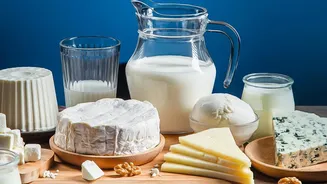
ingredients not derived from milk. According to existing FSSAI standards, paneer is a product made exclusively from milk or milk solids. The new draft aims to enforce this definition strictly. This means products already sold as 'analogue paneer' or 'vegan paneer' would need to drop the word from their labels and marketing. It's important to note this is a draft, not a final rule; the FSSAI has invited suggestions from the public before making a final decision.
The 'Why' Behind the Words
The regulator's stated goal is to protect consumers. FSSAI argues that using the term 'paneer' for non-dairy products can be misleading, preventing people from making informed choices about what they are buying and eating. The concern is that consumers might unknowingly purchase a product made from vegetable fats or starches believing it to be traditional milk paneer, which has a different nutritional profile. This move comes after several state governments have already taken action against what they call 'spurious' or 'analogue' paneer. The draft aims to create a clear, uniform national standard.
The Plant-Based Pushback
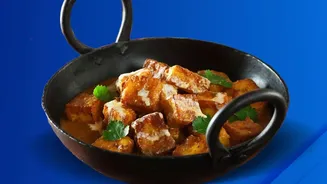
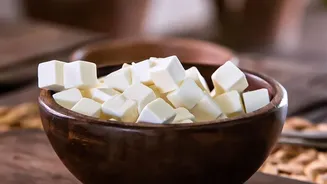
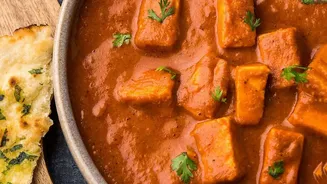
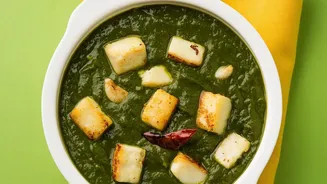
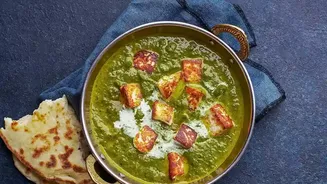
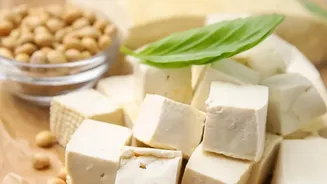
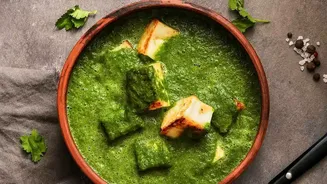
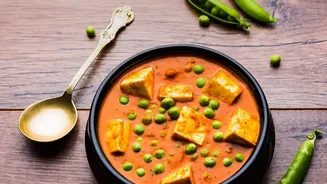
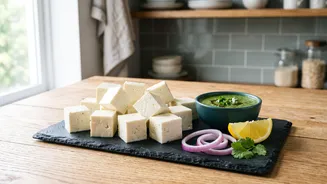
For the rapidly growing plant-based food industry in India, this is more than just a debate over a word. Companies argue that consumers who seek out 'vegan paneer' or 'tofu paneer' are not confused; they are actively looking for a non-dairy alternative. They contend that using the term 'paneer' helps describe the product's form, texture, and culinary use in dishes like palak paneer or paneer tikka. Stripping them of this familiar descriptor could create confusion, stifle innovation, and make it harder for consumers to find the products they want. This debate mirrors similar discussions that have happened globally over terms like 'veggie burger' and 'oat milk'.
A Booming Market at a Crossroads
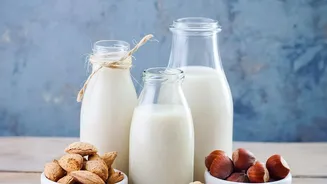
The timing of this regulation is critical. India's dairy alternatives market is experiencing significant growth, driven by factors like health consciousness, lactose intolerance, and ethical considerations. The market was valued at over USD 110 million in 2024 and is projected to grow substantially. Plant-based milk is often the entry point for consumers, with leading brands seeing over 20% growth in 2024. This regulatory proposal arrives just as these products are moving from a niche market to the mainstream, especially in urban centers. The outcome of this naming debate could significantly influence the market's future trajectory.
What Does This Mean for Consumers?
If the draft becomes law, the most immediate change will be on product labels. Your favourite tofu-based 'paneer' might be rebranded as 'plant-based cubes' or something similar. This is part of a broader push by FSSAI for clearer food labelling, which also includes a standardized, mandatory logo for certified vegan products set to come into force in July 2027. The goal for regulators is consistency and trust. While proponents say this will prevent deception, critics worry it could make it more difficult for those with dietary restrictions or preferences to easily identify the alternatives they rely on.