






In Your Home: The Unsung Hero of Weep Holes
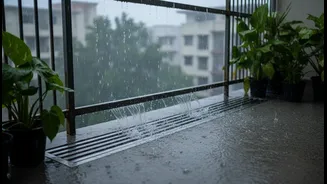
Look closely at the bottom of your window frames, especially vinyl or aluminium ones, and you'll likely find small, horizontal slots. These are called weep holes. They are not a design flaw; they are a critical feature designed to drain away rainwater
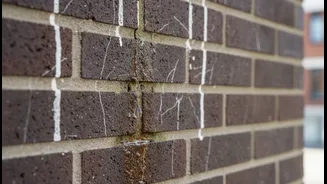
that hits the glass and collects in the frame's channel. Masonry and retaining walls also have them to relieve water pressure from the soil behind them. During the monsoon, these channels can easily get clogged with dust, leaves, and other debris. When a weep hole is blocked, that water has nowhere to go. It can pool inside the window frame, seep into your walls, damage paint and plaster, and create the perfect damp environment for mould and mildew to grow. Keeping them clear is simple. A quick poke with a piece of wire or a blast from a can of compressed air can dislodge most blockages. For a more thorough clean, you can use a pipe cleaner or a small brush to scrub out any grime.
In Your Car: Hidden Drains That Prevent a Flood
Your car has several critical drainage points that work overtime during the monsoon. The most common culprits for blockages are the cowl drains (located under the windscreen where the wipers are), sunroof drains, and door drains. When these get clogged with leaves and dirt, rainwater that should be channelled harmlessly under the car backs up. This can lead to a waterlogged cabin, with wet floor mats and a persistent musty smell being the first signs of trouble. More seriously, this water can seep into your car's sensitive electronics and fuse boxes, leading to expensive and hard-to-diagnose electrical problems. Another crucial drain is for your air conditioning system. The AC naturally removes moisture from the cabin air, which drips out under the car. If this drain line gets blocked, the condensation can back up and leak directly onto the passenger-side floor. Regularly clearing the debris from your car's cowl and checking that the door and sunroof drain holes are open can prevent a world of trouble.
For Your Electronics: It’s About Airflow, Not Water
The 'air holes' on your electronics—laptops, televisions, gaming consoles, and Wi-Fi routers—serve a different but equally important purpose: ventilation. During the monsoon, the danger isn't direct rain but the extremely high humidity. Humidity can be a silent killer for electronic devices, leading to internal corrosion, short circuits, and eventual failure. The vents on your devices are designed to allow heat to escape. If they become blocked by dust or are obstructed by being placed too close to a wall, heat gets trapped. This trapped heat, combined with high ambient humidity, can create condensation inside the device itself. To protect your gadgets, ensure they have ample space for air to circulate. Routinely wipe down vents with a dry cloth to keep them free of dust. For extra protection in very damp homes, consider using dehumidifiers or placing silica gel packets near your expensive electronics to absorb excess moisture from the air.