



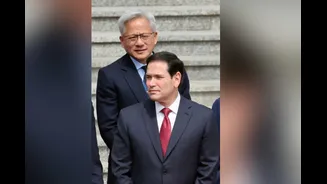


In a move that stunned the global tech industry, Nvidia's board reinstated CEO Jensen Huang just 11 days after his resignation over a national security scandal. The shocking reversal wasn't just a corporate decision; it featured direct input from the US
government.
A Shock Resignation
On November 12, 2026, Jensen Huang, the visionary co-founder of the world's most valuable chipmaker, abruptly resigned. His departure followed a firestorm of allegations that rocked Silicon Valley and Washington. Reports surfaced concerning Huang's relationship with an executive at a Singapore-based data centre company, Megaspeed. U.S. intelligence officials reportedly suspected the executive had ties to the Chinese government and that her company was involved in diverting controlled Nvidia AI chips to China, circumventing strict American export laws. The scandal, which also included Huang's admission of an affair with another Nvidia executive, raised serious questions about national security risks and potential corporate liability for export control violations, leading to his exit. The board quickly named an interim CEO, and it appeared Huang's celebrated tenure was over.
Unprecedented Government Intervention
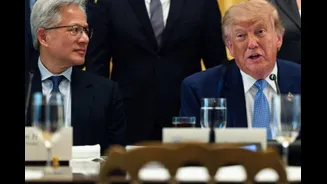
What happened next was unprecedented. On November 23, Nvidia's board unanimously voted to reinstate Huang. The decision came after direct and public intervention from the highest levels of the US government. President Donald Trump personally called into the board meeting, urging directors to bring Huang back and framing his leadership as essential to America's technological dominance. Publicly, Trump suggested the U.S. government might even consider taking an equity stake in Nvidia, calling the company's success 'vital to American AI leadership'. In its official announcement, the Nvidia board confirmed it had factored in 'information provided to it by senior levels of the US government', which gave them confidence that Huang's return posed no national security risk. The message from Washington was clear: Huang was too important to lose.
The High-Stakes Chip War
This corporate drama is unfolding against the backdrop of an intense technological cold war between the U.S. and China. Washington has imposed sweeping restrictions to prevent Beijing from accessing advanced AI chips, which are crucial for military and economic power. Ironically, Huang had been a leading voice arguing against some of these controls, suggesting they would only push China to develop its own alternatives while cutting Nvidia off from a massive market. The Trump administration's policy has been complex, at times allowing sales of less advanced chips to China, allegedly in exchange for revenue-sharing deals. However, just days before Huang's reinstatement, the Commerce Department issued new rules to close a major loophole that allowed Chinese firms to access powerful chips remotely through data centres in other countries.
A New Era of Oversight
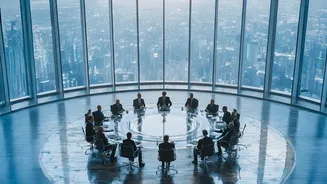
While Huang is back in the CEO chair, it is not business as usual. The scandal and the government's intervention have placed Nvidia under a powerful microscope. As part of the reinstatement, the company announced the formation of a new National Security and Export Control Committee. This board-level body will oversee trade compliance and national security risks. Nvidia is also recruiting a new Chief Compliance Officer, a role designed to ensure the company adheres to the complex web of government regulations. These moves signal a new reality for the chip giant, where its strategic decisions and daily operations will be subject to a much higher degree of government scrutiny. Proving that its commercial interests do not conflict with U.S. national security will be key to rebuilding trust in Washington.