



Understanding India’s Ethanol Push
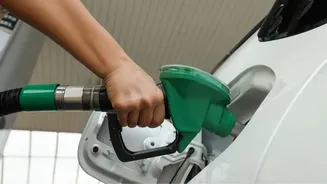
Across India, petrol pumps are rapidly shifting towards ethanol-blended fuel. This is part of the government's Ethanol Blending Programme (EBP), which aims to reduce the country's reliance on imported crude oil, lower carbon emissions, and support the agricultural
sector. The initial standard was E10, a mix of 10% ethanol and 90% petrol. However, the government has aggressively fast-tracked its goals, aiming for a nationwide standard of E20 (20% ethanol) by 2025. While newer vehicles are built to handle these blends, this rapid transition raises a critical question for the owners of millions of older motorcycles still in use.
Which Bikes Are 'Pre-BS-IV'?
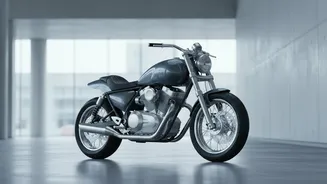
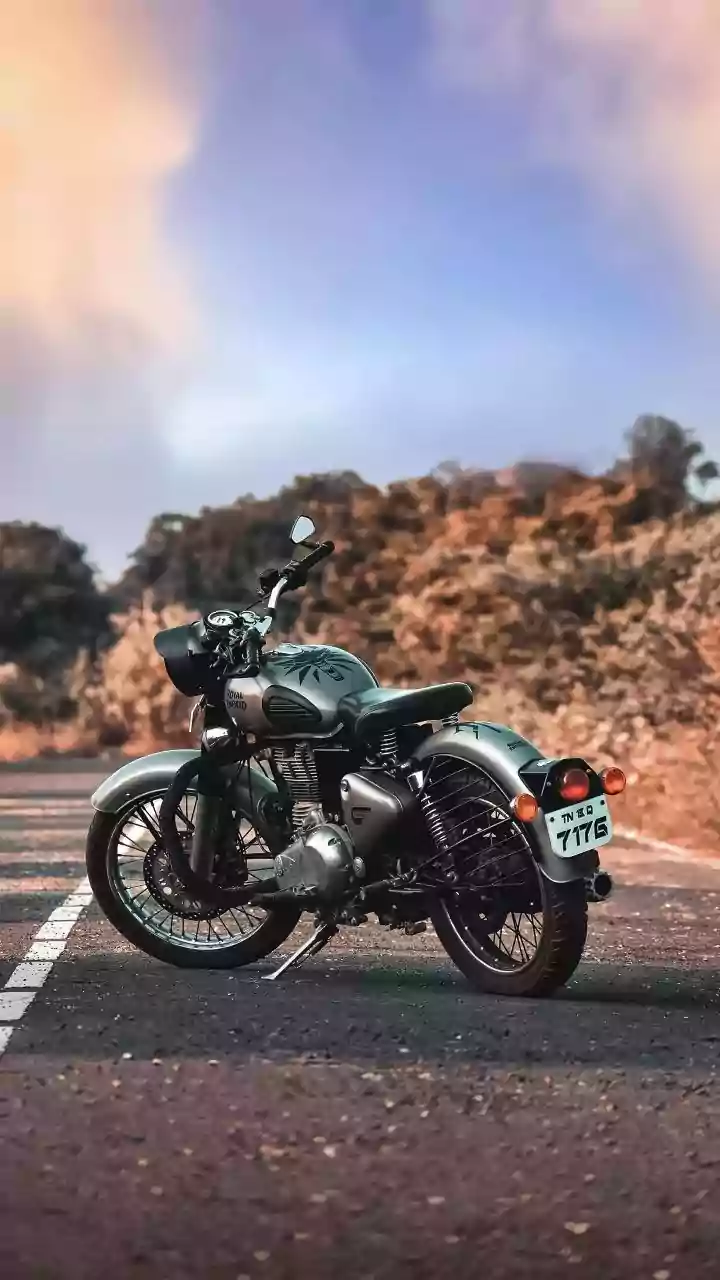
The term 'pre-BS-IV' refers to vehicles manufactured before the implementation of the Bharat Stage IV emission norms. These standards became mandatory for all new two-wheelers across the country on April 1, 2017. Therefore, any motorcycle or scooter manufactured before this date is considered a pre-BS-IV model. These vehicles were engineered at a time when ethanol-blended petrol was not the norm. Their fuel systems, particularly components in carburettor-based engines, were not designed to withstand the chemical properties of ethanol, creating a potential compatibility crisis as higher-blend fuels become the only option.
The Risks of Higher Ethanol Blends
Ethanol presents two main challenges for older vehicles. First, it is a solvent and can be corrosive to certain materials. Over time, it can degrade rubber and plastic components like fuel lines, gaskets, and seals, leading to fuel leaks and other safety hazards. Second, ethanol is hygroscopic, meaning it attracts and absorbs water from the atmosphere. This water can accumulate in the fuel tank, causing rust and corrosion from within. For carburetted engines common in pre-BS-IV bikes, the oxygen content in ethanol can also lean out the air-fuel mixture, potentially causing the engine to run hotter and suffer long-term damage. While E10 is considered a relatively mild blend, the move to E20 significantly increases these risks.
E10 as a 'Protection Fuel'
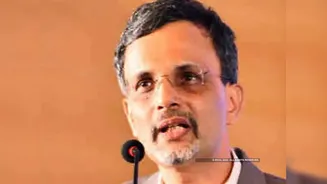
This is where the idea of a 'transition path' comes in. The headline reflects a recent proposal floated by India’s Chief Economic Adviser, V. Anantha Nageswaran. He suggested that oil marketing companies should continue to make E10 petrol available as an option for the estimated 75 to 80 million pre-BS-IV two-wheelers still on the road. This idea echoes a recommendation made years earlier by the Society of Indian Automobile Manufacturers (SIAM), which had asked for E10 to be retained as a 'protection grade' fuel for older vehicles. The logic is that providing E10 would prevent these older bikes from being prematurely forced off the road by the unavailability of compatible fuel, effectively creating a transitional period for their owners without requiring a harsh scrappage policy.
What Should Owners of Older Bikes Do?
Until a formal policy on E10 availability is announced, owners of pre-BS-IV motorcycles are in a difficult position. The best first step is to check your owner’s manual or contact the manufacturer to see if your specific model has any stated compatibility with E10 fuel. For very old or classic bikes, it is safest to assume they are not compatible. Owners should regularly inspect rubber fuel lines and seals for any signs of cracking, swelling, or degradation. If you notice rough idling, starting trouble, or a drop in performance, it could be related to the fuel. While some aftermarket fuel additives claim to mitigate the effects of ethanol, their effectiveness can vary. The most cautious approach is to use the lowest ethanol blend available.