




The Quest for India's First Light
Tucked away in the Anjaw district, where India, China, and Myanmar converge, Dong Valley holds a unique geographical distinction: it is one of the first inhabited places on Indian soil to witness the sunrise. This daily spectacle transforms the sky into
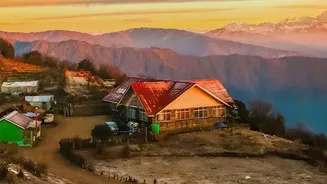
a canvas of gold and crimson, drawing adventure seekers and solitude lovers alike. The experience became particularly famous on January 1, 2000, when people from around the world gathered here to see the first sunrise of the new millennium. Depending on the season, the sun makes its appearance as early as 4:00 AM in the summer and around 5:30 AM in winter, making the pre-dawn journey a race against time. For those who make the effort, the reward is a moment of profound tranquillity, watching the first rays illuminate a landscape of unparalleled beauty.
The Journey to the Valley
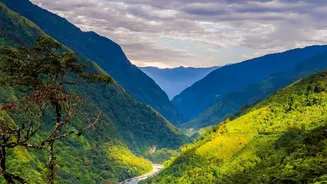
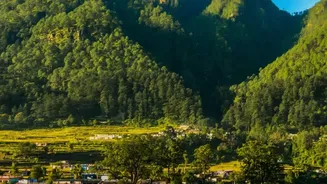
Reaching Dong Valley is an adventure in itself, a multi-day journey that showcases the raw, untouched beauty of eastern Arunachal Pradesh. The trip typically begins from Dibrugarh in Assam, the nearest major airport and railway hub. From there, it's a two-day drive covering approximately 400 kilometres. The route passes through towns like Tezu, the last major service point, before ascending into the mountains. The road follows the magnificent Lohit River, a tributary of the Brahmaputra, through dramatic gorges and dense pine forests. The nearest town to Dong is Walong, from where a short walk across a suspension bridge over the Lohit River leads to the trailhead. This journey requires patience and planning but rewards travellers with some of the most stunning and remote scenery in the country.
A Pre-Dawn Trek to the Heavens
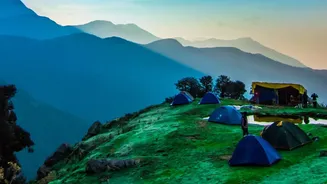
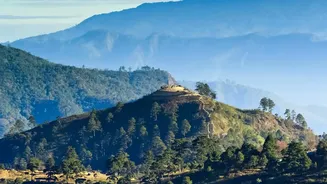
To witness the famed sunrise, visitors must embark on a challenging pre-dawn trek. The journey usually begins around 2 AM from the nearby town of Walong or Tilam village. The eight-kilometre hike to the sunrise viewpoint is steep, winding through a pine-forested ridge in complete darkness, guided only by headlamps. The trek itself, which takes about 90 minutes to two hours, is an integral part of the experience, filled with the sounds of the forest and the anticipation of the dawn. As you ascend, the air grows colder and the stars shine brighter, far from any city lights. Reaching the viewpoint before the first light breaks is a victory, offering a few moments to catch your breath and prepare for the natural spectacle about to unfold.
The Majestic Mountain Panorama
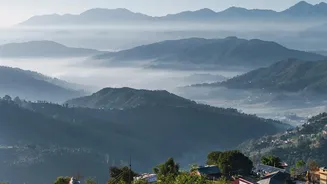
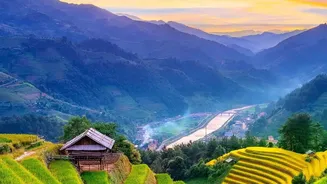
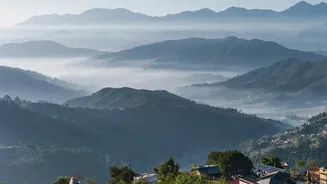
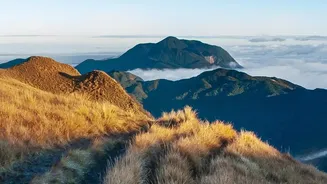
The reward for the early start and strenuous climb is a breathtaking panoramic view. As the sun rises, it casts a golden glow over a vast expanse of rolling mountains and deep valleys. From the viewpoint, you are looking out over a landscape that spans three countries. The mighty Lohit River can be seen glinting far below, carving its path through the rugged terrain. On a clear day, the snow-capped peaks of the Eastern Himalayas dominate the horizon, creating a dramatic backdrop to the sunrise. It’s a moment of pure serenity, where the only sounds are the wind and the birds, offering a profound connection to nature in one of its most pristine forms.
Planning Your Trip to Dong
A trip to this remote corner requires careful planning. The best time to visit is from October to April, when the weather is pleasant and the skies are generally clear. Indian nationals need an Inner Line Permit (ILP) to enter Arunachal Pradesh, which can be applied for online. Due to its proximity to the border, an additional Protected Area Permit (PAP) may be required for the Anjaw district, best arranged through a local tour operator. Accommodation is limited to basic government guesthouses and homestays in Walong and surrounding villages, so booking in advance is essential. Remember to pack warm clothing, sturdy trekking shoes, a headlamp, and any personal necessities, as facilities beyond Tezu are minimal.