






The End of the Unpacking Ritual?
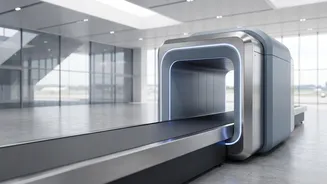
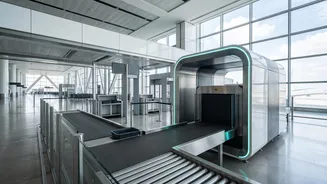
One of the most significant changes happening at DXB is the introduction of new-generation security scanners. Anyone who has travelled knows the routine: laptops out, liquids in a clear bag, belts and jackets off. This familiar shuffle may soon be a thing
of the past. Dubai Airports is gradually replacing its current equipment with advanced CT-style scanners that create detailed 3D images of hand luggage. This technology is powerful enough to allow security staff to inspect the contents of your bag without you needing to remove laptops or liquids. While the 100ml liquid rule still applies, the process of screening it becomes far less disruptive. The rollout is progressive, meaning you might still encounter the older style of checks, so it's essential to follow staff instructions.
Walk-Through Immigration Corridors
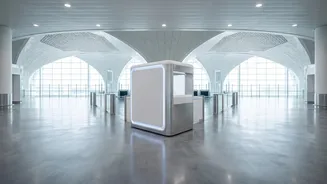
Beyond the baggage scan, Dubai is revolutionising passport control with biometric technology. The airport is deploying AI-powered 'smart corridors' and 'Red Carpet' lanes that virtually eliminate the need to stop and present your passport. These systems use a combination of facial and iris recognition to verify your identity as you walk through. Once registered, the system can identify you in as little as three to six seconds, allowing for a continuous flow of passengers even during peak times. Some systems are designed to process up to ten travellers at once, a substantial upgrade from the previous generation of e-gates. This technology is part of Dubai's broader 'Smart Travel' initiative, which aims to create a seamless, document-free journey from check-in to boarding.
How Does It Work for Passengers?
For many of these new systems, a one-time registration is key. For example, Emirates passengers can use the airline's app to register for the biometric path at Terminal 3. This allows them to move through check-in, lounge access, and boarding gates simply by looking at a camera. Other travellers can register their biometric data at kiosks upon arrival or pre-check their eligibility for the existing Smart Gates. These gates, available to UAE residents and eligible visa-on-arrival tourists, also use facial and iris scans to speed up immigration. The goal is to link your physical identity to your travel documents digitally, creating a 'biometric token' that allows you to pass through various airport checkpoints without repeatedly showing your passport.
What This Means for Indian Travellers
As one of the largest groups of travellers passing through DXB, Indian citizens stand to benefit significantly from these upgrades. Shorter queues at immigration and security mean less stress, reduced transit times, and a more pleasant overall experience. For families travelling with children or elderly parents, the convenience of not having to unpack bags or juggle multiple passports at a counter is a welcome relief. For business travellers, time saved at the airport is invaluable. While some of the most advanced passport-free corridors are being trialled in specific terminals or for premium class passengers first, the gradual rollout of new scanners and the widespread availability of Smart Gates are set to improve the journey for everyone.
Preparing for Your Smoother Trip
To take full advantage of these new systems, a little preparation goes a long way. If flying with Emirates, consider registering for the biometric path via their app before you fly. For other airlines, look for information on Smart Gate eligibility. Dubai Airports has launched a 'Smart Gates Eligibility Pre-Check' service, accessible via QR codes at the airport, which confirms if you can use the automated gates. Even with the new scanners, it's wise to keep your liquids organised and electronics easily accessible, as the rollout is ongoing and you may be directed to a lane with older machines. Ultimately, these technological enhancements are designed to get you to your gate, or your connecting flight, with less friction and more time to relax.