





A World of Interconnected Kitchens
First, it's important to understand India's pivotal role in the global rice market. Accounting for over 40% of the world's rice exports, India is the single largest supplier to nations across Asia, Africa, and the Middle East. This dominant position means
that Indian pricing and policies don't just follow the market; they often define it. When global events create uncertainty, the world looks to India. At the same time, with a population of over 1.4 billion, India is also a massive consumer. This creates a permanent tension between servicing lucrative international demand and ensuring affordable, adequate supplies for the domestic population. It's a delicate balancing act where any misstep has consequences both at home and abroad.
Conflict Adds a 'Risk Premium'
Recent geopolitical events have thrown a spanner in the works. The US-Iran conflict, for instance, has sent shockwaves through global supply chains. This isn't just about direct military impact; it's about risk. Tensions in critical shipping lanes like the Strait of Hormuz disrupt the flow of everything from energy to fertilizer. These disruptions increase the costs of fuel, transport, and vital agricultural inputs like fertilizers, which are crucial for a good harvest. In response to this instability, many countries, particularly in the Gulf region, have started stockpiling essential foods, including rice, to safeguard their food security. This sudden surge in global demand puts direct pressure on suppliers like India, driving up export prices.
The Impact at Home
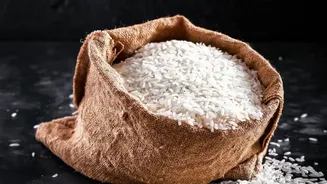
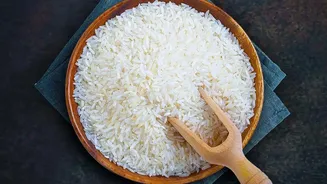
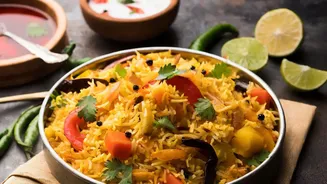
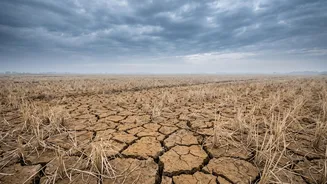
This global pressure translates directly into higher prices in our local markets. Recent reports from September 2026 indicate a sharp increase, with basmati prices rising by 15-20% and non-basmati varieties jumping by 20-25% compared to the previous year. For consumers, this means a popular variety like Sona Masoori, which might have cost around ₹52 per kg, is now closer to ₹64. Premium basmati used in biryani has seen similar hikes, climbing from about ₹85 to ₹100 per kg in the first quarter of the fiscal year. This price rise is compounded by domestic factors, such as deficient rainfall in key rice-growing regions in southern India, which adds to concerns about the upcoming harvest.
Preserving a Fragile Status Quo
This is where the idea of a 'preserved status' comes in. To shield its own population from the worst of this global inflation, the Indian government has often deployed policy tools like export restrictions. By imposing bans or duties on the export of certain types of rice, such as non-basmati white rice, the government aims to increase domestic availability and keep a lid on prices. While this can be effective in stabilizing the home market, it has a significant knock-on effect globally. Halving shipments from the world's largest exporter can trigger fears of shortages and further inflate prices for import-dependent nations. This creates a fragile equilibrium: India preserves its domestic stability at the cost of heightening international market volatility, which in turn can create more long-term geopolitical and economic instability.