






More Than Just a Simple Stretch
Ankle circles are a fundamental mobility exercise recommended by physiotherapists for a good reason. When performed correctly, this gentle rotation helps lubricate the ankle joint by stimulating the production and circulation of synovial fluid. Think
of this fluid as engine oil for your joints; it ensures the cartilage and bones glide effortlessly against each other. A smooth, controlled, and pain-free circle indicates a healthy range of motion. It also enhances proprioception, which is your body’s awareness of its position, leading to better balance and coordination. Therefore, paying attention to how your ankle circles feel can be a valuable daily self-assessment.
Decoding the Clicks and Pops
That popping or cracking sound you might hear is medically known as crepitus. In many cases, it is completely harmless. The most common cause is the release of nitrogen gas bubbles from within the joint fluid, similar to what happens when you crack your knuckles. This is especially common after periods of inactivity, like when you first wake up. Another frequent cause is a tendon momentarily snapping or rolling over one of the ankle bones. This is more likely if your muscles are tight or if you have a history of ankle sprains. As long as these sounds are not accompanied by pain, they are generally not a cause for concern.
When Pain Enters the Picture
The critical distinction to make is between a painless pop and one that hurts. Pain is your body’s signal that something is wrong. If you feel a sharp or persistent ache during ankle circles, it is time to stop and investigate. Pain could signal a number of issues, such as underlying inflammation, arthritis, or a previous injury that has not healed properly. A popping sound accompanied by pain and swelling following a twist or fall could indicate a more significant issue like a ligament sprain, tendon dislocation, or even a small fracture, and should be evaluated by a professional.
The Usual Suspects: Stiffness and Restriction
If your ankle circles feel more like drawing a square than a smooth circle, the primary culprit is often a lack of mobility. This stiffness can stem from tightness in the surrounding muscles, particularly the two main calf muscles that connect to the ankle via the Achilles tendon. When these muscles are tight, they can restrict the joint's full range of motion. Past injuries, even minor ones, can also lead to the formation of scar tissue or adhesions that limit movement. Reduced ankle mobility is not just a localised problem; it can force other joints like your knees and hips to compensate, potentially increasing the risk of injury further up the body.
Simple Ways to Improve Your Ankle Mobility
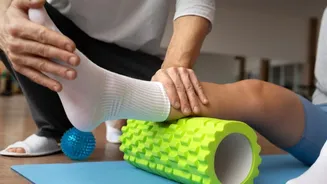
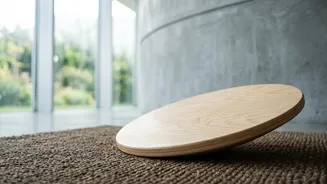
Improving the quality of your ankle circles is achievable with consistent, gentle effort. Start by performing the circles themselves slowly and deliberately, aiming for the largest pain-free range of motion you can manage. Supplement this with targeted stretches for your calf muscles. You can perform a classic calf stretch against a wall, holding for 20-30 seconds on each side. Another simple and effective exercise is the 'ankle alphabet', where you sit and trace the letters of the alphabet in the air with your big toe. This encourages movement in all planes of motion, enhancing overall flexibility and control. Remember to focus on smooth, controlled movements rather than forcing anything.