


A Forbidden Fruit
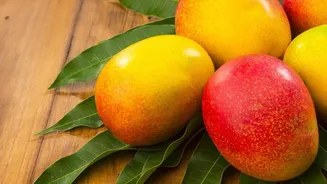
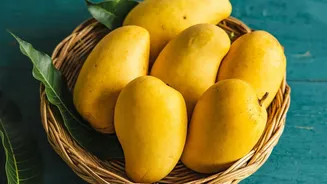
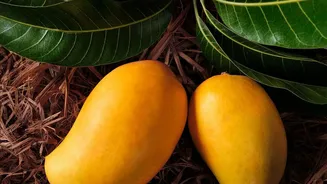
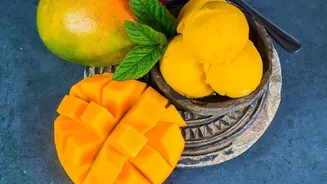
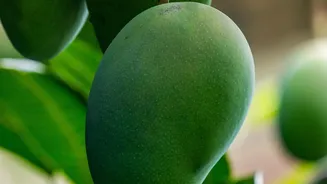
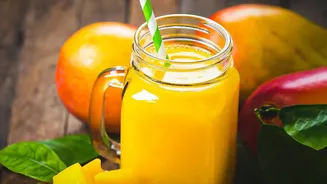
For many, the Indian mango is not just a fruit but an emotion, the undisputed 'King of Fruits'. India is the world's largest producer, accounting for over 40% of global supply. Yet, for nearly two decades, this national treasure was forbidden in the United
States. In 1989, the U.S. Department of Agriculture (USDA) effectively halted imports of fresh Indian mangoes. The reason was not a lack of demand, but a fear of pests. American officials were concerned that insects like the fruit fly and mango seed weevil could hitch a ride on the fruit and devastate U.S. agriculture, particularly in states like California and Florida. This decision closed the door on a burgeoning market, leaving the vibrant Indian diaspora and curious foodies longing for varieties like the Alphonso and Kesar.
A Deal Decades in the Making
Lifting the 18-year-long ban required far more than just a simple request; it involved years of painstaking diplomatic and technical negotiations. India consistently pushed for market access, arguing that its prized agricultural export posed no significant risk if handled correctly. The issue became a regular feature in bilateral trade talks. The breakthrough finally came during a period of strengthening India-US relations. In March 2006, during a visit to New Delhi focused on a landmark civil nuclear pact, US President George W. Bush famously sampled an Alphonso mango and reportedly declared it a “hell of a fruit.” This moment of culinary diplomacy helped break the logjam, leading to what some called the “nuclear mango deal.”
The Scientific Solution: Irradiation
The key to unlocking the US market was a scientific process: irradiation. The USDA’s Animal and Plant Health Inspection Service (APHIS) required a foolproof method to ensure no invasive pests could survive the journey. While other countries used hot water treatment, this method was deemed unsuitable for delicate, thin-skinned Indian varieties like the Alphonso. The agreed-upon solution was to expose the mangoes to a low dose of gamma radiation at a USDA-approved facility in India. This process neutralises any pests by making them sterile without affecting the fruit's taste, texture, or nutritional value, and without making it radioactive. With this protocol in place, the first legal commercial shipment in 18 years landed in the US in April 2007, marking a new era for the king of fruits.
An Enduring, and Expensive, Delicacy
Despite the agreement, the journey of an Indian mango to an American home remains complex and costly. The entire process is tightly controlled. Mangoes are sourced from registered orchards, treated at one of a few certified irradiation facilities in India under the eye of a USDA inspector, and then air-freighted to the US to preserve freshness. This intricate supply chain, coupled with high air freight charges, makes Indian mangoes a premium, pricey item, often selling for $50 to $60 a box. The trade is also not without its challenges. Exports were temporarily halted during the pandemic because US inspectors couldn't travel. And in 2025, shipments worth an estimated $500,000 were rejected due to documentation errors, highlighting the strict compliance required.
The Taste of Success
Despite the hurdles, the American appetite for Indian mangoes continues to grow, with exports surging in recent years. What was once a niche product for the Indian diaspora is now a sought-after luxury for a wider audience, with major retailers expressing interest. The story of the Indian mango in America is a potent symbol of the broader India-US relationship. It reflects how technical cooperation and persistent diplomacy can overcome regulatory barriers, turning a point of friction into a fruitful partnership. Each sweet, fragrant mango that arrives on US soil carries with it a long history of negotiation, a testament to the idea that sometimes, the most successful diplomacy is the kind you can taste.