




The End of a Mechanical Era
For well over a decade, if you wanted a new Ferrari with a manual transmission, you were out of luck. The last series-production model to offer a true three-pedal setup was the Ferrari California, which ceased production in 2012. The reason was simple:
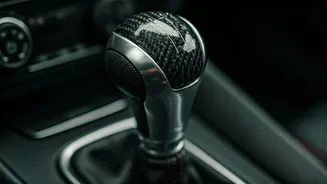
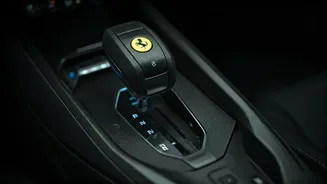
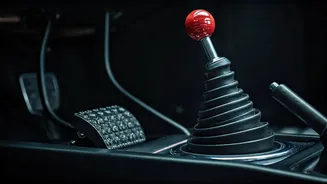
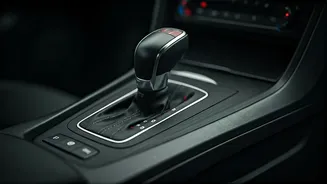
progress. Modern dual-clutch transmissions (DCTs) shift in milliseconds, far faster than any human, delivering better performance and quicker lap times. For a brand built on the foundation of racing and ultimate performance, the decision was logical. Demand had also plummeted, with only a handful of customers opting for the manual in its final years, making it financially unviable to continue development. Yet, for all the objective benefits of DCTs, enthusiasts felt a profound loss—the disappearance of the visceral, mechanical connection to the car defined by the iconic open-gated shifter.
A Patent That Reimagines the Past
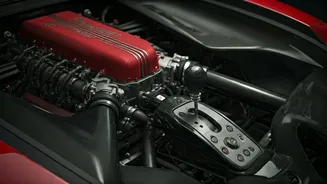
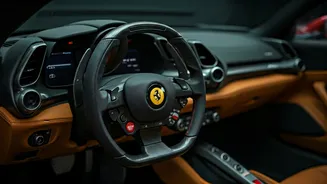
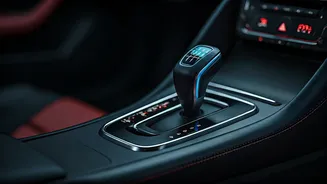
Just when all hope seemed lost, recent patent filings and a stunning new model reveal have shown Ferrari is listening. The company has developed a system that brings back the form and feel of a manual, but in a way that’s compatible with its modern, high-powered supercars. Revealed in the new, limited-edition 12Cilindri Manuale, the system is a sophisticated 'manual-by-wire' setup. It features a classic-looking H-pattern gated shifter and a clutch pedal, but there is no direct mechanical linkage to the transmission. Instead, the driver's inputs are translated into electronic signals that control the car's existing advanced dual-clutch gearbox. It’s a simulation, but one engineered with obsessive attention to detail.
How It Delivers an Analogue Feel
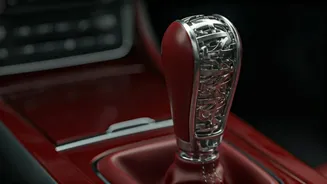
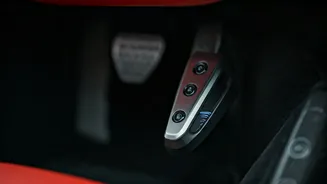
The magic of this system lies in its ability to replicate the authentic sensations of driving a traditional manual. The clutch pedal has been engineered to have realistic weight and feel, and the system relies on sensors to translate pedal travel into hydraulic actuation of the DCT's clutches. The beautiful metal shifter operates on a two-axis plane, with spring-loaded rollers underneath creating mechanical resistance and the satisfying 'click-clack' sound as it slots into each gate. This 'Manuale by Wire' system is so authentic that if you get the clutch timing wrong, the car will jerk or even stall, just like a true manual. However, the electronics also provide a safety net, preventing a disastrous 'money shift' by blocking you from selecting a gear that would over-rev the engine.
The Best of Both Worlds?
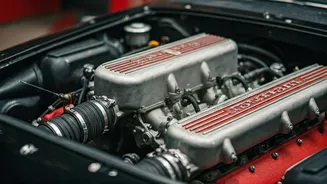
This innovative approach allows Ferrari to offer the best of both worlds. The driver gets the cherished tactile and emotional experience—the ritual of using a clutch and rowing through a metal gate—that has been missing from supercars for so long. At the same time, the car retains the underlying speed, precision, and reliability of its dual-clutch transmission. The 12Cilindri Manuale uses the first six gears of the standard car's eight-speed DCT for its manual mode, while the top two gears remain available for comfortable, automatic highway cruising. By building this experience on top of a modern gearbox, Ferrari avoids having to detune its incredibly powerful 819-horsepower V12 engine, which would be necessary for a conventional manual transmission to handle the immense torque.