
The Common Upma Conundrum
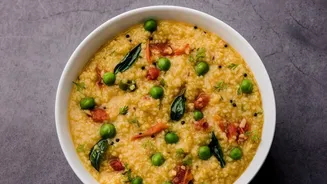
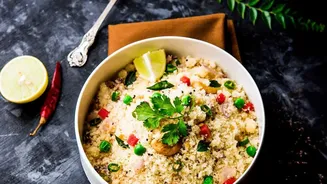
For countless home cooks, the quest for perfect upma is a familiar struggle. It is one of the simplest and quickest breakfast dishes, yet also one of the easiest to get wrong. The most common complaints are a sticky, gluey consistency or a landscape of stubborn
lumps that refuse to break. Many resign themselves to a less-than-ideal result, believing that fluffy, non-sticky upma is a secret held only by restaurants and experienced grandmothers. This often happens when raw semolina is used, the water temperature is incorrect, or the rava is added to the water too quickly. But these common pitfalls are easily avoidable once you understand the 'why' behind the technique.
Technique 1: The Magic of Roasting Rava
The first and most critical step towards a better upma texture is roasting the rava (semolina). Dry roasting the rava on a low to medium flame until it is fragrant and takes on a slightly golden, sandy appearance is non-negotiable for a fluffy result. This process does two crucial things. First, it eliminates moisture from the grains and prevents them from clumping together when they hit the water. Unroasted rava has a tendency to become glue-like and sticky. Second, roasting imparts a delightful nutty aroma and deeper flavour that raw rava simply cannot provide. Even if you buy pre-roasted rava, giving it a quick toast yourself ensures the best possible texture and taste.
Technique 2: Why Hot Water is a Must
The second pillar of perfect upma is using boiling hot water. Adding rava to cold or lukewarm water is a primary cause of lumpy, hard upma. When roasted rava is introduced to boiling water, the granules begin to cook and swell instantly and evenly. Cold water, on the other hand, causes the starch to release unevenly, creating a gloopy mess before the grains can properly separate and cook. For a consistently soft and moist texture, many seasoned cooks recommend a water-to-rava ratio of 2.5:1 or even 3:1 (three cups of water for every one cup of rava). Always have your water at a rolling boil and ready to go before you even think about adding the rava.
Technique 3: The Power of a Steady Stir
This is where the final piece of the puzzle falls into place. You cannot simply dump the rava into the boiling water and hope for the best. The key is to reduce the flame to low and add the rava in a slow, steady stream with one hand while continuously stirring with the other. This constant motion prevents lumps from forming by ensuring every grain of rava gets individually coated with water and doesn't have a chance to stick to its neighbours. Keep stirring gently but consistently as the rava absorbs the water and begins to thicken. Continue until the mixture pulls away from the sides of the pan. Once all the water is absorbed, stop stirring, cover the pan, and let the upma steam on low heat for a few minutes to achieve its final fluffy state.