



Choose Your Vintage Story
The first step is to decide which vintage era speaks to you. Are you drawn to the ornate, symmetrical motifs of Damask, which evoke a sense of ceremony and old-world luxury? Or perhaps the fluid, teardrop-shaped swirls of Paisley, with its bohemian and artistic
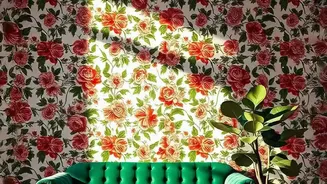
heritage, feel more like home. Other popular vintage styles include the bold geometric patterns of Art Deco from the 1920s, the organic and clean lines of Mid-Century Modern designs from the 50s and 60s, or the delicate florals of Victorian times. Choosing a primary pattern family gives you a clear direction and makes it easier to build a cohesive look. Don't feel pressured to be perfectly historically accurate; it's about capturing a feeling. Start with one pattern that you truly love, and let it become the anchor piece for your collection.
Master the Art of the Mix
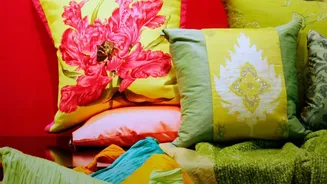
The secret to a beautifully styled sofa is not perfect matching, but harmonious mixing. A foolproof formula involves combining patterns of different scales. Pair one large, bold pattern with a medium-scale print, like stripes or checks, and a third, smaller-scale design. This variation creates visual interest and depth, preventing the patterns from competing with each other. To ensure the mix feels intentional, stick to a consistent color palette of two to three shades. These colors can be pulled from existing elements in your room, such as a rug or curtains, to tie the whole space together. A popular designer trick is the 'one bold, one subtle, one solid' trio, which provides balance and gives the eye a place to rest.
Texture Adds Another Layer
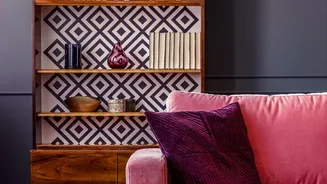
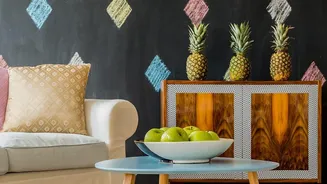
A truly inviting vintage look isn't just about what you see; it's also about what you feel. Integrating different textures is key to adding warmth and luxury. Imagine pairing a richly patterned velvet cushion with the relaxed feel of a linen or cotton cover. The contrast makes each piece stand out. Materials like aged leather, brass accents, and reclaimed wood are cornerstones of vintage decor, and you can echo this through your textiles. A cushion with brass-toned embroidery or one made from a wool blend with brown stripes can complement wooden furniture and add a layer of rustic comfort. This mix of materials prevents your arrangement from feeling flat and adds a tactile quality that is essential to a cozy, lived-in home.
Think Beyond the Living Room Sofa
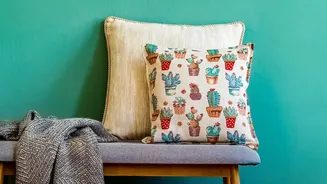
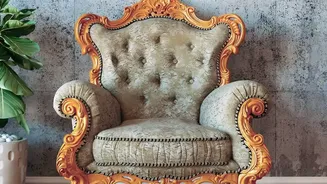
While the sofa is the natural starting point, patterned cushions can bring vintage charm to many corners of your home. A single, well-chosen cushion can transform a simple armchair into a statement piece. Create a cozy reading nook in a bedroom or on a window seat by clustering a few cushions in odd numbers—groups of three or five often look more natural and less staged. You can even use larger cushions as comfortable and stylish floor seating, perfect for creating a relaxed, bohemian atmosphere. Think of each cushion as an opportunity to inject personality. You can even frame a particularly beautiful or sentimental pillow cover to create unique wall art, adding another layer of texture and history to your walls.
Sourcing and Caring For Your Finds
Finding the perfect vintage-patterned cushion covers is part of the fun. Beyond major retailers, explore local flea markets and online artisan platforms for unique, handcrafted pieces that tell a story. When choosing fabrics, look for patterns that align with your chosen era, whether it's the earthy tones and organic shapes of the 70s or the delicate florals of an earlier time. Remember that true vintage fabrics may require gentle care, so always check cleaning instructions. An easy way to keep your decor fresh is to rotate your cushion covers seasonally. Lighter cottons and florals might feel right for spring, while richer velvets and deeper colors can make a space feel cozier in winter.