




A Blooming Transformation in the Cold Desert
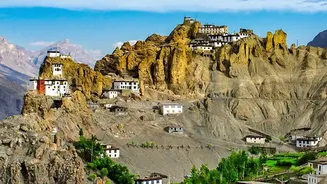
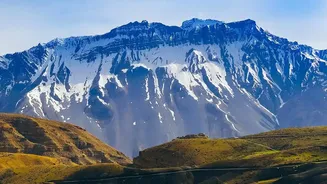
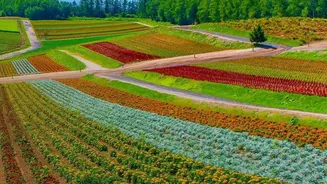
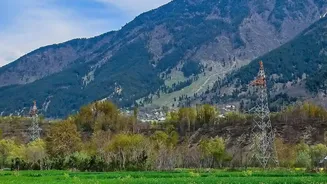
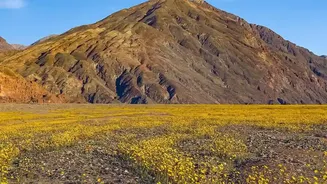
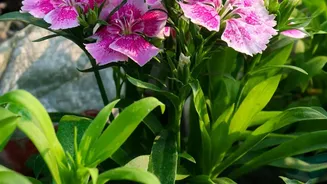
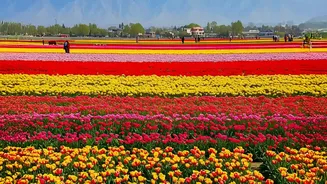
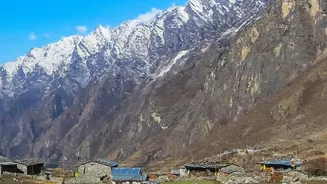
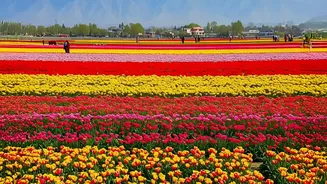
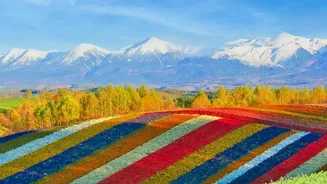
Against the stunning backdrop of rugged mountains, vast fields of lilium, gladiolus, and tulips are bringing a new splash of colour to Ladakh. A major initiative is underway to establish commercial floriculture as a cornerstone of the region's economy.
Spearheaded by the local administration with technical support from the Council of Scientific and Industrial Research (CSIR), the project involves creating large-scale, high-altitude flower fields. Two significant sites at Choglamsar and Stakna in the Leh district, covering approximately 40 acres, are at the heart of this transformation. These fields, home to over 2.5 million flowering plants, are not just changing the landscape but are also designed to diversify the local economy beyond its traditional reliance on a short tourism season and limited agricultural options.
From Soil Science to Economic Self-Reliance
At its core, the project is a massive training and empowerment program. For the first time, local farmers are receiving structured training in scientific floriculture, from planting high-quality bulbs to post-harvest management. The initiative places a strong emphasis on community involvement, particularly empowering women. Many local women are now engaged in the crucial tasks of cutting, sorting, and packaging the flowers, earning a substantial daily wage and gaining financial independence. The long-term vision is to hand over the management of these fields to local farmer cooperatives and Self-Help Groups (SHGs). This ensures that the economic benefits are rooted within the community, creating a sustainable model of livelihood generation that is managed by and for the people of Ladakh.
Connecting Ladakh's Flowers to National Markets
The ambition of the floriculture project extends far beyond local beautification. It is a commercial enterprise aimed at capturing a share of India's growing demand for ornamental flowers. The unique climatic conditions of Ladakh allow for off-season cultivation, giving its produce a distinct market advantage. Recently, the project marked a major milestone with the first air consignment of 15,000 'A-grade' Lilium flowers flown from Leh to major markets in Delhi, Mumbai, and Chandigarh. These high-quality blooms, fetching premium prices, demonstrate the commercial viability of high-altitude floriculture and open a direct revenue stream for the region's farmers.
A New Attraction for Tourists
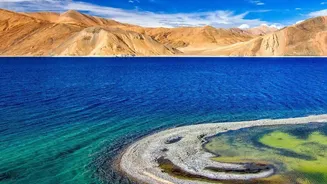
While the economic benefits are clear, the project also adds a vibrant new dimension to Ladakh's tourism landscape. Traditionally known for its monasteries, pristine lakes, and adventure treks, Ladakh will now also be known for its sprawling flower parks. The fields at Choglamsar and Stakna are being developed not just for cultivation but also as recreational and educational spaces for residents and tourists. These 'valleys of flowers' are expected to become new destinations for visitors and even film shoots, enhancing the region’s appeal and diversifying its tourism offerings beyond the conventional circuits. This blending of agriculture and tourism creates a symbiotic relationship where visitors are drawn to the beauty of the fields, contributing to the local economy that sustains them.
A Sustainable Model for the Future
Ladakh's flower project is more than just an agricultural success; it's a template for sustainable development in a fragile ecosystem. The cultivation is being done with an eco-friendly approach, using solar energy for irrigation and avoiding pesticides. By providing a profitable alternative to conventional farming, the initiative helps diversify the rural economy and reduces pressure on limited resources. The administration is already looking to replicate this model, with plans to identify land for similar projects in other districts like Kargil and Zanskar. This forward-thinking strategy aims to build a resilient and prosperous future for Ladakh, proving that economic growth and environmental harmony can, indeed, blossom together.