






The Domino Effect of Delays
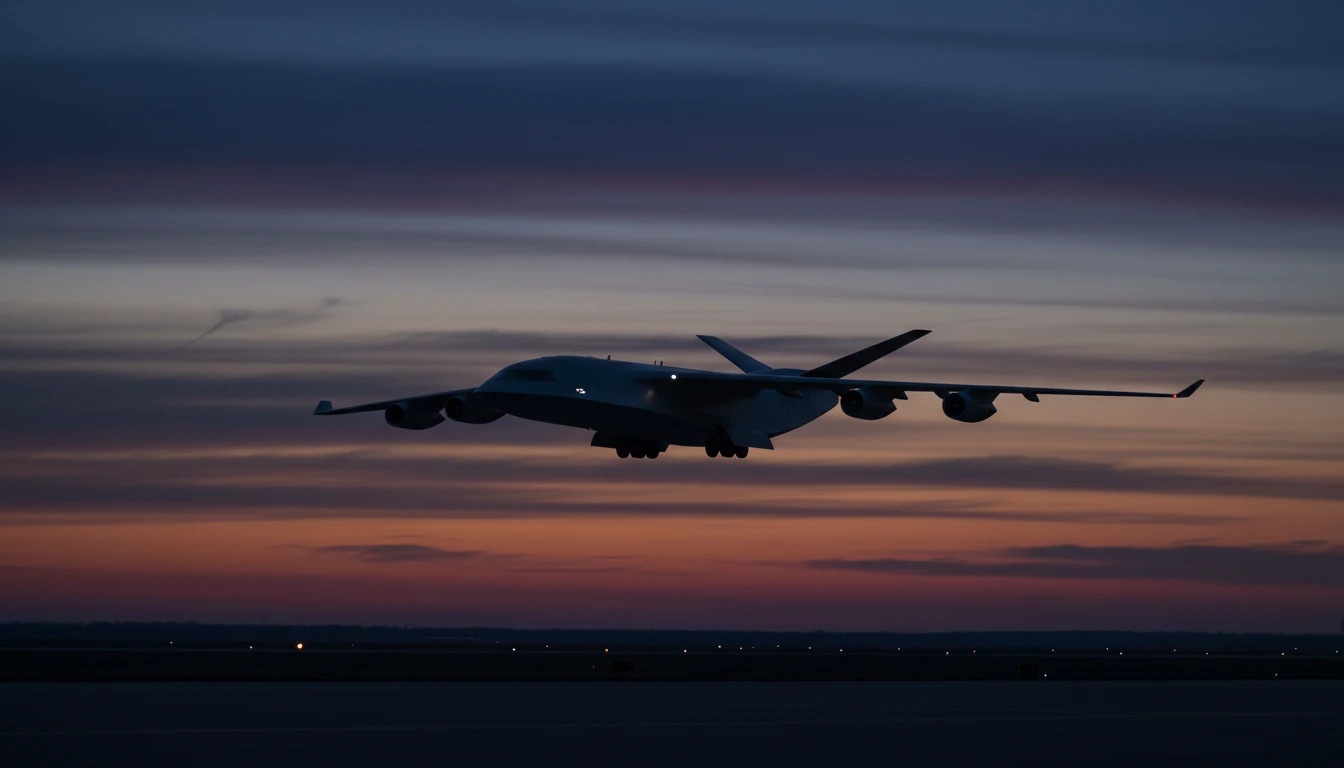
Planning a multi-city trip during the monsoon involves more than just booking tickets. It requires understanding how interconnected your travel is. A delayed flight from Delhi doesn't just mean a late arrival in Goa; it can mean missing the last train
to your final destination, a non-refundable hotel room sitting empty, and a pre-paid tour starting without you. The monsoon's unpredictability, with sudden downpours causing flight delays and waterlogging affecting road and rail traffic, makes every linked booking a potential point of failure. The key isn't to avoid monsoon travel, but to plan defensively, anticipating these chain reactions before they happen.
Your Flight: Know the Refund Rules
Airlines have specific policies for weather-related disruptions. If an airline cancels a flight due to heavy rain, you are generally entitled to a full refund or a seat on an alternative flight. However, delays are more complex. While significant delays may entitle you to meals or even accommodation, the definition of 'significant' can vary. The highest risk airports for monsoon delays include coastal hubs like Mumbai and Goa. When booking, opt for flexible fares if possible and build in a buffer of at least three hours for any connecting flights. A short layover during peak monsoon is a gamble you might not want to take.
The Train Connection: Delays and Deposits
Indian Railways has a clear rule that benefits passengers: if your train is delayed by three hours or more from its scheduled departure, you are entitled to a full refund if you decide not to travel. To claim this, you must cancel the ticket before the train's actual departure. For e-tickets, this means filing a Ticket Deposit Receipt (TDR) online through the IRCTC portal, citing the delay as the reason. For counter tickets, you must surrender the ticket at a reservation counter to get the refund. If the railway cancels the train outright, the refund is typically processed automatically for e-tickets.
Your Hotel: The Peril of 'No-Show' Policies
This is where many travelers get caught out. Most hotels have cancellation policies that allow you to cancel for free up to 24 or 48 hours before check-in. However, if a flight or train delay means you arrive a day late without informing the hotel, they may mark you as a 'no-show' and cancel your entire booking without a refund. Some hotel policies for weather emergencies are non-existent, making it your responsibility. Always call the hotel immediately if you know you'll be delayed. They may be willing to hold your room. When booking, pay close attention to the fine print, especially for prepaid, non-refundable rates which are common during sale periods.
The Safety Net: Is Travel Insurance Worth It?
For monsoon travel, especially complex itineraries, travel insurance can be a crucial safety net. However, not all policies are created equal. A basic plan might not cover much. Look for policies that specifically mention coverage for 'trip interruption' or 'travel delay' due to weather. These can reimburse you for the non-refundable costs of missed hotel nights or the expense of booking a new connecting flight. Read the policy carefully to understand what is and isn't covered. For instance, some may only pay out for full cancellations, not for long delays. The small premium, often just a few hundred rupees, can save you from a much larger financial headache.
Your Monsoon Travel Checklist
Despite the challenges, monsoon travel is surging in popularity, with destinations like Wayanad and the Northeast seeing huge booking increases. To travel with confidence, follow a simple checklist. First, choose flexible booking options where possible. Second, keep a list of contact numbers for your airline, train service, and hotels. Third, pack smart with waterproof bags for electronics and quick-drying clothes. Finally, build buffer days into your itinerary. A little extra time between connections can absorb most delays, ensuring that a rain-soaked afternoon doesn't wash away your entire holiday.