






The Once-in-12-Years Natural Wonder
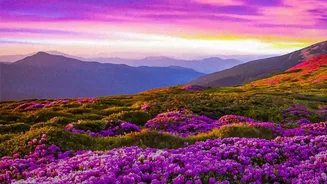
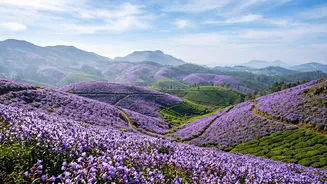
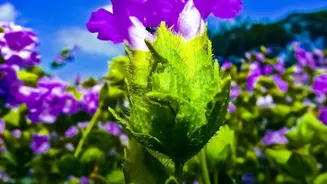
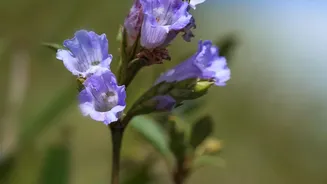
Neelakurinji, or Strobilanthes kunthiana, is a shrub native to the high-altitude shola grasslands of the Western Ghats. Its fame comes from a rare biological phenomenon called gregarious flowering. The plants grow for 12 long years, then bloom en masse,
carpeting entire hillsides in a stunning display of colour. After this brief, glorious spectacle, the plants produce seeds and die, beginning the cycle anew. This unusual life cycle, known as monocarpic flowering, makes each bloom a much-anticipated event. The name itself holds a clue to its identity: 'Neela' means blue, and the bloom is so iconic that it's believed to have given the Nilgiri Mountains ('Blue Mountains') their name. Historically, the Paliyan tribal community even used the 12-year cycle to calculate their age.
Why 2026 Is a Confusing Year
The core of the developing story lies in a simple but crucial fact: not all Neelakurinji bloom at the same time. Munnar and the wider Western Ghats host different populations of the flower, each running on its own 12-year clock. The most famous bloom, which draws massive crowds to Eravikulam National Park, last occurred in 2018 and its next spectacular showing is expected in 2030. The current 2026 bloom belongs to a different group of plants. Records show that the population in the Mattupetty-Kannimala region flowered in 2014, making 2026 its scheduled year to bloom. So, the 2026 bloom isn't early, nor does it replace the one expected in 2030. Instead, two different biological clocks are ticking in the same mountain landscape.
Where to Actually See the Bloom Now
For anyone hoping to witness the purple carpet in September 2026, the key is knowing where to look. The main flowering is concentrated around the Chokramudi hills and the Korandakkad-Mattupetty areas. These blooms started appearing in August and are expected to become more widespread as September progresses. Forest officials expect the flowering to spread to other high-altitude areas like Meesapulimala and Sevenmala as conditions become more favourable. It's important for visitors to understand that Eravikulam National Park is not the place to see the main 2026 bloom. To manage the influx of visitors and protect the fragile habitat, authorities have been regulating access, with some areas requiring bookings via mobile apps.
The Shadow of Climate Change and Conservation
While the staggered bloom cycles explain much of the confusion, there are deeper ecological concerns. The Neelakurinji is a sensitive plant, and its habitat faces threats from land encroachment, tourism pressure, and invasive species. In fact, the 2026 bloom is occurring largely outside protected national park areas, raising alarms about the potential for damage. Furthermore, botanists are closely watching for the effects of climate change. Unusual weather patterns, such as shifting monsoons and rising temperatures, could potentially disrupt the delicate internal clock of these plants. While it's hard to attribute any single irregular bloom to climate change, experts worry that it could affect the frequency and synchrony of flowering in the long term. This makes the Neelakurinji not just a tourist spectacle, but a barometer for the health of the Western Ghats ecosystem. The species was recently classified as a 'threatened' species on the IUCN Red List, highlighting the urgency of conservation efforts.