






The Cardio Powerhouse
At its core, dance aerobics is a fantastic cardiovascular workout. The continuous, rhythmic movements elevate your heart rate, strengthening the heart muscle and improving its ability to pump blood efficiently throughout your body. Regular sessions can
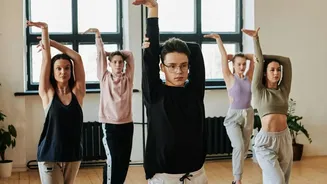
lead to better circulation, lower blood pressure, and an improved cholesterol profile by increasing 'good' HDL cholesterol and lowering 'bad' LDL cholesterol. Unlike some repetitive cardio exercises like running on a treadmill, dance aerobics involves varied intensity, with bursts of high-energy moves followed by lower-intensity steps. This natural interval training builds endurance and stamina. It’s a full-body workout that engages multiple muscle groups at once, from your legs and glutes to your core and arms, helping with muscle toning and weight management.
Music as the Ultimate Motivator
Music isn't just a background element in dance aerobics; it's a key driver of performance and enjoyment. Research shows that listening to music during exercise can distract from feelings of pain and fatigue, making the workout feel easier and more pleasurable. A good beat can reduce your perceived exertion by as much as 12 percent. Our brains are naturally wired to sync with rhythm, which helps make our movements more efficient. When you match your steps to the tempo of a song, you can often push yourself harder and for longer. The right playlist triggers the release of endorphins and dopamine, the brain's feel-good chemicals, which boosts your mood and creates a powerful sense of reward. This transforms the session from a gruelling task into an uplifting experience you'll want to repeat.
A Workout for Your Brain
The coordination required in dance aerobics is a significant workout for your mind. Learning and remembering choreography forces your brain to create new neural pathways, a process known as neuroplasticity. This active mental engagement enhances cognitive functions like memory, focus, and problem-solving skills. As you follow the instructor, you’re constantly making quick decisions, processing steps, responding to the music, and maintaining spatial awareness. This multitasking sharpens your mental flexibility and processing speed. Studies have shown that activities combining physical exercise with mental engagement, like dance, are particularly effective at improving brain health and may even reduce the risk of age-related cognitive decline. It’s a form of active meditation where focus on movement and music helps quiet mental chatter and reduce stress.
More Than Just Exercise
Dance aerobics brings together the physical benefits of cardio, the motivational power of music, and the cognitive challenge of coordination to create a holistic wellness activity. It's an expressive outlet that allows for emotional release, helping to reduce stress and anxiety. The group setting of a class also provides a social element that combats loneliness and builds a sense of community. This combination of physical, mental, and social benefits makes it a uniquely compelling form of exercise. It builds physical confidence, improves balance and flexibility, and fosters a positive relationship with movement where joy is the main goal.