




The Sensory Checks: Look, Feel, and Smell
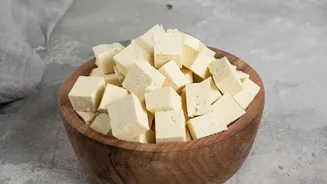
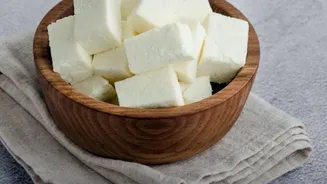
Before you even think about cooking with paneer, give it a quick inspection using your senses. Fresh paneer should be creamy white, have a firm yet spongy texture, and possess a mild, milky aroma. If you notice any warning signs, it's best to be cautious.
A distinct sour or fermented smell is a primary indicator that bacteria have started to take over. Visually, look for any discolouration. A yellowish tinge or the appearance of brown, green, or black spots signals that the paneer is no longer safe to eat. Another major red flag is a change in texture. If the surface feels sticky or slimy to the touch, it has spoiled and should be discarded immediately.
The Taste Test: Your Last and Riskiest Resort
If the paneer looks, feels, and smells fine, but you still have doubts, you might be tempted to taste it. This should always be a last resort, as consuming even a small amount of spoiled paneer can lead to food poisoning, with symptoms like nausea, vomiting, and stomach cramps. If you must, taste only a minuscule piece. A sour, bitter, or 'off' flavour is a clear sign to throw the entire block away. The golden rule of food safety is simple: when in doubt, throw it out. The risk is never worth it.
Proper Fridge Storage: The Water Method
The best way to prevent spoilage is through proper storage. Because paneer is a high-moisture cheese with no preservatives, it dries out and hardens quickly in the refrigerator. To keep it soft and extend its life, the water-soaking method is most effective. Place your block of paneer in an airtight container and fill it with clean, filtered water until the paneer is completely submerged. Seal the container and store it in the coldest part of your fridge. The most crucial step is to change the water every single day. This prevents the buildup of bacteria and keeps the paneer fresh and moist for up to a week.
Alternative Storage: Muslin Cloth and Freezing
If you plan to use the paneer within a day or two, you can skip the water bath. Instead, wrap the block in a damp muslin or cotton cloth. Place the wrapped paneer in an airtight container and refrigerate. This keeps it moist without becoming waterlogged. For long-term storage, freezing is an excellent option. To prevent it from becoming crumbly, it's best to blanch the paneer first. Cut it into cubes, briefly place them in hot water, and then transfer to a freezer-safe bag or container. Frozen paneer can last for several months. To thaw, move it from the freezer to the refrigerator the night before you plan to use it; this gradual temperature change helps preserve its texture.
Avoiding Common Mistakes
Several common habits can accelerate paneer spoilage. Never store paneer directly in plastic or cling film, as this can trap condensation and encourage sourness. Leaving it at room temperature for more than two hours creates a breeding ground for bacteria and significantly increases the risk of foodborne illness. Always store it in the coldest part of your fridge, typically the bottom shelf, rather than the door, where temperatures fluctuate. Finally, be wary of buying loose, unpackaged paneer from unhygienic sources, as the risk of contamination is much higher. Opt for trusted brands with proper packaging and a clear 'use by' date whenever possible.