


The Allure and Risk of September
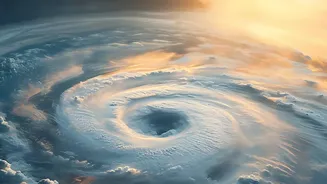
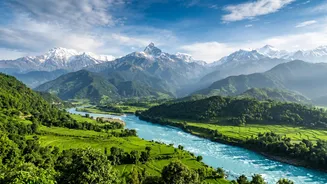
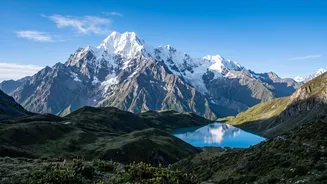
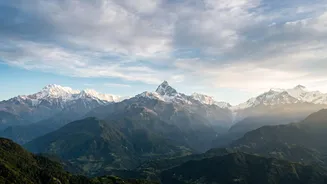
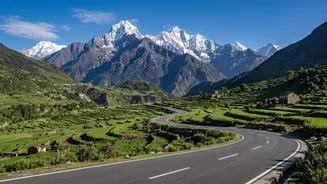
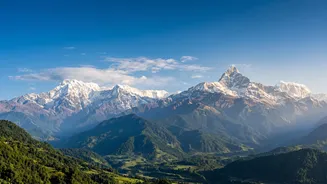
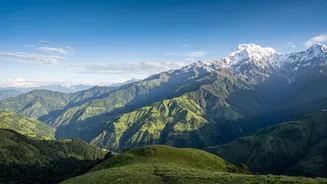
September marks the beginning of Nepal’s peak tourist season for good reason. As the four-month-long summer monsoon begins its retreat, the country is transformed. The air becomes cleaner, the dust settles, and the Himalayan peaks reveal themselves against
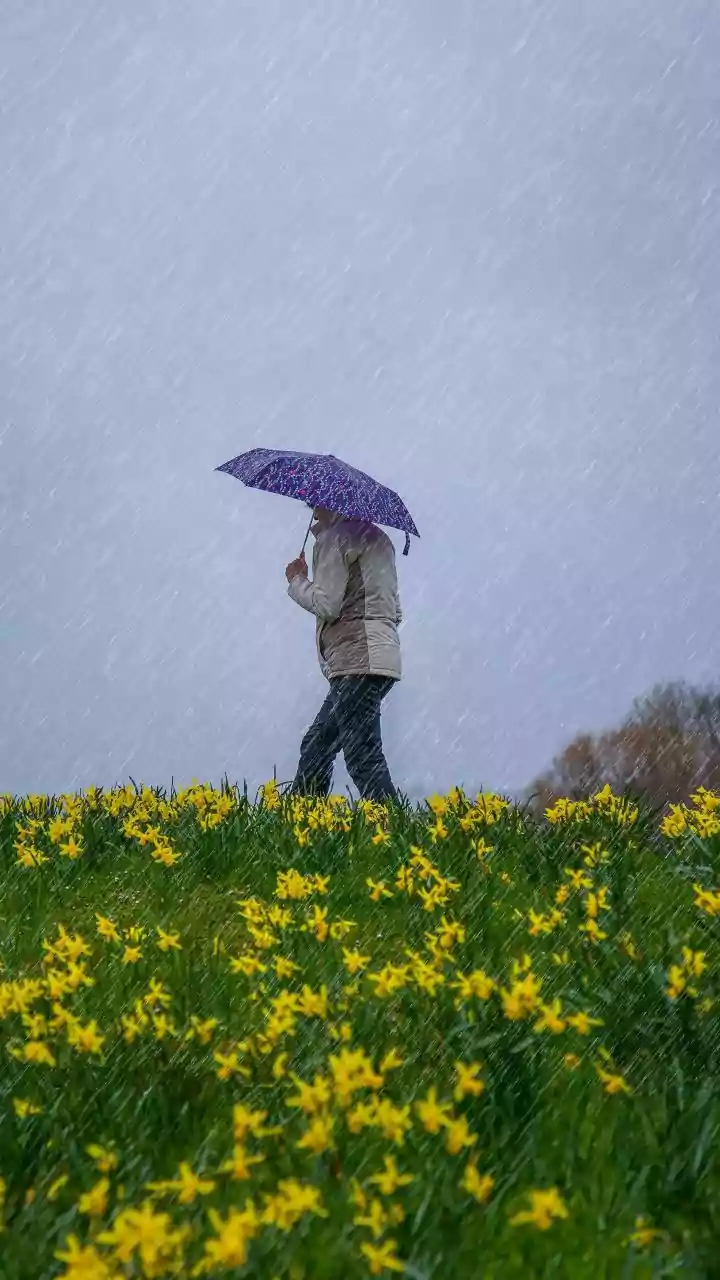
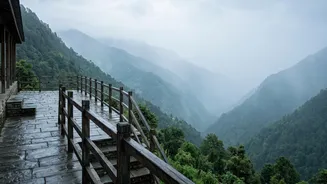
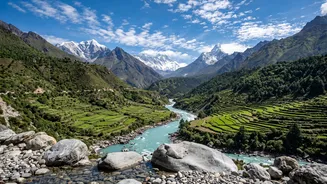
brilliant blue skies. The landscape, washed clean by months of rain, is a vibrant, emerald green. For trekkers and cultural tourists alike, it’s a period of pleasant temperatures and stunning beauty. However, the tail-end of the monsoon is a volatile time. The shift in weather is not like flipping a switch; rains can linger, especially in the first half of the month, keeping the threat of floods and landslides high. Rivers remain swollen, and the ground is often saturated and unstable. While the promise of post-monsoon splendour is a powerful draw, history shows that this period demands caution. In late September 2024, for example, a devastating week of record rainfall led to widespread floods and landslides that claimed over 200 lives nationwide.
A Catastrophic Start to the Season
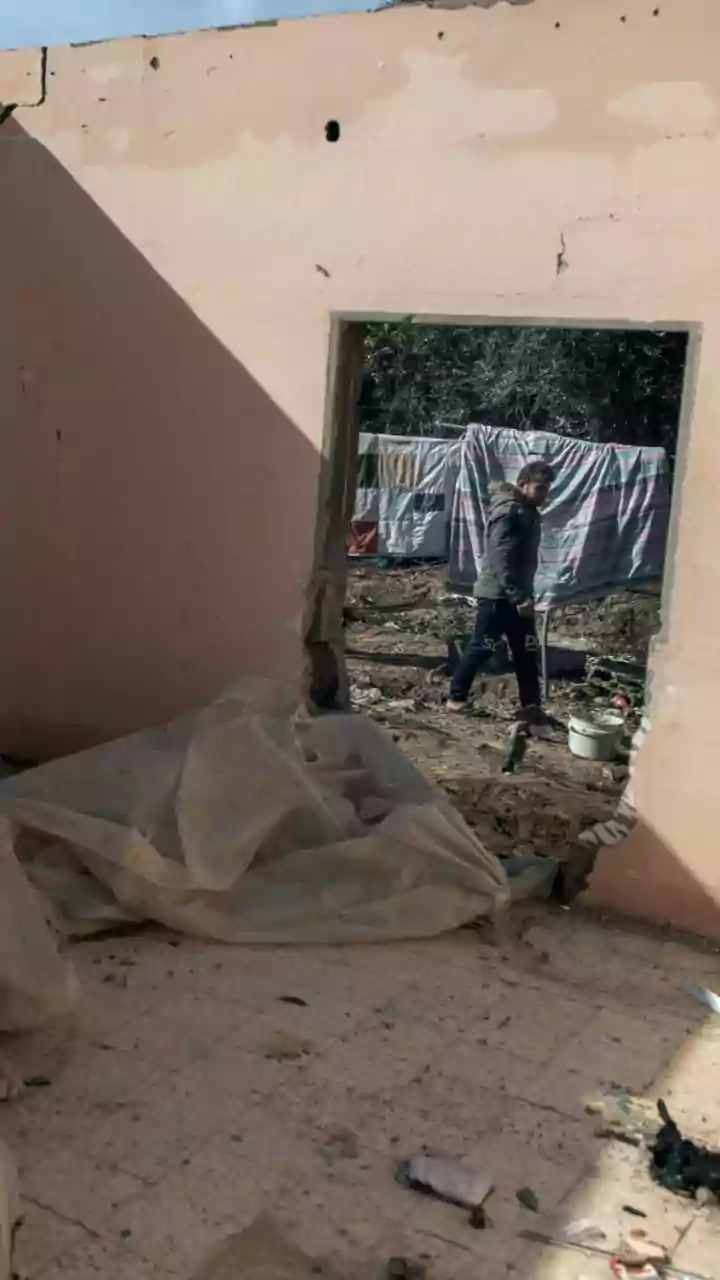
The risks this year are not just theoretical. On August 26, 2026, a catastrophic flash flood tore through the northern Rasuwa district, which borders Tibet. Investigators believe a massive glacial collapse high in the Himalayas, not just heavy rainfall, triggered the event. A wall of water and debris surged down the Bhotekoshi River, which becomes the Trishuli River downstream, at incredible speed, sweeping away bridges, roads, and buildings. The disaster caused a high number of casualties and left hundreds of foreign and Nepali nationals missing, prompting a massive emergency response. This single event has profoundly impacted travel in a critical corridor. The main road to the Langtang trekking region was severely damaged, and official travel advisories have been issued for several districts along the affected river system. It serves as a tragic and powerful reminder of the unpredictable forces of nature in the Himalayas, especially during the transitional seasons.
Regions Requiring Extreme Caution
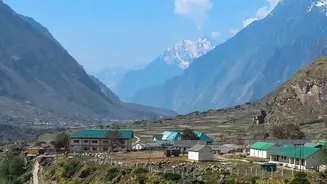
In the wake of the August floods, travellers must be aware of specific areas that are either unsafe or difficult to access. International travel advisories urge reconsidering travel to areas near the Trishuli River in Rasuwa, Nuwakot, Dhading, and Gorkha districts. The popular Langtang Valley trek, which begins in this area, is largely inaccessible due to the destruction of roads and infrastructure. Likewise, the main highway connecting Kathmandu and Pokhara to Chitwan National Park, the Muglin-Narayangadh road, has faced blockages and is under strain, making overland travel to the southern plains difficult. It's important to note that many destinations, like the main safari town of Sauraha in Chitwan, were not directly inundated by this specific flood. However, access issues and the fact that jeep safaris inside Chitwan National Park are on their routine monsoon hiatus until mid-October mean a September trip there is highly impractical this year.
How to Check Conditions Before You Travel
Staying informed is your most powerful tool. Before and during your trip, make it a habit to check official sources for the latest updates. The Nepal Department of Hydrology and Meteorology (DHM) is the primary source for weather forecasts and real-time river level data, issuing flood warnings on its official website. Their daily bulletins can provide crucial insight into emerging risks. Beyond government sources, communicate directly with your local contacts. Your trekking agency, hotel, or guide in Nepal will have the most current on-the-ground information. Reputable operators are actively monitoring the situation and will be your best resource for understanding if an itinerary is safe and feasible. They can advise on the status of roads, bridges, and trails that may not be covered in international news. Do not rely solely on information from weeks ago; conditions can change rapidly.
Safer Alternatives for a September Trip
While some regions are off-limits, the majority of Nepal remains safe, open, and incredibly welcoming to visitors. The August 26 disaster was geographically concentrated, and many of the country's most iconic destinations were completely unaffected. The Kathmandu Valley, with its seven UNESCO World Heritage Sites, is operating normally, as are the cities of Pokhara and Bhaktapur. For trekkers, the most famous routes in the Everest and Annapurna regions are excellent choices for September. These areas were not impacted by the Trishuli River flood. As the monsoon recedes, trekking conditions here improve daily. Another fantastic option is to explore Nepal’s “rain-shadow” regions, such as Upper Mustang. These high-desert landscapes lie behind the main Himalayan range, receive very little monsoon rain, and offer a culturally unique and scenically spectacular experience that is ideal for this time of year.