






The Sanctuary Within: Indoor Mindful Movement
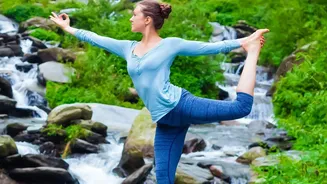
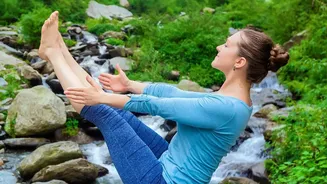
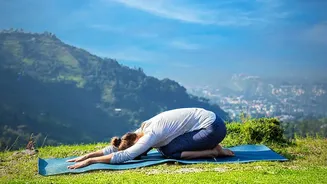
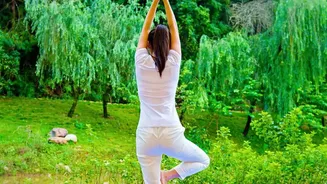
Indoor mindful movement refers to practices like yoga, Tai Chi, and qigong, where physical postures, breathing techniques, and meditation are combined. The primary advantage here is control and accessibility. A yoga mat in your living room creates a sanctuary
that is available anytime, regardless of weather, time of day, or proximity to a park. This consistency helps build a reliable habit for stress management. These practices are known to lower levels of stress hormones like cortisol and elevate brain chemicals such as GABA, which is associated with better mood and decreased anxiety. The focus is typically internal—on the breath, the sensation of a stretch, and the rhythm of the body. This inward attention helps calm the nervous system and quiet the mental chatter that contributes to exhaustion, making it an excellent tool for developing emotional stability and mental clarity.
The Call of the Wild: Nature Immersion
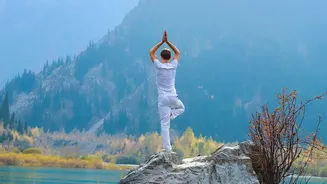
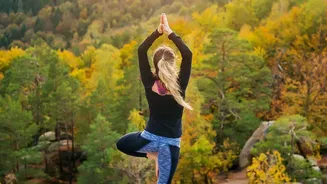
Wild nature immersion, which includes activities like hiking, trekking, or the Japanese practice of Shinrin-yoku (forest bathing), involves consciously engaging with a natural environment. Its power lies in its ability to pull our attention outward. According to Attention Restoration Theory (ART), developed in the 1980s, natural environments combat the 'directed attention fatigue' that comes from constant focus in our urban lives. Nature provides what researchers call "soft fascination"—the gentle, effortless engagement of watching leaves rustle or clouds move—which allows our overtaxed cognitive functions to rest and recover. Studies show that exercising in green spaces is significantly more effective at improving mental health than exercising indoors. A walk in a forest has been found to reduce cortisol levels, lower blood pressure, and boost mood more effectively than a walk in an urban setting.
A Head-to-Head Comparison
When compared directly, the two approaches offer different kinds of restoration. Indoor mindful movement excels at fostering interoception—the awareness of your internal bodily state. It’s a deliberate, structured practice for calming a frazzled mind in a controlled environment. It is predictable and can be tailored to very specific needs, like improving flexibility or practicing focused meditation. Nature immersion, on the other hand, provides a broader sensory experience and a break from familiar surroundings. The outward focus it encourages can be particularly beneficial for those struggling with rumination or self-critical thoughts, as it shifts attention away from internal distress and onto the external world. While indoor yoga provides calm, a hike offers perspective and a sense of awe. The choice often comes down to logistics and present needs. An indoor session is low-friction and reliable; an outdoor adventure requires more planning but may offer a more profound reset.
Better Together: A Complementary Approach
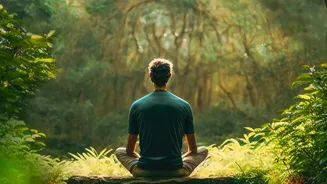
Ultimately, framing this as a competition misses the point. The most effective strategy for managing mental exhaustion often involves integrating both practices. They are not mutually exclusive; in fact, they can enhance one another. Practicing mindfulness while on a hike, for instance, combines the internal focus of meditation with the restorative environment of nature—an approach known as nature-based mindfulness or ecotherapy. Research suggests that mindfulness practices conducted outdoors may lead to even greater health benefits than those done indoors. You might use a daily 20-minute indoor yoga session to maintain a baseline of calm and manage daily stressors, while planning weekly treks or visits to a local park for a deeper, more immersive mental reset. This combination addresses the need for both consistent, accessible self-regulation and periodic, profound restoration.