



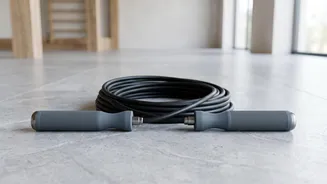


Running and rope skipping are two of the most accessible cardio exercises available. While both boost heart health, they train the crucial skills of balance and footwork in surprisingly different ways. But which one builds a better foundation?
The Runner's Foundation: Forward Stability
Running
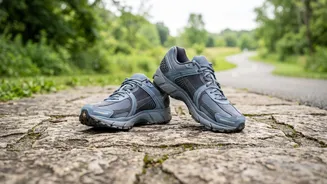
is fundamentally an act of controlled forward falling. Each stride is a single-leg stand, requiring your body to maintain stability while in motion. This develops a specific type of balance geared towards managing momentum. The core muscles, including your abdominals and obliques, work hard to prevent excessive side-to-side movement and keep your torso upright. Footwork in running is about rhythm and efficiency. The muscles in the feet and ankles are conditioned to absorb the impact of landing and then propel you into the next step. This repetitive motion strengthens the ligaments and tendons that support your arches and ankles over time, improving your overall stability on the move. The primary goal is to create a consistent, efficient gait cycle that conserves energy over long distances.
The Skipper's Edge: Reactive Agility
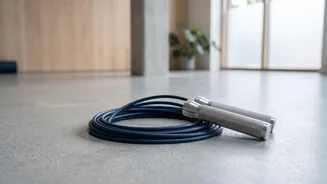
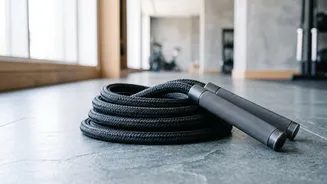
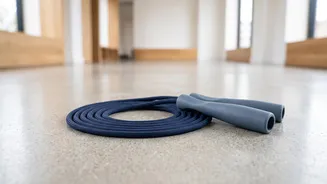
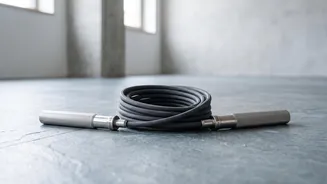
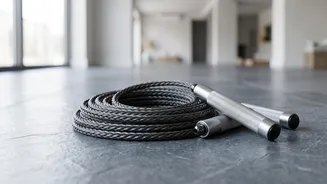
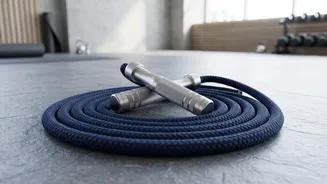
Rope skipping, a staple for boxers and fighters, trains footwork and balance from a different angle. Instead of linear momentum, it demands constant vertical control. The exercise forces you to stay on the balls of your feet, making tiny, rapid adjustments to maintain your center of gravity while reacting to the moving rope. This develops what is known as proprioception—your body's awareness of its position in space. The balance required is reactive and multi-dimensional. Jumping rope is a low-intensity plyometric exercise, training the muscles and tendons in your lower legs to be more elastic and responsive. This 'stretch-shortening cycle' builds explosive power in the calves and ankles, which is crucial for quick, agile footwork and rapid changes in direction.
Footwork: Rhythm vs. Rapid Response
The distinction in footwork is clear: running promotes a consistent rhythm, while rope skipping cultivates a rapid response. A runner’s footwork is about perfecting an efficient, repeatable stride to cover distance. The focus is on minimizing ground contact time and maintaining a steady cadence. Conversely, rope skipping teaches your feet to be quick, light, and adaptive. Since a mistimed jump immediately stops the exercise, it provides instant feedback, forcing your neuromuscular system to sharpen its coordination. This is why it’s so valued in sports that require fast pivots and shuffles, as it trains the feet to react, not just repeat.
Balance: Linear Control vs. Static Agility
In running, balance is about controlling your body as it moves forward through space. It's a dynamic skill that counters the forces of each single-leg landing. Your core and hip stabilizers are essential for this, preventing your trunk from rotating or collapsing on impact. Rope skipping challenges balance in a more stationary position. You must maintain perfect vertical alignment while performing repetitive jumps. This strengthens the small stabilizing muscles in your feet and ankles that are critical for fine-tuned balance control. Even simple variations like single-leg skips dramatically increase the demand for stability, improving your ability to stay upright and controlled.
A Complementary Partnership for Better Performance
Instead of viewing them as competitors, it's more effective to see running and rope skipping as partners. For runners, adding rope skipping to a warmup routine can significantly improve performance. Studies have shown that even a few minutes of skipping per week can improve running times, reactive strength, and footward stiffness, which helps in injury prevention. The quick, light footfalls practiced during skipping can help runners reduce ground contact time and improve their cadence. For those who primarily jump rope, the cardiovascular endurance built from running can support longer, more intense skipping sessions. Together, they create a more well rounded athlete who possesses both the endurance to go the distance and the agile footwork to navigate any challenge.