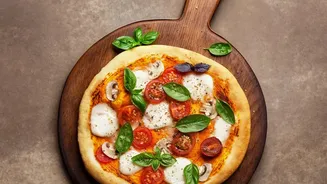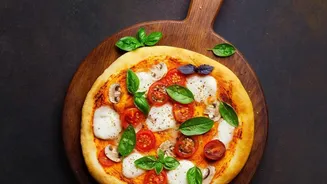


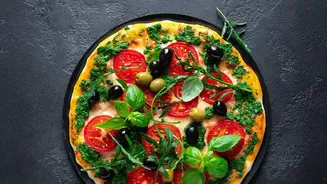
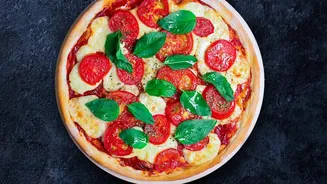
The Foundation: A Simple, Powerful Crust
The heart of any great pizza is its crust, and it's also your first opportunity to pack in protein. Forget complex, yeasted doughs that require hours of rising. Two-ingredient doughs are a game-changer for simple, high-protein bases. The most popular
version involves mixing self-rising flour with plain, non-fat Greek yogurt. The yogurt provides a significant protein boost and a pleasant tang, creating a soft, chewy crust that requires no rise time at all. If you don't have self-rising flour, you can easily make your own by adding baking powder and a pinch of salt to all-purpose flour. Another increasingly popular option is a cottage cheese crust. By blending cottage cheese until smooth and mixing it with flour, baking powder, and salt, you create a dough that is incredibly high in protein. Some recipes even combine blended cottage cheese with eggs and a small amount of flour for a grain-lower alternative. For those short on time, store-bought options like chickpea-based crusts or specific high-protein pizza bases can also provide a solid, convenient foundation.
Next-Level Sauce and Cheese
While the crust does the heavy lifting, your choices for sauce and cheese can further enhance the protein count and overall nutritional profile. Most store-bought tomato sauces are perfectly fine, but check the label for unnecessary added sugars. For the cheese, don't feel limited to standard mozzarella. While part-skim mozzarella is a great, relatively high-protein choice, you can get creative. Some home cooks add a layer of blended cottage cheese under the mozzarella to increase protein and creaminess. Greek yogurt can also be used as a swap for higher-fat ricotta. Parmesan cheese, though often used as a finisher, is one of the most protein-dense cheeses available, so a generous sprinkle adds both flavour and protein. By combining a few different types of cheese, you can create a more complex flavour profile while optimising for a higher protein content.
Toppings That Pack a Protein Punch
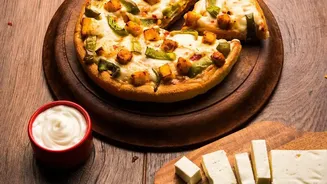
Toppings are where you can truly customise your pizza to meet your protein goals. Lean meats are an obvious and effective choice. Grilled chicken, particularly thigh meat which stays juicy in the oven, is a fantastic addition. Quality turkey pepperoni or Italian-style chicken or turkey sausage offer that classic pizza flavour with less fat than their pork-based counterparts. Even thinly sliced steak can work wonders. For non-meat options, the possibilities are surprisingly vast. A cracked egg on top of your pizza (a style known as a Fiorentina) adds a rich, runny yolk and a solid dose of protein. Cubes of paneer or crumbled tofu are also excellent carriers of flavour and protein. Don't overlook legumes and other plant-based sources; roasted chickpeas or edamame can add a delightful texture and a surprising amount of protein to your pie.
No Special Equipment Needed
One of the biggest myths about making great pizza at home is that you need a pizza stone or a special oven. While those tools are great, they are far from necessary. The key to a crispy crust in a conventional oven is high, direct heat. The simplest method is to use an inverted baking sheet. Preheating the baking sheet in the oven while you prepare your pizza allows it to act like a makeshift stone, transferring heat directly and quickly to the bottom of the crust. Alternatively, a cast-iron skillet is another excellent tool you likely already own. Simply press your dough into the skillet, add your toppings, and bake. It holds heat exceptionally well and will give you a fantastic, crispy crust. No matter your method, par-baking the crust for a few minutes before adding toppings can help ensure it doesn't become soggy, especially when using a yogurt or cottage cheese-based dough.