






The View From the Water vs. The Vibe on the Street
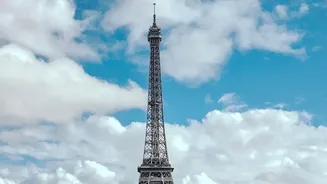
A boat cruise offers a grand, sweeping view of Paris's greatest hits: the Eiffel Tower, Notre Dame, the Louvre. You glide past these icons, taking in the postcard-perfect panorama. It is beautiful, passive, and predictable. But it is also a detached experience.
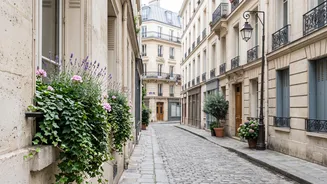
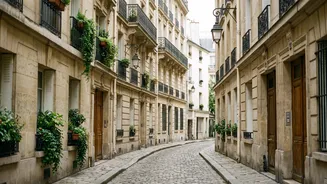
You are an observer, separated from the city by water and the hum of the engine. Walking, on the other hand, is an act of participation. It is an immersive, multi-sensory experience. You are not just seeing the city; you are in it. You smell the fresh baguettes from a boulangerie, hear the chatter spilling from a café terrace, and feel the cobblestones under your feet. You can pause, detour, and discover the hidden courtyards, quirky bookshops, and quiet moments of daily life that a boat can never show you.
The Canal Saint-Martin Stroll
For a different kind of waterside experience, skip the grand Seine and head to the Canal Saint-Martin in the 10th arrondissement. Commissioned by Napoleon in 1802, this picturesque canal offers a grittier, more local vibe. Instead of gliding past monumental landmarks, you walk alongside the water, watching as boats navigate the historic system of locks and swing bridges. The tree-lined quays are a favourite spot for Parisians to picnic, read, and socialise. The walk is dotted with independent boutiques, cool coffee shops, and the colourful Artazart design bookstore. It is a glimpse into a relaxed, creative, and effortlessly cool side of Parisian life that feels a world away from the tourist-heavy riverbanks.
The Green Escape of the Coulée Verte René-Dumont
Imagine a secret garden path suspended above the city streets. That is the Coulée Verte René-Dumont, also known as the Promenade Plantée. Inaugurated in 1993, it was the world's first elevated park, built on an abandoned 19th-century railway line and serving as the inspiration for New York's High Line. This nearly 5-kilometre green corridor stretches from near the Bastille, starting atop the Viaduc des Arts, where artisan workshops are tucked into the old arches below. Walking here offers a unique perspective, looking down into residential courtyards and across classic Parisian rooftops. It is a tranquil, leafy escape filled with lavender, rose bushes, and shady tunnels of trees, offering a peaceful journey through the 12th arrondissement far from any crowd.
Uncovering the Hidden Passages of the Grands Boulevards
For a walk that is both historic and sheltered from the elements, explore Paris's 'passages couverts' or covered passages. These 19th-century ancestors of the shopping mall are architectural marvels of glass, iron, and mosaic floors. Many are clustered around the Grands Boulevards area. Start with the Passage des Panoramas, the oldest in Paris, filled with philatelists and quirky eateries. Cross the street into the Passage Jouffroy, home to the Musée Grévin wax museum and charming old-fashioned toy shops. A short walk away is the magnificent Galerie Vivienne, an elegant 1823 arcade with designer boutiques and mosaic floors. These passages are not just shortcuts; they are time capsules, offering a glimpse into the glamorous world of 19th-century Parisian commerce and a quiet refuge from the modern city.
The Secret Alleys of Montmartre
Montmartre is more than just the Sacré-Cœur and the crowded Place du Tertre. To truly understand its village-like charm, you must wander its backstreets. Start away from the crowds, near the Lamarck-Caulaincourt metro, and explore Avenue Junot. Seek out the Villa Léandre, a quiet cul-de-sac with charming English-style houses that feel a world away from Paris. Meander toward the Musée de Montmartre to find the Renoir Gardens, a peaceful spot with views over a hidden vineyard. Discover the quiet Place Dalida, a square named for the famous singer, and the winding, ivy-covered lanes like Rue de l'Abreuvoir. This is the Montmartre of artists like Picasso and Renoir, a place of quiet inspiration found by getting deliberately, wonderfully lost.