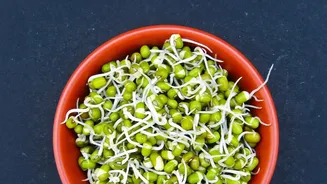




A bowl of sprouts chaat is a fantastic, protein-packed way to start your day. But a key debate surrounds the star ingredient: should you use sprouts raw or cooked? The answer is clear: lightly cooking them is a non-negotiable step.
The Number One Reason: Food Safety
The most compelling
reason to cook sprouts is to eliminate harmful bacteria. The warm, humid conditions needed to grow sprouts are also the perfect breeding ground for pathogens like E. coli and Salmonella. These bacteria can contaminate the seeds themselves and multiply during the sprouting process. While rinsing helps, it doesn't remove all the risk. Numerous foodborne illness outbreaks have been linked to raw or lightly cooked sprouts. Cooking them until they are steaming hot is the most effective way to kill any lurking bacteria, making your breakfast chaat significantly safer to eat. This is especially critical for children, pregnant women, older adults, and anyone with a weakened immune system, who are at a higher risk of serious complications from these infections.
Unlock More Nutrients and Better Digestion
While it's true that raw foods can be high in certain nutrients, cooking can actually make sprouts easier for your body to process. The sprouting process itself begins to break down complex carbohydrates and anti-nutrients like phytic acid, which can inhibit mineral absorption. Lightly cooking the sprouts takes this a step further. Heat helps to soften the plant's cell walls and further reduces these anti-nutrients, which can make minerals like iron and zinc more available for your body to absorb. Furthermore, some people find raw sprouts difficult to digest, leading to bloating and discomfort due to their high fibre content. Cooking makes them gentler on the stomach, improving overall digestibility without a significant loss of nutrients.
The Nutritional Trade-Off Is Minimal
A common concern is that cooking destroys the valuable vitamins in sprouts. While it is true that some heat-sensitive, water-soluble vitamins like Vitamin C and certain B vitamins can be reduced during cooking, the loss is often not as dramatic as you might think. Protein, fibre, and minerals largely remain stable. The key is the cooking method. Lightly steaming or briefly sautéing sprouts preserves most of their nutritional value, especially when compared to boiling and discarding the water. Considering the huge gain in safety and digestibility, this minor nutritional trade-off is well worth it. For a dish like chaat, where the sprouts are just one of many nutritious ingredients, the overall health benefit is firmly on the side of cooking.
Better Taste and Texture for Your Chaat
Beyond health and safety, cooking simply makes for a better chaat. Raw sprouts can have a slightly bitter, grassy flavour and a stringy texture that doesn't appeal to everyone. Lightly cooking them, either by steaming or a quick sauté, mellows their flavour and transforms the texture into something far more pleasant. They become tender yet retain a slight crunch, allowing them to blend beautifully with the other chaat components like potatoes, onions, chutneys, and sev. This textural improvement means the sprouts become a harmonious part of the dish rather than a raw, overpowering element. Most chaat recipes, in fact, call for boiled or steamed sprouts as the base.
How to Cook Sprouts for Chaat
Preparing sprouts for chaat is simple and quick. The goal is to cook them just enough to ensure safety and improve texture, not to turn them into a mushy paste. Steaming is an excellent method. Place your rinsed sprouts in a steamer basket over boiling water and steam for 5 to 7 minutes until they are slightly tender but still have a bite. Alternatively, you can boil them. Bring a pot of salted water to a boil, add the sprouts, and cook for about 5 minutes before draining them thoroughly. For a quicker method, a flash-sauté in a hot pan with a tiny bit of oil for a few minutes also works well. Once cooked, let them cool slightly before mixing them with your other chaat ingredients.