



Jolpan: The No-Cook Breakfast Ritual
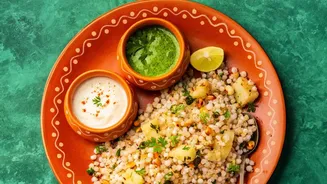
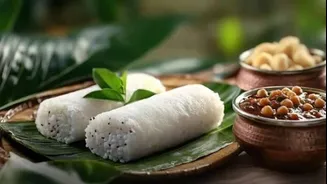
Jolpan is less a single dish and more a style of eating, a cornerstone of Assamese culinary identity. It typically involves various forms of rice that often require no cooking, making it an ancient form of meal prep. The most common components are 'chira'
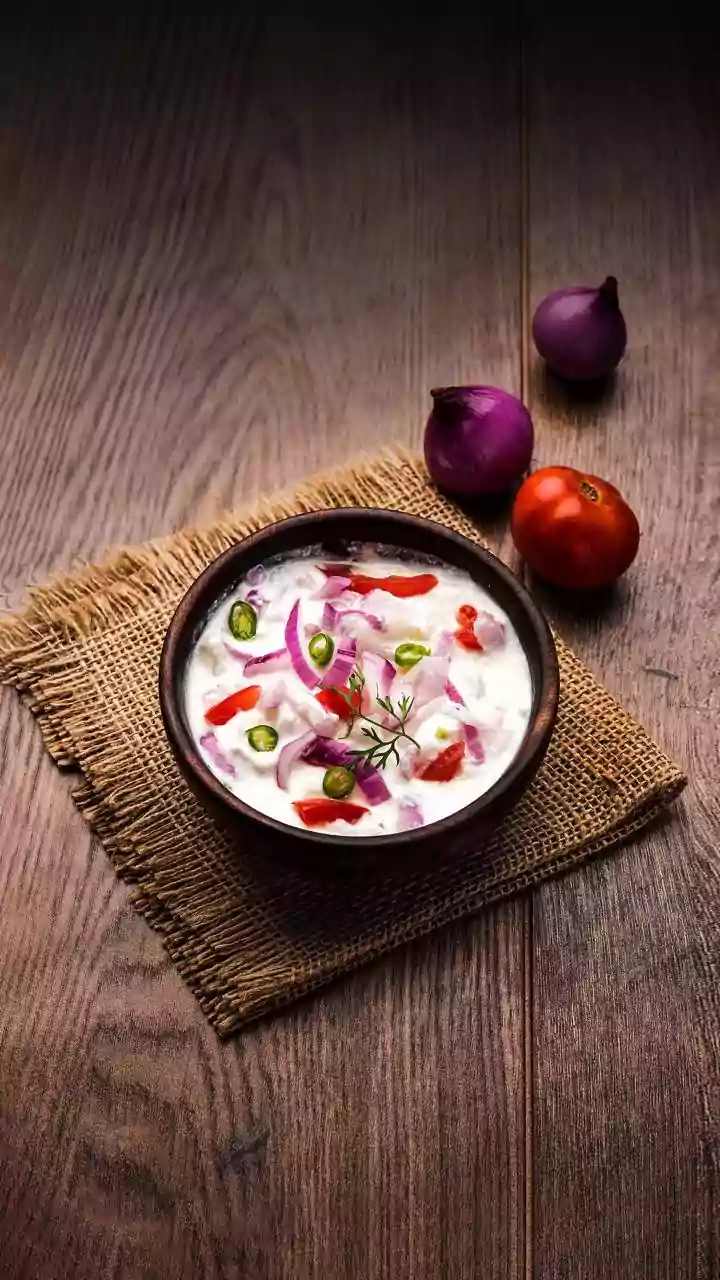
(flattened rice), 'muri' (puffed rice), and 'komal saul'—a magical variety of soft rice that becomes edible simply by soaking it in water for about fifteen minutes. These rice preparations are usually served with 'doi' (curd) and 'gur' (jaggery), creating a simple yet profound mix of textures and flavours that is both cooling and satisfying. This combination forms the quintessential Assamese breakfast, enjoyed not just in homes but also during festivals like Bihu.
Poita Bhat: The Farmer's Power Meal
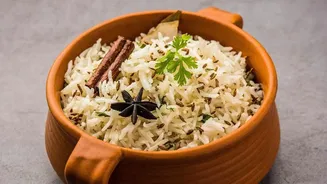
Poita Bhat, or fermented rice, is a humble yet vital breakfast, especially popular in rural areas. It is made by soaking leftover cooked rice in water overnight, allowing it to ferment mildly. This process not only prevents food waste but also transforms the rice, making it rich in Vitamin B12 and a natural coolant, perfect for farmers heading out for a long day in the fields. Traditionally, this dish is served with just a pinch of salt, mustard oil, chopped onions, and a green chilli. More elaborate versions might include 'aloo pitika' (mashed potatoes) or fried fish, but its soul lies in its simplicity and its ability to nourish and hydrate.
Pitha: More Than Just a Festival Snack
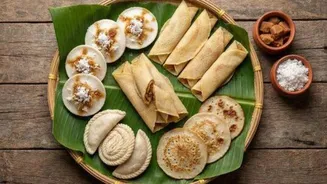
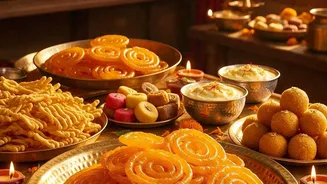
While pithas are famously associated with Bihu, many varieties are enjoyed as a hearty breakfast throughout the year. These rice cakes can be sweet or savoury, fried, steamed, or roasted. For a morning meal, 'Ghila Pitha' (a fried pancake of rice flour and jaggery) or 'Tekeli Pitha' (a steamed pitha made in a kettle) are popular choices. 'Til Pitha', a thin rice flour roll filled with roasted sesame seeds and jaggery, is another beloved option that pairs perfectly with a morning cup of tea. Making pithas often requires skill, especially the glutinous rice-based varieties like Bora Saul, but the result is a breakfast that feels like a celebration.
Aloo Pitika and Xaak: The Savoury Start
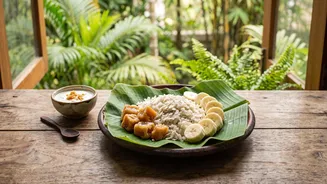
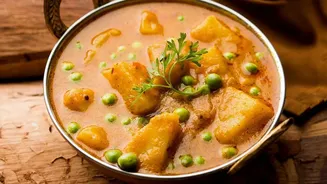
For those who prefer a savoury start, a simple meal of steamed rice with 'aloo pitika' is a go-to comfort food. Pitika is a signature Assamese preparation of mashed vegetables, and the potato version is the most common. The potatoes are boiled and mashed with raw mustard oil, onions, green chillies, and fresh coriander, creating a pungent and flavourful accompaniment to plain rice. Often, this is paired with a side of 'xaak' (leafy greens) that have been lightly stir-fried. It is a wholesome and grounding meal that reflects the region's agricultural abundance.
Komolar Kheer: A Sweet, Fragrant Beginning
Though often served as a dessert, Komolar Kheer, or orange kheer, sometimes finds its way onto the breakfast table for special occasions. This unique Assamese dish is a rice pudding made by thickening milk and then flavouring it with fresh orange pulp and zest. The key is to add the orange after the milk has cooled to prevent it from splitting. The result is a fragrant, creamy, and refreshing dish that beautifully balances the sweetness of the kheer with the bright, citrusy notes of the orange. It showcases the region's love for incorporating local fruits into traditional recipes.