





Oregano: The Heart of the Mediterranean
No herb is more synonymous with Greek and Italian cooking than oregano. With its earthy, peppery, and slightly bitter taste, it’s a cornerstone of the region's flavour profile. Dried oregano often has a more pungent flavour than fresh and is a key ingredient
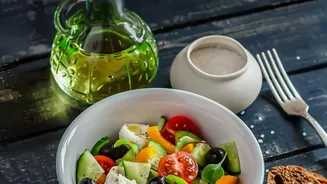
in tomato-based sauces, marinades for grilled meats, and the classic Greek salad dressing. Beyond its bold taste, oregano is packed with antioxidants and has antibacterial properties. A simple sprinkle over roasted vegetables or into a vinaigrette can instantly transport you to a sun-drenched hillside in Greece.
Basil: A Touch of Sweetness and Aroma
Basil offers a sweet, aromatic, and slightly peppery flavour that is essential to many Mediterranean dishes, especially in Italy. Unlike woody herbs, basil’s tender leaves are best added at the end of cooking or used fresh to preserve their vibrant taste. It’s the star of classic pesto, a perfect partner for tomatoes in a Caprese salad, and a refreshing addition to pastas and pizzas. Basil is also noted for its anti-inflammatory effects and is an excellent source of vitamin A. For a simple, flavourful boost, tear fresh basil leaves and scatter them over a finished dish just before serving.
Rosemary: Robust and Pine-Like
With its distinct, pine-like fragrance and robust flavour, rosemary is a powerhouse herb that pairs beautifully with roasted and grilled meats like lamb, poultry, and pork. Its woody stems and needle-like leaves hold up well to long cooking times, making it ideal for stews and infusing olive oils. You can even toss whole sprigs with potatoes and other vegetables before roasting to impart a deep, savoury aroma. Rosemary is also recognized for its cognitive and digestive benefits, adding a healthy element to its flavourful punch.
Thyme: Earthy and Versatile
Thyme is a versatile herb with a subtle, earthy, and slightly minty flavour that complements other seasonings without overpowering them. This quality makes it a foundational ingredient in many soups, stews, and braises across the Mediterranean. It pairs well with everything from fish and chicken to hearty roasted vegetables. Thyme also possesses antimicrobial properties and has long been used to support the respiratory system. Its ability to blend seamlessly into dishes makes it an indispensable tool for building complex, layered flavours.
Mint and Dill: The Fresher Side of Flavour
Mint and dill bring a bright, refreshing coolness to Mediterranean cuisine. Mint is a staple in Middle Eastern and Greek dishes, adding a fresh counterpoint to grilled meats, salads, and yogurt-based sauces like tzatziki. Dill, with its light, grassy taste, is a natural partner for fish, potatoes, and cucumbers. It’s frequently used in Greek savory pies (pites) and egg-lemon sauces (avgolemono). Both herbs are best when added toward the end of cooking or used fresh to retain their delicate aromas.
Cumin and Paprika: Warm and Earthy Spices
Beyond fresh herbs, ground spices like cumin and paprika add warmth and depth. Cumin offers a distinct warm, earthy flavour and is essential in many North African and Middle Eastern spice blends, stews, and dishes like hummus and falafel. Paprika, made from ground peppers, provides a sweet and smoky flavour and a beautiful vibrant colour to dishes like Spanish paella. These spices are key to creating the complex, savoury notes that define many regional specialties without adding salt or fat.