



A Peak Far Below the Norm
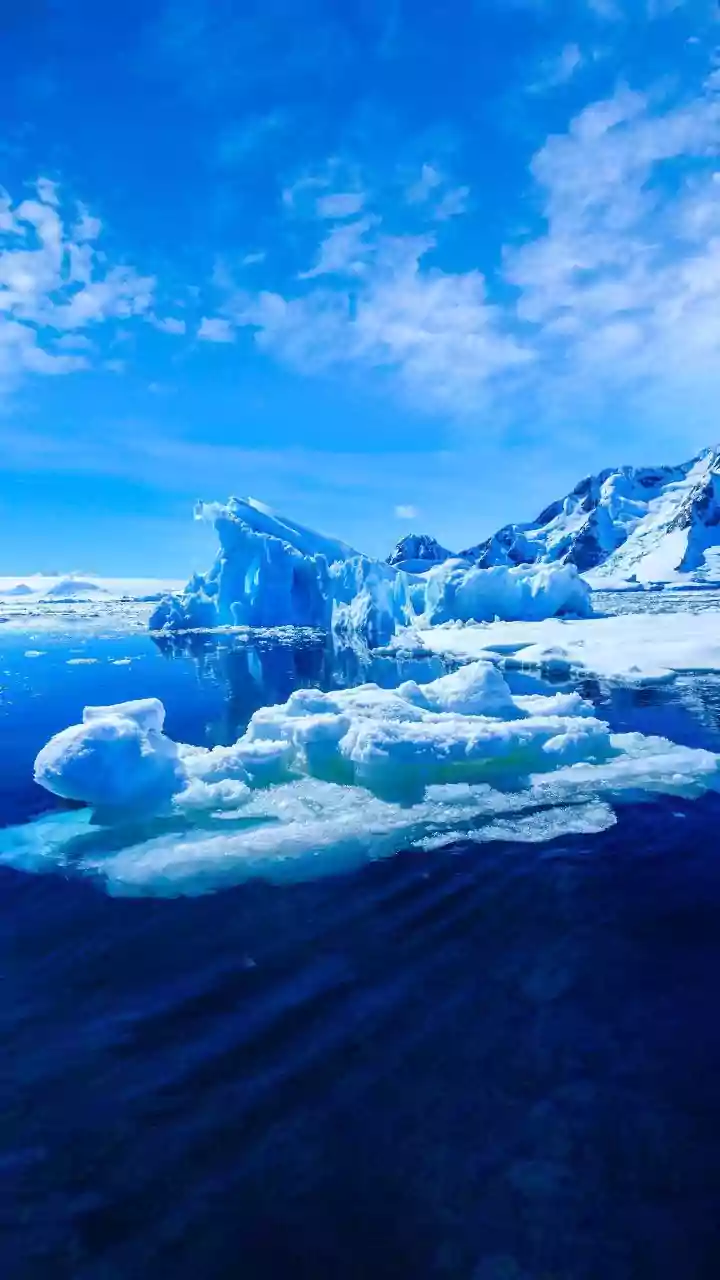
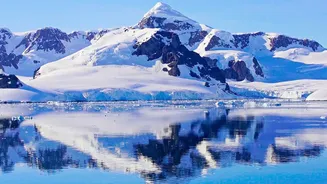
Scientists at the National Snow and Ice Data Center (NSIDC) have confirmed that Antarctica's sea ice reached its maximum winter extent for the year on September 14. The frozen ocean waters around the continent peaked at 17.59 million square kilometres.
While this number is immense, it is troublingly low when compared to historical data. This peak is approximately 1.12 million square kilometres below the 1981–2010 average maximum—an area of missing ice roughly equivalent to the size of South Africa. This makes 2026 the third-lowest sea ice maximum in the nearly 48-year satellite record. This isn't an isolated incident; it continues a disturbing pattern, with the four lowest winter maximums all occurring in the last four years.
Why Is This Happening?
The recent decline in Antarctic sea ice is a complex issue that scientists are actively investigating. Unlike the Arctic, where the decline has been a steady, decades-long trend driven primarily by atmospheric warming, Antarctica's sea ice has shown more variability. However, a new and concerning state seems to be emerging. Researchers point to a combination of factors, including warmer ocean temperatures. Deeper, warmer ocean water, which was previously trapped by a layer of less salty surface water, is now being pulled upwards by stronger winds. This upwelling of heat melts the ice from below. Changes in atmospheric circulation, potentially linked to the El Niño climate pattern, have also contributed to ice loss in specific regions like the Amundsen Sea. Essentially, after years of appearing somewhat resilient to global warming, the system may have flipped, creating a feedback loop where warmer conditions prevent the ice from fully recovering.
Global Consequences of a Distant Event
The state of Antarctica's sea ice has profound implications for the entire planet. While the melting of floating sea ice does not directly raise sea levels, its absence has significant indirect effects. Sea ice acts like a massive, bright shield, reflecting the sun's energy back into space. When it vanishes, the darker ocean water below is exposed, absorbing more heat. This absorbed heat further warms the ocean, creating a vicious cycle that makes it harder for ice to form. More critically, a diminished sea ice cover leaves coastal ice shelves vulnerable. These massive shelves of ice, attached to the landmass, act as a brake, slowing the flow of glaciers from the land into the ocean. When these shelves are weakened by warmer ocean water and buffeting waves, the glaciers behind them can accelerate, contributing significantly to global sea-level rise.
A New, Unsettling Reality
For decades, Antarctic sea ice trends were a puzzle, even showing periods of growth while the Arctic was in a clear decline. That era of stability appears to be over. The consistent below-average conditions of the past several years suggest a fundamental shift has occurred. Scientists are now concerned that this is not a one-off event or a short-term fluctuation, but a new normal for the Antarctic. This continued loss of sea ice is a stark indicator of the changes afoot in the Southern Ocean, a region that plays a crucial role in regulating global ocean currents and climate patterns. The loss affects more than just the ice itself; it has catastrophic consequences for wildlife, such as Emperor penguins, which depend on stable sea ice for breeding. The recent events underscore the interconnectedness of our planet's climate systems and serve as another clear warning sign from its most remote region.