

What is 'Market-Style' Cooking?
While not a formal culinary term, 'market-style' cooking evokes the spirit of food stalls found in markets across the world. The philosophy is simple: use high heat and incredibly fresh ingredients, allowing their natural flavours to take centre stage.
The method described in the headline focuses on one key aspect of this style — cooking without relying on large amounts of oil. Instead of using oil as the primary medium to heat food, this technique harnesses the power of direct heat transfer from the pan to the ingredients, resulting in a cleaner, more direct taste experience. It's about letting a mushroom taste intensely of mushroom, not of the oil it was cooked in. One recipe for 'Mala Spicy Crayfish' refers to its process as a "true night-market style method," focusing on fragrance, timing, and producing juicy meat.
The Science of Heat, Not Oil
In most conventional cooking, oil does two jobs: it prevents sticking and it acts as a heat transfer agent, efficiently moving heat from the pan to the food. The market-style method challenges this norm by focusing on a different kind of heat transfer: conduction. This is the direct transfer of thermal energy from the hot surface of a pan to the food touching it. To make it work, you need a properly heated pan. When a hot pan makes contact with food, the moisture at the surface instantly turns to a thin layer of steam, which can help prevent sticking. For well-marbled cuts of meat like a ribeye steak, its own fat will render out, creating a natural cooking medium and eliminating the need for added oil. For vegetables, a small splash of water or broth can be used to 'deglaze' the pan and create steam if things start to stick.
The Benefits: More Flavour, Better Health
The most immediate benefit of skipping the oil is a reduction in calories and fat. A single tablespoon of oil contains around 120 calories, so removing it can significantly lower the caloric content of a meal, which is beneficial for weight management. Cooking without oil can also be easier on the digestive system and may reduce issues like acid reflux. But the advantages aren't just about health; they're also about flavour. When you remove oil, you remove a dominant flavour filter. Suddenly, the subtle sweetness of a caramelized onion or the earthy depth of a seared mushroom becomes more pronounced. This method also helps retain more of the valuable vitamins and minerals in food that can be lost with other cooking techniques.
Getting the Right Tools and Technique
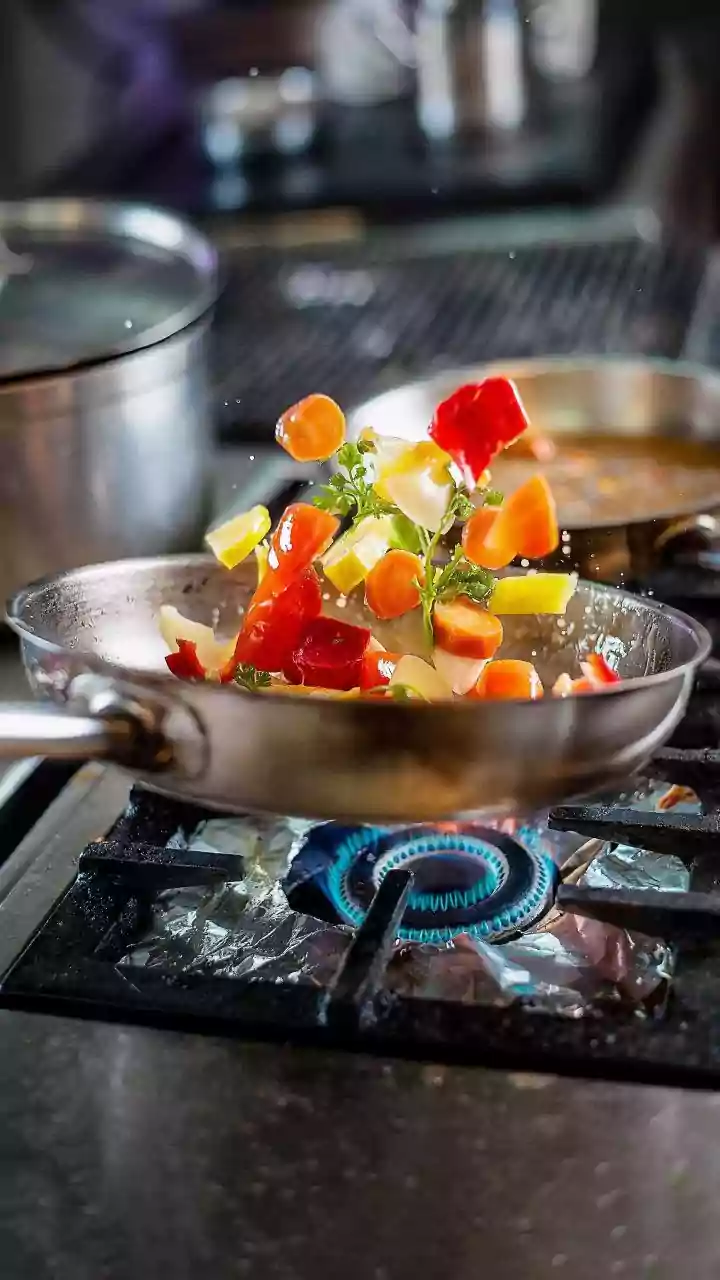
Success with oil-free cooking starts with the right pan. High-quality nonstick cookware, particularly ceramic-coated pans, is an excellent choice as its surface is designed to prevent food from adhering. Cast iron and stainless steel pans are also fantastic options. With stainless steel, the key is to preheat the pan properly; when it's hot enough, the metal's pores close, creating a naturally stick-resistant surface. For any pan, start by preheating it over medium heat before adding any food. Don't overcrowd the pan, as this lowers the temperature and causes food to steam rather than sear. Let ingredients develop a nice crust before trying to move them. If you're sautéing vegetables like onions, a few tablespoons of vegetable broth or water can be used instead of oil to keep things moving and prevent sticking.
Best Foods for the Heat-Transfer Method
This technique works wonderfully with a wide range of ingredients. Vegetables with high water content, such as mushrooms, bell peppers, and onions, are particularly well-suited as they release their own liquid while cooking. Lean proteins like chicken breast and fish fillets can be cooked beautifully, developing a golden crust while staying moist inside. For red meat, this method is ideal for well-marbled cuts. A thick-cut ribeye, for instance, contains enough internal fat to lubricate the pan as it renders, creating a perfect sear without any added oil. You can even use this method for roasting vegetables in the oven; instead of tossing them in oil, simply place them on a nonstick baking sheet or parchment paper and let the dry, high heat of the oven work its magic.