



It’s a traveller's classic moment of panic: you’ve deplaned, cleared the jet bridge, and suddenly realize you’ve left something behind. But a forgotten bag isn't just an inconvenience; it triggers a significant staff response for serious reasons.
More Than Just Lost and Found
When
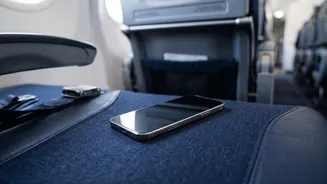
a passenger leaves an item on an aircraft, it’s not simply a matter for the lost and found office. The moment cabin crew or cleaners discover an unattended bag, a specific set of protocols kicks into gear. While their first instinct might be to find the owner, their primary responsibility shifts to safety and security. Passengers are not allowed to re-board the aircraft to retrieve items themselves for this very reason. Once you have exited the secure area of the jet bridge, the plane once again becomes a restricted zone. The discovery of any unattended item, from a backpack to a small electronics case, is immediately reported.
The Unattended Bag as a Security Risk
In the world of aviation, an unattended bag is considered a potential security risk until it is proven otherwise. This isn't an overreaction; it's a fundamental principle of airport security. Staff have no way of knowing the contents of the bag or the intention of the person who left it. As a result, airport security staff or even police may be called to handle the situation. International aviation regulations are strict about ensuring no unaccompanied bags are loaded onto a plane without specific screening. While a bag left behind by a disembarking passenger is a slightly different scenario, the core principle remains: any bag not with its owner is a question mark that must be resolved, which can cause significant delays and even terminal closures in serious cases.
A Race Against the Clock
Beyond the security concerns, a forgotten bag is a major logistical headache for an airline. Aircraft operate on incredibly tight schedules, with ground crews working quickly to clean, refuel, and prepare the plane for its next flight, often within an hour. An abandoned item disrupts this entire workflow. Locating the item, assessing it for any threat, and then moving it to a secure location takes time and diverts staff from their primary duties of ensuring the aircraft is ready for its next departure. Every minute spent dealing with a lost bag is a minute the plane could be delayed, creating a ripple effect that can impact subsequent flights and passengers throughout the day.
The Chain of Custody
Once an item is found by cabin crew or cleaners, it is handed over to the airline's ground staff. It won't simply be left at the gate. The item is catalogued and then transported to the airline’s designated lost and found office or a centralized airport facility. Many airlines outsource this process to third party companies. This formal chain of custody ensures the item is tracked and secured. If it contains identification, the airline may attempt to contact you. However, the sheer volume of lost property means this isn't always possible immediately. At major US airports, the TSA alone deals with tens of thousands of items left at security checkpoints every month.
What You Should Do Immediately
If you realize you’ve left something behind while still near the gate, inform the gate agents immediately. They may be able to contact the crew on board before they also disembark. If you’ve already left the airport, your first step should be to contact the airline directly. Most carriers have a specific online form for reporting lost items. Be as detailed as possible in your description: include your flight number, seat number, and unique features of the item like brand, colour, or serial numbers. The more specific your description, the higher the chance of a successful and speedy reunion with your belongings.