






The Invisible Highways in the Sky
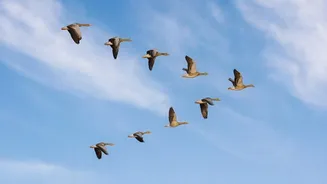
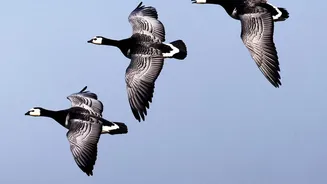
Imagine a superhighway system spanning the entire globe, used by millions of travellers on journeys stretching thousands of kilometres. These are not made of asphalt but are ancient, invisible corridors in the sky called flyways. Birds use these routes
to travel between their breeding grounds and wintering habitats. A flyway is more than just a path; it's a network of crucial stopover sites—wetlands, forests, and coastlines—where birds rest and refuel. The health of these sites is a matter of life and death. For India, this is especially significant as the country lies at the heart of the vast Central Asian Flyway (CAF), a critical route for birds travelling from the cold Arctic to the warmer Indian subcontinent.
A Sobering Global Assessment
The first-ever 'State of the World’s Migratory Species' report, released by the UN Convention on the Conservation of Migratory Species (CMS), provides a stark warning. It found that nearly half (44%) of all listed migratory species are experiencing population declines. More than one in five are threatened with extinction. Birds, which make up the vast majority of listed species, are in serious trouble. An interim update to the report showed the situation is worsening, with 49% of protected migratory species now showing declining populations. The two greatest threats identified across the board are overexploitation and habitat loss from human activity, a deadly combination for these long-distance travellers.
A Perilous Journey
For a migratory bird, the journey is fraught with danger. The primary threat is the relentless loss and degradation of their habitat. Urbanisation, the expansion of agriculture, and the draining of wetlands are erasing the vital stopover sites birds have relied on for millennia. Climate change adds another layer of jeopardy. Shifting seasons can create a mismatch between a bird's arrival and the availability of food sources, like insects. Unpredictable weather, from droughts to heavy rains, can destroy nests and disrupt breeding cycles, while rising sea levels threaten coastal habitats essential for shorebirds. This web of threats means that protecting birds in one location is not enough; the entire flyway must be safeguarded.
India's Critical Role in the Central Asian Flyway
India's position makes it a linchpin for global conservation. The Central Asian Flyway covers 30 countries and is a migratory route for over 600 bird species, including threatened ones like the black-necked crane. Many of these birds winter in India's wetlands, grasslands, and coastal areas. Recognizing this responsibility, India has launched a National Action Plan for the conservation of migratory birds along the CAF. In a landmark move at the CMS conference in February 2024, an initiative to protect the entire CAF was formally established, with a coordinating unit to be hosted by the Government of India. This places India at the forefront of a monumental effort to foster the international cooperation necessary to protect these shared species.
A Roadmap for Collective Action
The UN report is not just a diagnosis but also a call to action. It stresses the need for stronger international collaboration, as birds know no borders. Key recommendations include identifying and protecting important sites for migratory species and tackling threats like pollution and overexploitation. A staggering 51% of key biodiversity areas identified for these animals lack protected status, highlighting a clear and urgent gap in conservation efforts. For countries along the flyways, this means working together to manage habitats, reduce human-wildlife conflict, and align national policies with conservation goals. In India, this involves safeguarding not just famous national parks but also the countless smaller wetlands, mudflats, and community ponds that serve as lifelines for tired and hungry birds.