





Beyond the Basics of the Med Diet
When people think of the Mediterranean diet, they often picture meals rich in fresh fish, vegetables, and a generous pour of extra virgin olive oil. While these components are indeed important, this view overlooks the most crucial element: biodiversity.
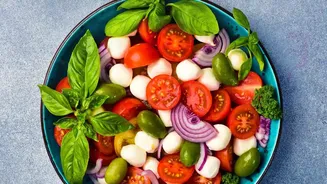
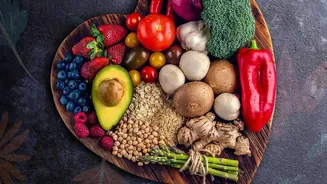
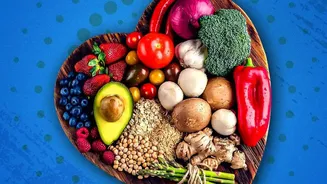
The traditional eating habits of regions in Greece and Southern Italy didn't just include plants; they included a vast and rotating assortment of them. This included dozens of types of vegetables, fruits, legumes, nuts, seeds, whole grains, and a wide array of fresh herbs and spices that change with the seasons. It’s this sheer diversity, not just the quantity of plants, that provides many of the diet's celebrated health benefits, from reducing the risk of chronic diseases to promoting longevity.
A Symphony of Plant Compounds
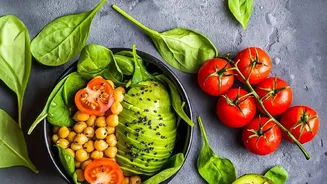
The advice to "eat the rainbow" is more than just a catchy phrase; it's sound science. Different colored plants contain different phytonutrients—powerful compounds that protect plants from threats and offer health benefits to us when we eat them. Red foods like tomatoes contain lycopene, which is linked to heart health. Orange foods like carrots are rich in beta-carotene for immune and vision support. Greens like spinach and broccoli contain compounds that can inhibit carcinogens, while blue and purple foods like blueberries and eggplant have antioxidants called anthocyanins that may delay cellular aging. No single plant can provide all these benefits. By eating a wide variety, you consume a complex mix of these compounds, which work together to reduce inflammation, support your immune system, and protect your body's cells.
Fueling a Healthy Gut Microbiome
One of the most significant ways plant diversity impacts health is by nourishing your gut microbiome—the trillions of microbes living in your digestive tract. A diverse microbiome is increasingly linked to better immunity, digestion, and even brain health. Different plants feed different types of beneficial gut bacteria. Research has shown that people who follow a Mediterranean-style diet have a more diverse and stable gut microbiome compared to those on a typical Western diet. Studies suggest aiming for around 30 different plant types per week can significantly boost microbial diversity. This variety promotes the growth of bacteria that produce short-chain fatty acids, which help reduce inflammation and strengthen the gut barrier.
How to Cultivate Variety in Your Diet
Incorporating more plant diversity might seem daunting, but it’s easier than you think. Start by making small, intentional changes. Challenge yourself to try one new vegetable or fruit each week. When you shop, consciously select a mix of colors for your produce basket. Think beyond just vegetables; fruits, nuts, seeds, whole grains, beans, herbs, and spices all count. A handful of almonds, a sprinkle of chia seeds, fresh parsley on your pasta, or a side of lentils all contribute to your weekly total. Visit a local farmer's market to discover seasonal produce you might not find in a supermarket. Even simple swaps, like choosing mixed greens instead of iceberg lettuce or adding a variety of beans to a chili, can make a significant difference over time. The goal is progress, not perfection.