





A Fleet in Transformation
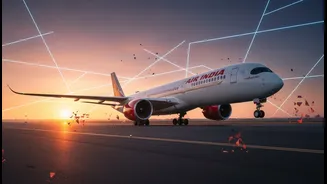
Air India Group is slated to receive between 50 and 60 new aircraft over the next 18 months, a significant step in its massive fleet renewal program. This influx is part of a much larger order book of nearly 600 planes, a cornerstone of the airline's
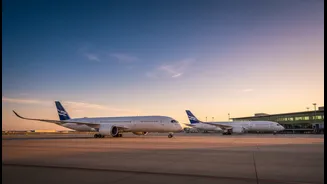
strategy since its acquisition by Tata Group in January 2022. The upcoming deliveries will be a mix of wide-body jets, crucial for expanding international routes, and narrow-body aircraft, which form the backbone of domestic and short-haul travel. According to senior executives, the pace of deliveries is set to increase significantly from the end of 2026, with a steady stream of new planes arriving each year for the next seven to eight years. This includes a combination of roughly 10-15 wide-bodies and 45-50 narrow-bodies annually, featuring modern models like the Boeing 737 MAX, Airbus A320neo, and the flagship Airbus A350.
The Vihaan.AI Masterplan
These deliveries are not just about adding new planes; they are a core component of Vihaan.AI, the airline's comprehensive five-year transformation plan. The name, derived from Sanskrit, signifies the dawn of a new era. The plan is structured in phases, moving from tackling legacy issues to building platforms for growth and excellence. Vihaan.AI aims to dramatically grow Air India's network and fleet, revamp the customer experience, improve on-time performance, and establish a path to sustained profitability. Key goals include capturing at least 30% of the domestic market and significantly expanding its international footprint. The massive aircraft order, coupled with a $400 million commitment to refurbish existing planes and a $200 million investment in IT, forms the foundation of this strategy.
Beyond New Planes: Enhancing Passenger Experience
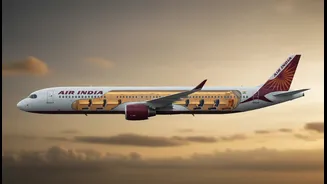
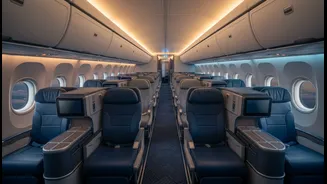
For passengers, the most tangible change will be in the cabin. For years, Air India contended with an aging fleet and inconsistent interiors. The new aircraft, along with a massive retrofitting project for existing wide-body planes, are set to change that. By the end of 2026, over half of the airline's long-haul fleet is expected to feature new or upgraded interiors. This includes the newly inducted Airbus A350-900s, which have already received positive feedback, and the progressive refurbishment of Boeing 777 and 787 aircraft. The goal is to create a consistent, modern, and comfortable experience with features like better seating, in-flight entertainment, and onboard Wi-Fi, bringing the airline in line with top global competitors.
Navigating a Challenging Airspace
While the transformation is on track, it has not been without turbulence. Air India executives acknowledge that the journey has been hit by unforeseen 'black swan events,' including global supply chain disruptions that have delayed aircraft deliveries and retrofits for airlines worldwide. Geopolitical issues and oil price volatility have also added pressure. Some reports in mid-2026 even suggested that mounting losses might lead the Tata Group to temper the aggressive growth strategy in favour of cost-cutting and stabilizing operations, though the airline maintains its commitment to the long-term plan. This highlights the complex reality of executing such a large-scale turnaround in a capital-intensive and unpredictable industry. Despite these headwinds, the leadership remains optimistic that while it might take longer than initially forecasted, the ultimate goal of building a world-class airline is achievable.