








A Partnership on Paper
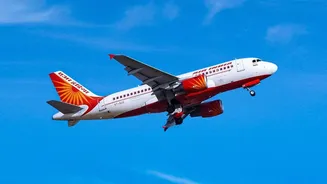
The agreement is a formal understanding between the Tata-owned airline and the state of Himachal Pradesh. The primary goal is to make the scenic state more accessible and attractive to travellers by leveraging Air India's vast domestic and international
network. Both parties will collaborate on creating joint tourism packages and promotional campaigns to showcase Himachal's rich culture and breathtaking landscapes to a wider audience. Think of it as a strategic alliance to put one of India's most beautiful regions on the global travel map, using the wings of the national carrier.
The 'Non-Binding' Clause Explained
The key terms in the headline are "non-binding" and "no financial commitment." In the business world, a Memorandum of Understanding (MoU) like this is essentially a formal handshake. It’s a document that signals serious intent to collaborate without creating a legally enforceable contract. It allows both Air India and the Himachal government to align their goals and explore a partnership without getting bogged down in complex legal and financial negotiations at the outset. It’s a low-risk, high-flexibility way to test the waters.
Strategy Over Hard Cash
So why sign a deal without money attached? The value isn't in immediate financial transactions but in strategic alignment. For Air India, this pact is part of its larger transformation strategy. Since being acquired by the Tata Group, the airline has been on a mission to re-establish itself as a premium, world-class carrier. By promoting unique Indian destinations like Himachal, it enhances its own brand and gives travellers more reasons to fly Air India. It’s a move that builds brand equity and supports the national tourism agenda. It signals that the new Air India is a proactive partner in India's growth story.
What's In It for Himachal Pradesh?
For the Himachal Pradesh government, the benefits are clear. The state gets to tap into Air India’s marketing muscle and extensive flight network to reach potential tourists across India and the globe. A formal association with a resurgent and globally recognized airline lends credibility and visibility to its tourism efforts. This kind of public-private partnership is a cornerstone of modern tourism strategy, allowing the government to achieve its objectives—boosting the local economy, creating jobs, and developing infrastructure—by collaborating with a major corporate player. It's about leveraging private sector efficiency for public good.
A Foundation for the Future
This non-binding MoU should be seen as a foundational first step, not the final word. It establishes a framework and opens lines of communication. As both parties start working together on promotional activities and developing travel packages, they can identify what works. Successful pilot projects could easily lead to more concrete, financially-backed agreements in the future. This approach allows the partnership to evolve organically, based on measurable results and mutual trust. It’s a pragmatic way to build a large-scale collaboration from the ground up, ensuring that any future financial commitments are based on proven success.