


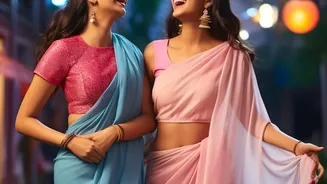
A New Wave of Collaboration
For centuries, handloom has been the backbone of India's textile heritage, a symbol of self-reliance and cultural identity. Today, the narrative is shifting from mere preservation to dynamic innovation. A fresh push in design-led partnerships is connecting
master weavers in rural clusters with contemporary designers, brands, and even international markets. These are not just token efforts; they represent a fundamental rethinking of how handloom is designed, marketed, and sold. Events like the National Handloom Designers' Conclave 2026 are bringing stakeholders together to focus on market-oriented product development, pushing the sector towards a more aspirational future. The goal is to make handloom a premium lifestyle choice, relevant to modern consumers both in India and globally.
From Cluster to Catwalk
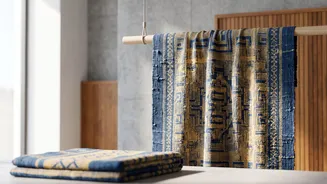
Recent initiatives showcase the power of this new synergy. In one notable example, the Ibu Atelier incubator, backed by Bank of America, is connecting women-led artisan enterprises directly with global luxury markets. Groups specialising in crafts like Kalamkari, Himroo weaving, and Kantha embroidery are being paired with acclaimed designers to co-create capsule collections. This model moves beyond philanthropy, focusing on market access and sustainable enterprise. Similarly, brands like 11.11 / eleven eleven are championing a 'seed-to-stitch' philosophy, working with over 150 artisan communities to create entirely traceable, plant-based clothing. These collaborations ensure that the fabrics—whether it's indigenous cotton from Kutch or Mizo puan weaves—become the heroes of contemporary, wearable fashion.
More Than Just Thread
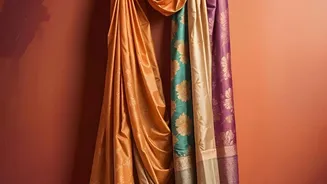
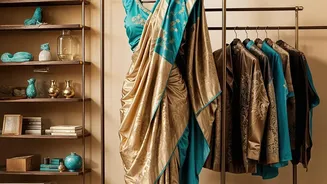
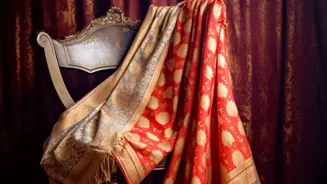
The impact of these partnerships extends far beyond the loom. Economically, they provide vital livelihoods for over 3.5 million weavers and allied workers, a majority of whom are women in rural areas. By creating high-value products, these collaborations help ensure artisans receive fair wages, fostering economic empowerment and reducing migration to urban centres. Culturally, they act as a bridge, preserving centuries-old techniques and motifs by making them relevant to a new generation. Brands like Ekaya Banaras are working with over 10,000 weavers to give traditional Banarasi silks a modern twist, proving the fabric can be both timeless and fashion-forward.
The Conscious Consumer's Choice
This renewed attention on handloom aligns perfectly with a global shift towards sustainable and ethical consumption. Handloom production has an inherently low carbon footprint, using minimal electricity and relying on natural, biodegradable fibres. Unlike mass-produced textiles, which are often linked to pollution and waste, handloom promotes a slower, more mindful approach to fashion. As consumers increasingly demand transparency and authenticity, the story behind a handwoven garment—the skill of the maker, the use of natural dyes, and the cultural heritage embedded in the cloth—becomes a significant part of its value. Choosing handloom is not just a style statement; it's a vote for a more sustainable and equitable fashion ecosystem.